

Tooth Sensitivity Treatment in Gajularamaram
- 14+Years of experience
- 50,000+Patients treated
- 4.9Google rating
- 20–40 minutes
- usually one visit, then a review
- Mon – Sun: 9:30 AM – 9:00 PM
What Is Tooth Sensitivity?
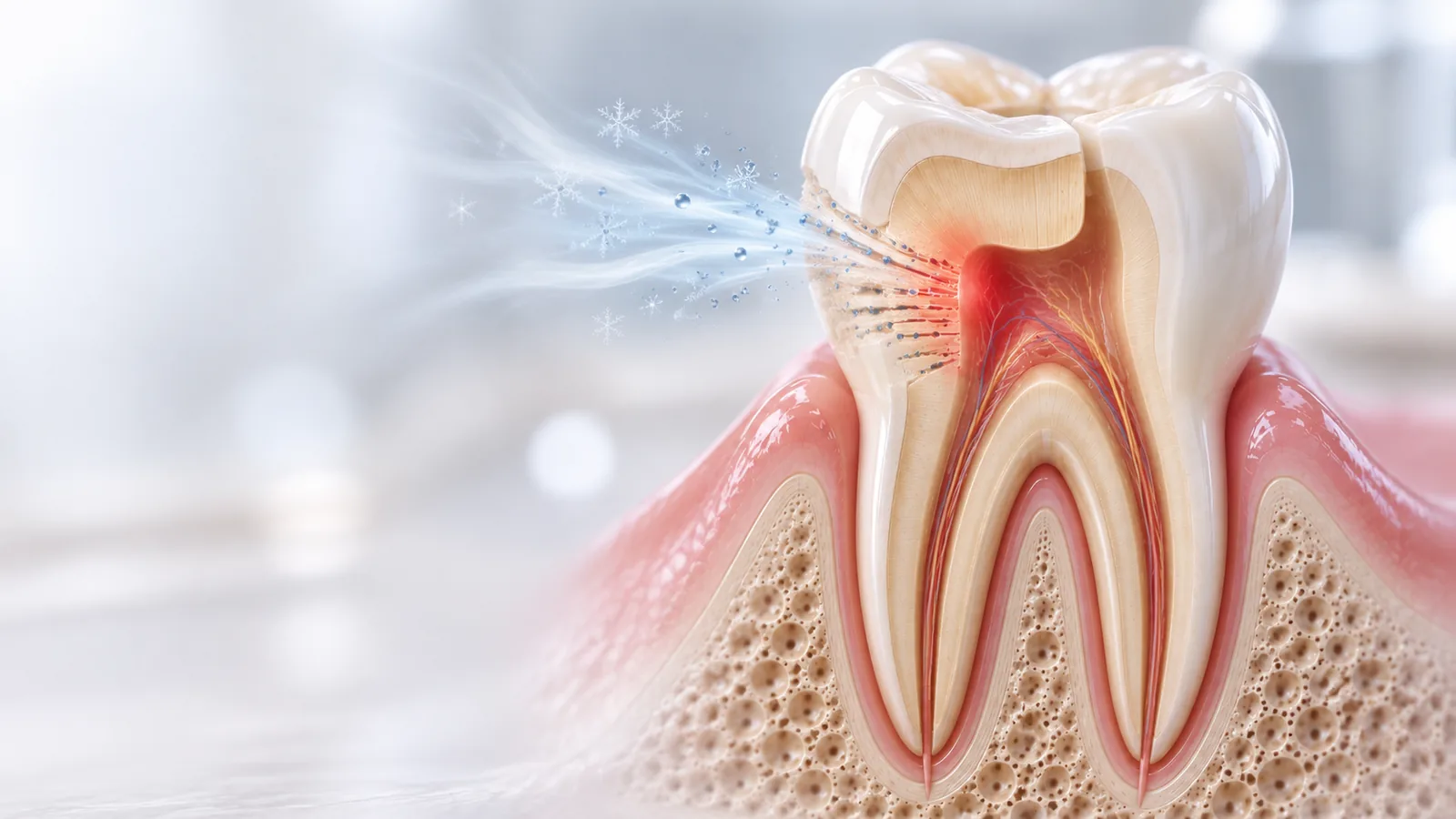
Tooth sensitivity is the short, sharp pain that arrives with cold water, a sweet bite or a breath of cold air, and is gone almost as quickly as it came. Under the enamel sits dentine, a softer layer threaded with thousands of microscopic tubules running towards the nerve. While enamel above and gum below keep that layer covered, you feel nothing. Once something uncovers it, whatever the tooth meets is felt at the nerve.
What uncovers it is rarely dramatic. Gums recede a little with age or with gum disease; enamel thins from acidic drinks, night-time grinding or years of brushing too hard; an old filling ages and begins to leak at its edge. Treatment works on both halves of that — covering the exposed dentine so the trigger cannot reach it, and dealing with whatever exposed it in the first place.
Sensitivity is worth taking seriously because it is often the early version of something else. A cracked tooth, decay reaching the dentine and a failing filling all announce themselves this way first. Pain that is short and sharp is simple to treat; the same tooth left for months, aching on its own, usually is not.
Two Ways Sensitivity Is Treated
Sealing the Exposed Surface
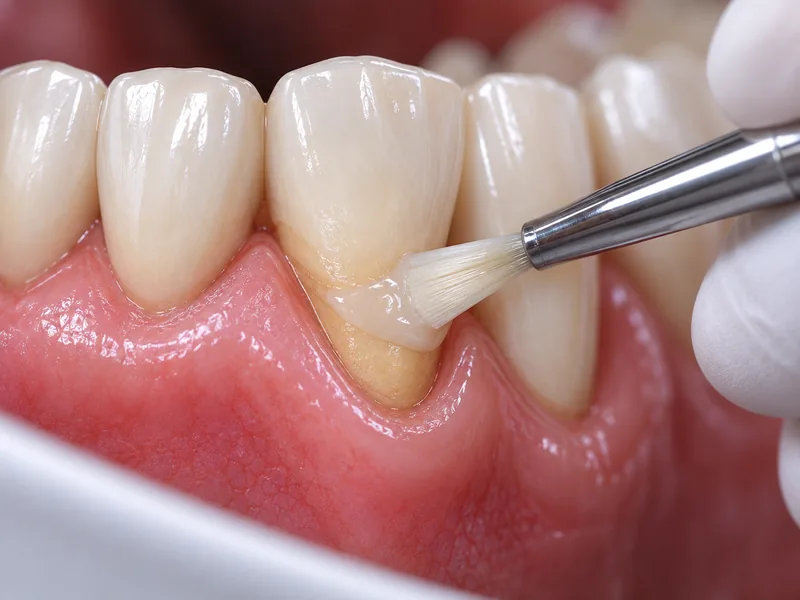
The direct route. The exposed dentine is cleaned and then covered — with a desensitising varnish, a bonding agent, or tooth-coloured material where the neck of the tooth has worn into a notch. The open tubules are blocked, so cold and sweet no longer reach the nerve.
Treating What Caused It
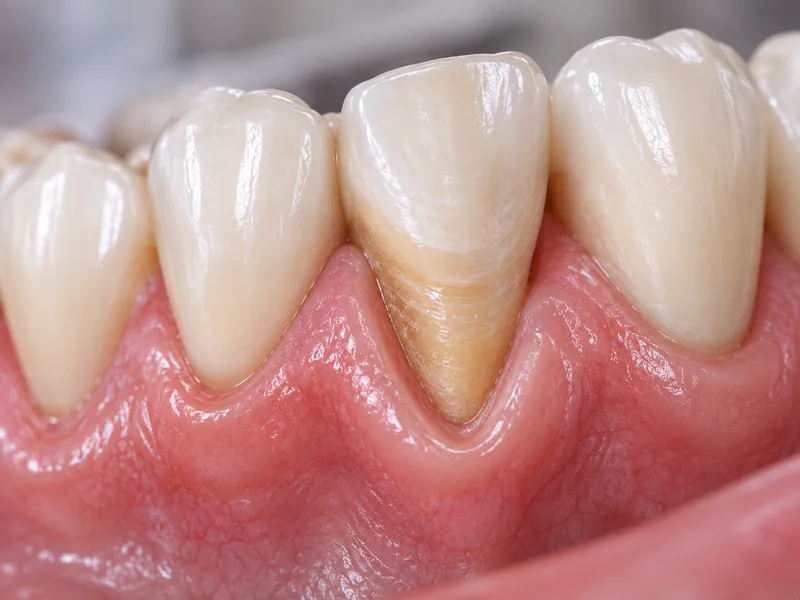
Sensitivity is a symptom rather than a diagnosis. Where a receding gum, a leaking filling, decay or night-time grinding is behind it, sealing alone will not hold. Treating that cause as well is what stops the sensitivity returning a few months later.
Who Needs Sensitivity Treatment?
Sensitivity is dentine reacting to something that has reached it. These are the everyday signs — any one of them is worth an examination before whatever is exposing the surface gets worse.
- Cold drinks and iceA jolt when cold water, ice or a chilled drink touches one tooth or a whole side.
- Sweet or sour foodSugar, citrus or anything sour setting off a sharp ache in the same place.
- A breath of cold airCold air catching the teeth on a bike, or first thing on a winter morning.
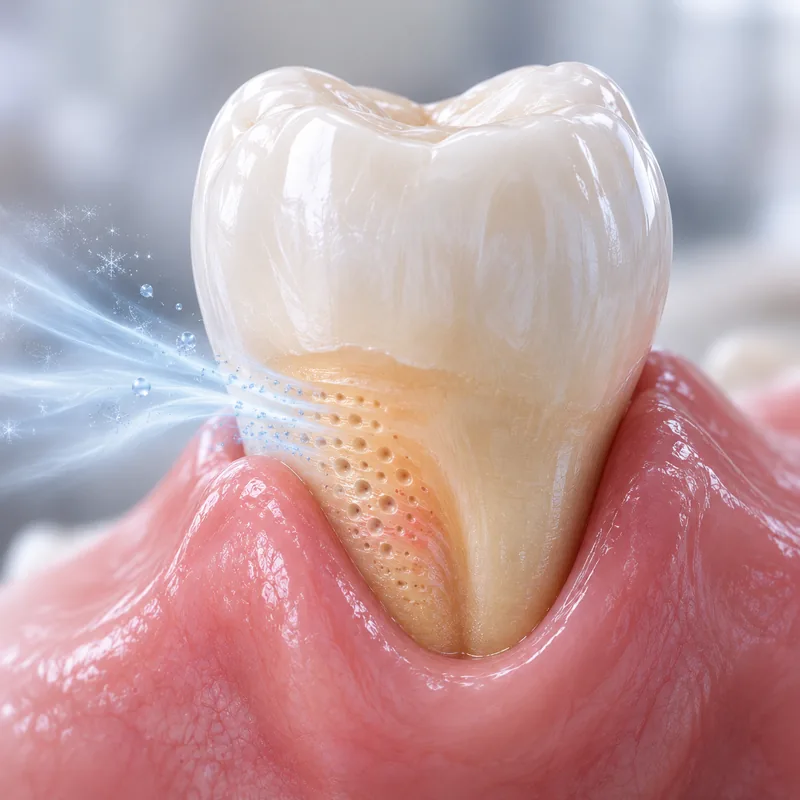
- Brushing one spotA wince every time the brush passes over one particular tooth near the gum.
- Gums that have pulled backThe gum sitting lower than it used to, with the softer root surface showing.
- Sharp, then gonePain that spikes for a second or two and settles, rather than throbbing on.
Options
Types of Sensitivity Treatment
Which one you need depends on what has exposed the dentine, how much of the tooth is affected, and whether something else has to be treated first.
 1
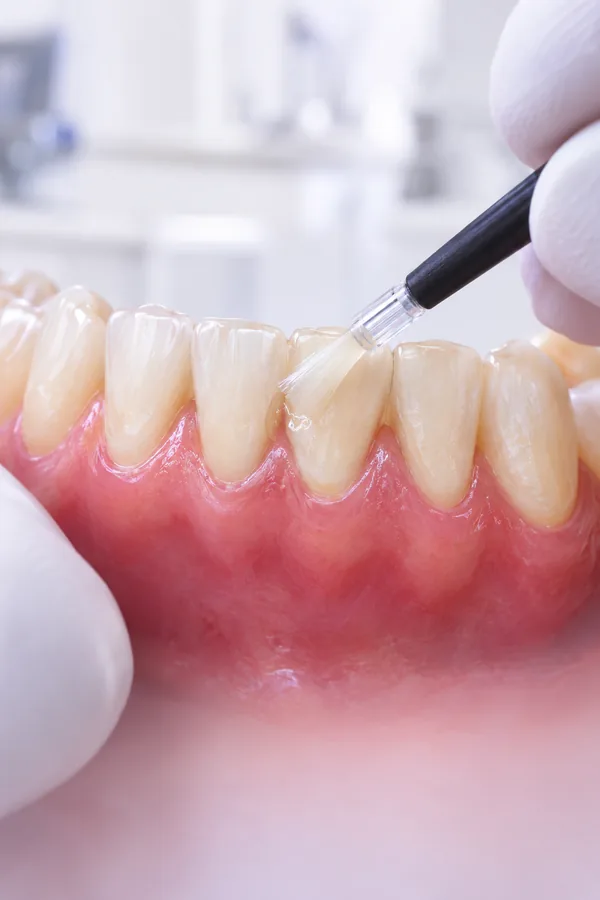
1In-clinic desensitiser
A fluoride varnish or desensitising agent is applied straight onto the affected teeth. It takes minutes, and is usually repeated once at the review visit.
 2
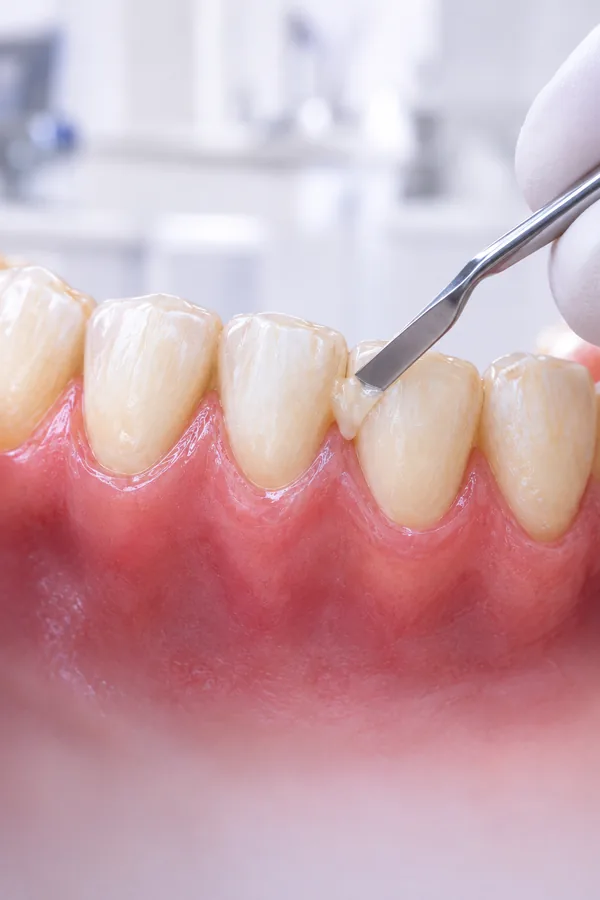
2Sealing the neck of the tooth
Where the enamel at the gum line has worn into a notch, tooth-coloured material is bonded over it, covering the exposed dentine for good.
 3
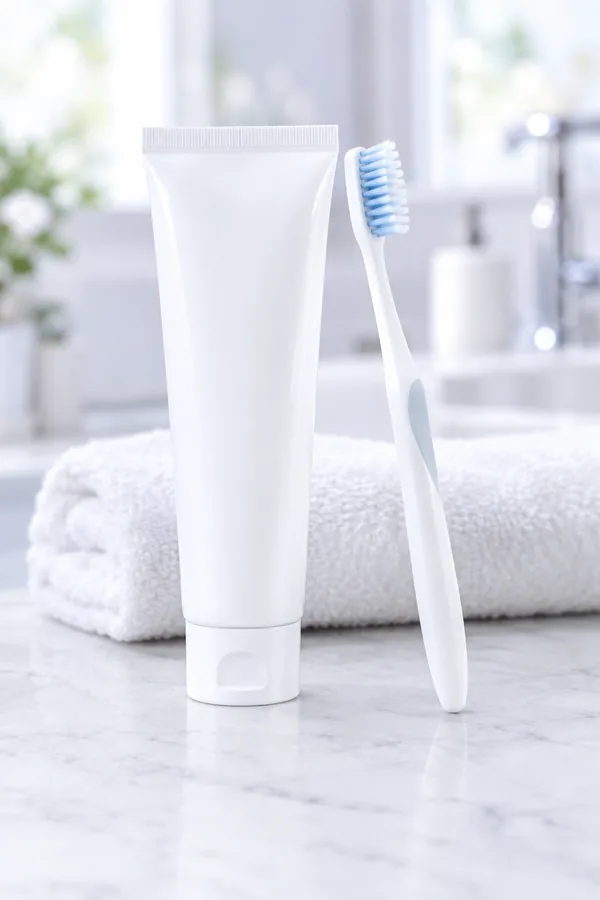
3Fluoride and home care
A prescription-strength toothpaste or gel used at home for several weeks, alongside a brushing technique that stops the surface wearing further.
 4
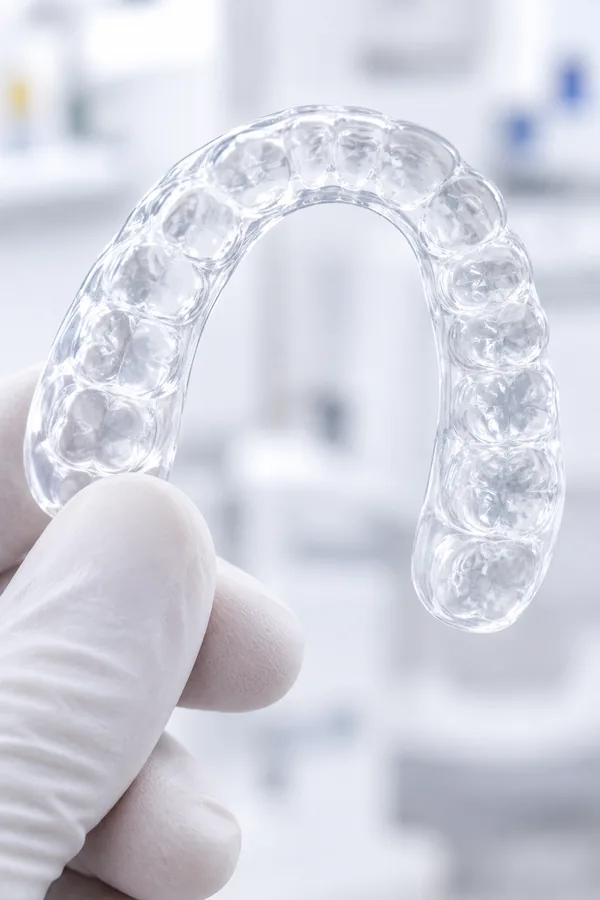
4Treating the underlying cause
Gum treatment where the gum has receded, a replacement for a leaking filling, or a night guard where grinding is wearing the enamel down.
How Does Sensitivity Treatment Work?
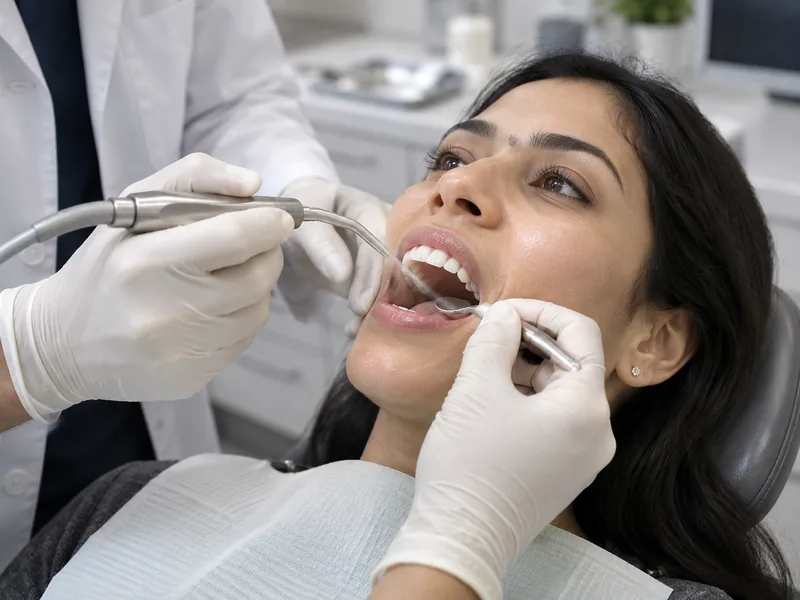
Testing which teeth react, and why
The dentist works out which teeth respond and what sets them off, usually with cold, air and gentle pressure on each one in turn. An X-ray rules out decay, a crack or infection, which would need treating differently. The point of this stage is to separate true sensitivity, which is short and sharp, from pulp pain, which lingers.
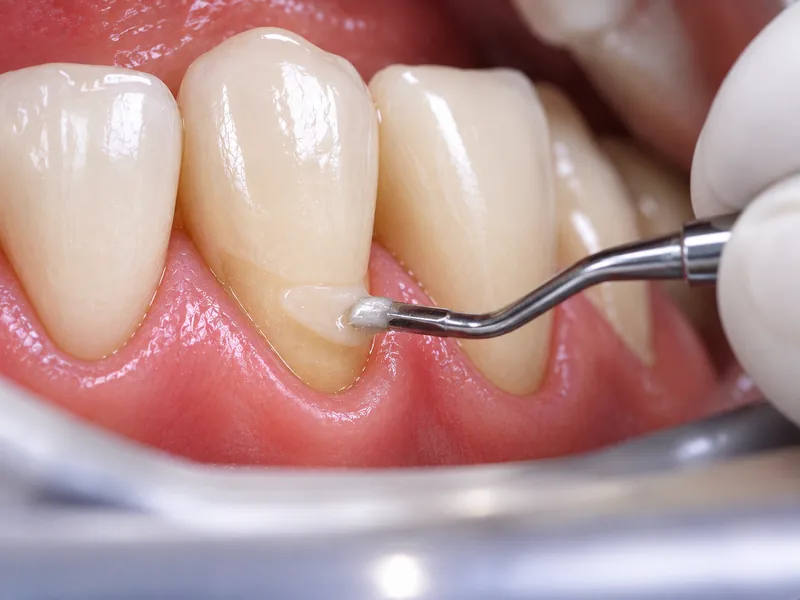
Covering the dentine and keeping it covered
The affected surfaces are cleaned and a desensitising agent or varnish is applied; where a tooth has worn into a notch at the gum line, that is filled and bonded instead. You then leave with a home routine — the right toothpaste, a softer brush, a change to how you brush — because sealing the surface only holds if whatever wore it away stops.
Recovery
What to Expect After Sensitivity Treatment
Nothing here needs recovery time — the work is on the surface of the tooth. These are the four things that decide whether it holds.
- 1
Relief builds over days
An in-clinic desensitiser often helps the same day, with the full effect arriving over the following week rather than at once.
- 2
Use the toothpaste as told
Twice a day, and not rinsed away afterwards — leaving it on the teeth is what makes it work. Stopping early is the usual reason it returns.
- 3
Change how you brush
A soft brush and light pressure. Hard brushing is what wore the surface away, and it will wear through the repair as well.
- 4
When to call us
Sensitivity that worsens, that lingers for minutes after a cold drink, or that wakes you at night. That is no longer sensitivity.
Which is better
Desensitising Toothpaste vs Treatment at the Clinic
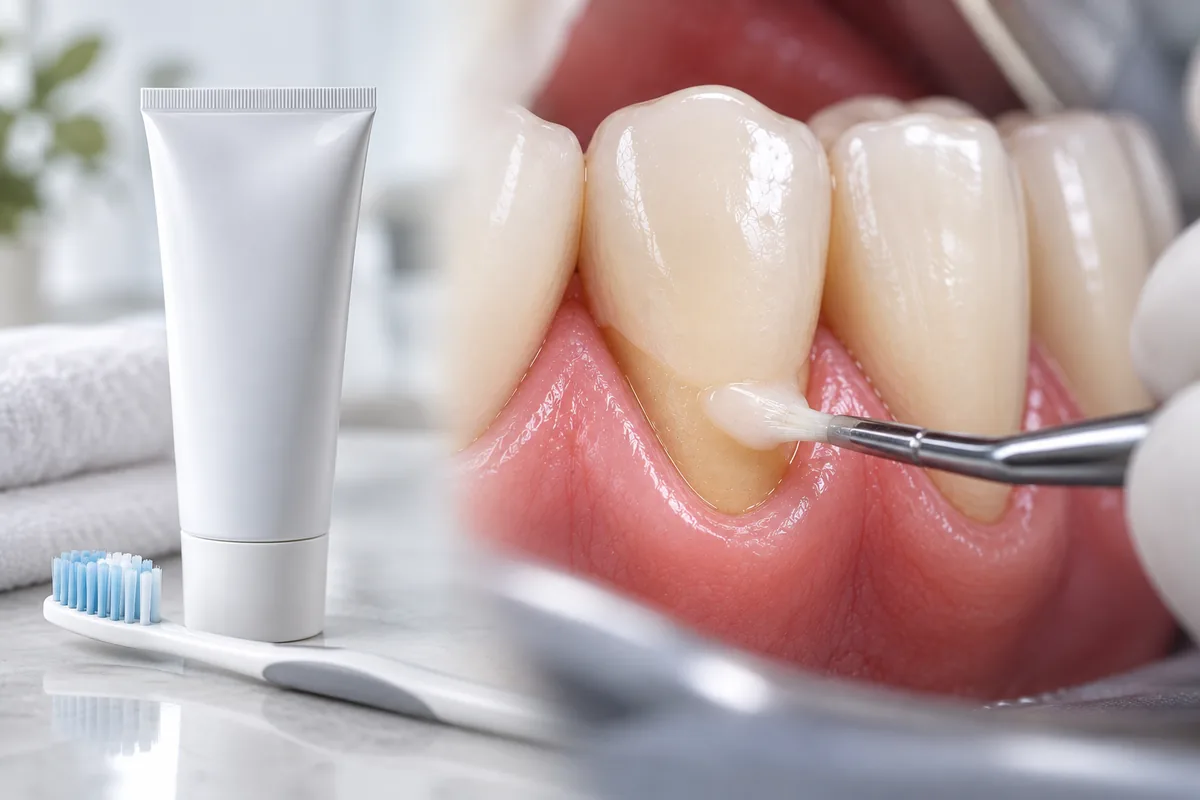
Desensitising toothpaste works, and it is the right first thing to try. Used twice a day it blocks the open tubules gradually, and mild sensitivity often settles within two to four weeks.
What it cannot do is find the reason. If a gum has receded, a filling is leaking, a tooth is cracked or grinding is wearing the enamel through, the toothpaste quietens the signal while the cause carries on underneath. Sensitivity that returns every time you stop the toothpaste is the sign that something is driving it.
Treatment at the clinic seals the exposed surface in a single visit and, more usefully, identifies what exposed it. In practice the answer is usually both: the cause treated here, the toothpaste continued at home.
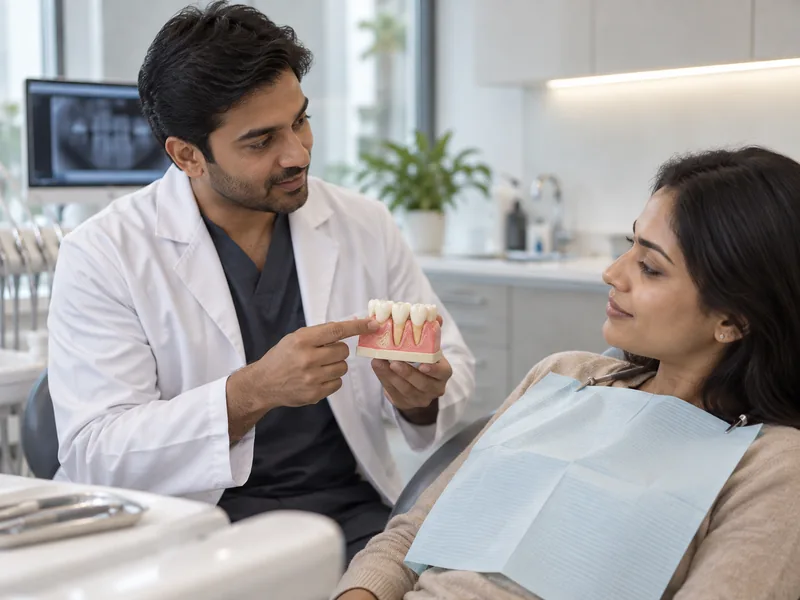
What Happens at Your First Consultation
- 1ExaminationThe dentist checks each tooth, the gum line and the bite, and tests which teeth react.
- 2X-rayA small X-ray rules out decay, a crack or an infection sitting behind the sensitivity.
- 3DiagnosisYou are told what has exposed the dentine, and whether anything else needs treating.
- 4PlanWhat is done today, what you do at home, and when the teeth are reviewed.
- 5AftercareThe toothpaste, brush and technique to use, and what to avoid while it settles.
Why us
Why Choose Us for Sensitivity Treatment
- The cause is found first, with an endodontist and a periodontist on our team for sensitivity that comes from the nerve or the gums.
- An honest answer on whether a toothpaste, a protective coating or treatment is what you need.
- Instruments sterilised and sealed for every patient, under a strict protocol.
- Open every day, 9:30 AM to 9 PM, at two branches in Gajularamaram: Ushodaya Colony and Mallareddy Nagar.
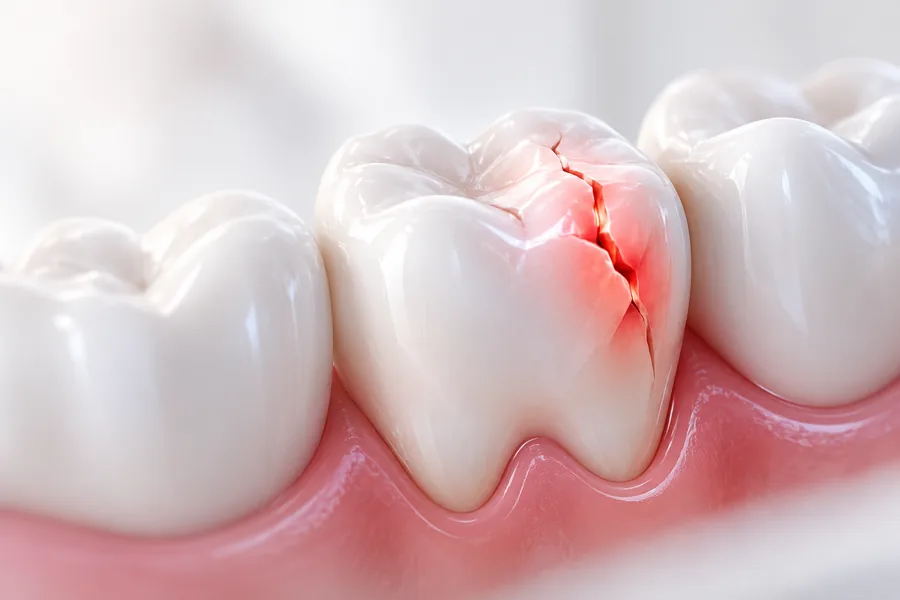
Tooth Pain & Repair
Relief from toothache and repair for decayed, cracked or broken teeth, from fillings and root canals to crowns.
- Root Canal Treatment
- Tooth Sensitivity Treatment
- Cavity Treatment
- Tooth Fillings
- Dental Crowns & Caps
- Wisdom Tooth Removal
- Emergency Dental Care
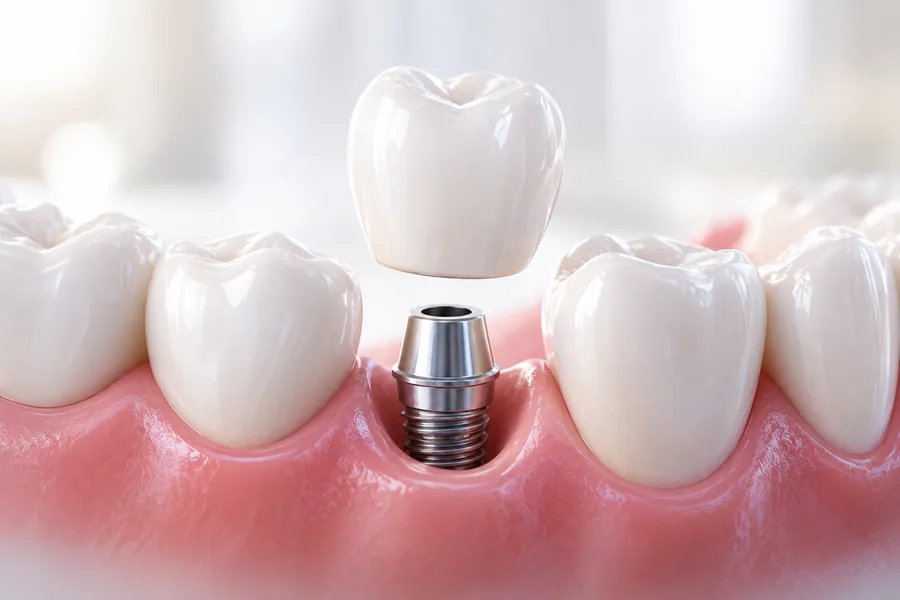 learn more
Missing Teeth
Implants, bridges and dentures to replace missing teeth, planned by our implantologist and prosthodontist.
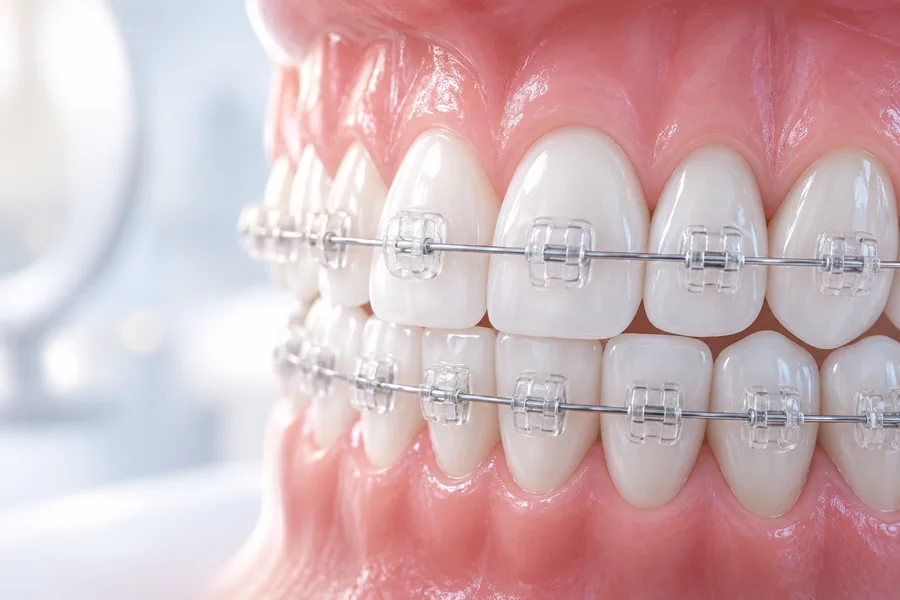 learn more
Straightening
Braces and Illusion clear aligners for crooked or gapped teeth, planned by our orthodontist for children and adults.
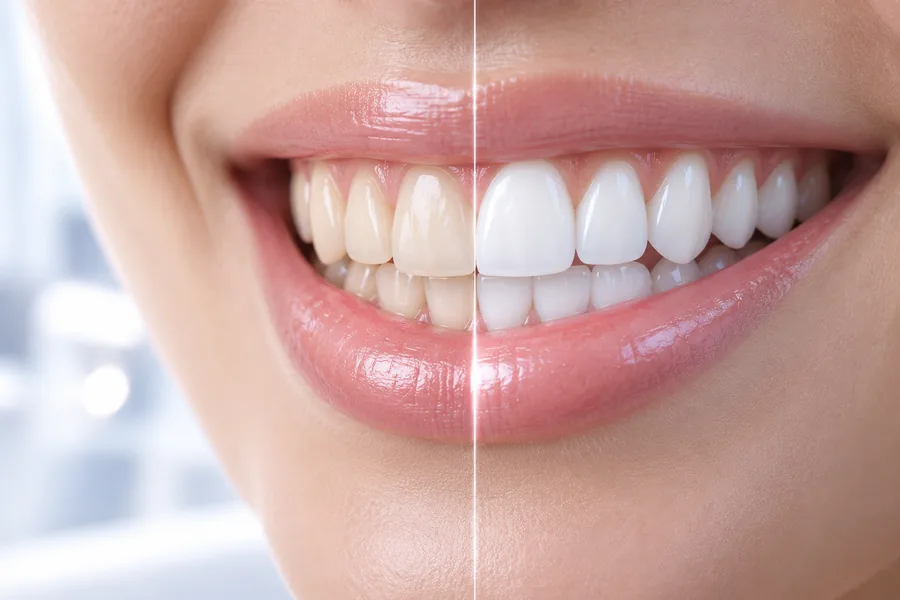 learn more
Cosmetic
Whitening, veneers, bonding and smile makeovers to improve the colour and shape of your smile, led by our cosmetic dentist.
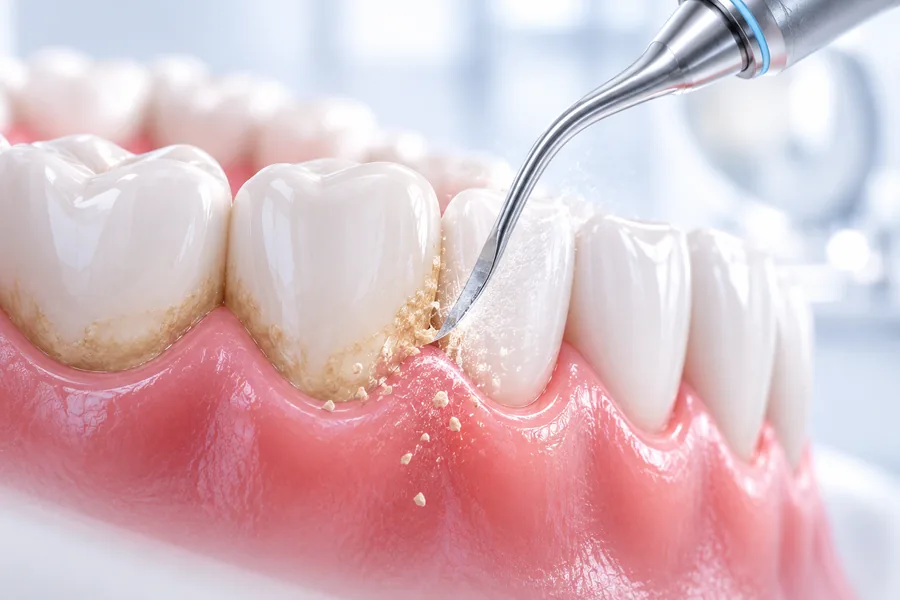 learn more
Gums & Cleaning
Cleaning, gum treatment and laser care for bleeding gums and bad breath, from our periodontist.
 learn more
Kids & Family
Gentle check-ups, fluoride and sealants for children with our pedodontist, and routine check-ups for the whole family.






Verified Google Reviews
Excellent
Based on 238 reviews
Harsha Vardhini
2026 · Google
I highly recommend Dr. Roja! She is incredibly kind, patient, and caring. I’ve had a root canal and multiple fillings done by her, and every procedure was completely painless. She explains everything clearly, makes you feel comfortable, and ensures you’re at ease throughout the treatment. Her gentle approach and professionalism make every visit a great experience. If you’re looking for a skilled dentist who truly cares about her patients, Dr. Roja is an excellent choice!
akk reddy
2026 · Google
I had a great experience with Dr. Roja madam. She is a very good doctor and extremely patient-friendly. I was suffering from a tooth cavity, and she suggested a root canal treatment. After starting the treatment, my tooth pain completely disappeared. The cap fitting was also very comfortable and flexible. Overall, I am very satisfied with the treatment and care provided. Thank you so much
Mamidisetti Siva
2026 · Google
I had a very good experience at this dental clinic. The treatment was excellent, and the staff were very friendly and supportive. Even after the treatment, they took great care by calling me, checking on my recovery, and asking me to come for follow-up visits. I really appreciate their concern and professionalism. Highly recommended.
BHARATH GUNDEBOINA
2026 · Google
Had a great experience with teeth replacement treatment. Dr. Roja mom explained everything clearly and the procedure was smooth and painless. The results look very natural and I’m extremely happy with my new smile. Highly recommended..thank you….
venkannababuk venki
2026 · Google
Madam provides very good dental treatment. She explains everything clearly and patiently whenever I have any doubts. I am very satisfied with the treatment and the way she cares for patients. Thank you, SR Dental.
Near you
Tooth Sensitivity Treatment Near You in Gajularamaram
If you have been searching for sensitive teeth treatment near you, the visit that matters is the one that finds the cause — a receding gum, a leaking filling and a cracked tooth look much the same from the outside and need different answers.
Come in while it is still only a jolt with something cold. Sensitivity that has turned into a lingering ache is usually a different problem by then, and a longer one to treat.
77020 95262Gajularamaram
Contact
Reach out to schedule your next dental visit
Whether you have a question, need expert advice, or are ready to book your next appointment, our team is here to help.
Reach out to us on
- Phone Number 77020 95262
- Email address srdentalcare48@gmail.com
- Location Hospital Phase 2, Plot No:100/N, behind UMCC Road, Chandragiri Nagar, Ushodaya Colony, Indira Nagar, Gajularamaram, Hyderabad, Telangana, 500055
Working Hours
- Mon – Sun:
- 9:30 AM – 9:00 PM
FAQs
Frequently asked questions about tooth sensitivity treatment
Still have a dental question?
Send us a message and our dental team will help.
Why have my teeth suddenly become sensitive?
Sensitivity starts when dentine — the layer under the enamel — stops being covered. That happens when a gum recedes, when enamel wears away through grinding, hard brushing or acidic drinks, or when a filling leaks or a tooth cracks. Dentine carries thousands of tiny tubules leading to the nerve, so anything cold, sweet or sour reaches it almost directly.
Is sensitivity the same as needing a root canal?
No, and the difference is in how long the pain lasts. Sensitivity is sharp and gone within seconds of the trigger. Pain that keeps going for a minute or more, wakes you at night, or throbs on its own suggests the nerve inside the tooth is inflamed, which is a different treatment altogether.
Does the treatment hurt?
The desensitising application does not — it is painted on and takes a few minutes. If a worn notch at the gum line needs filling, the area is numbed first when it is close to the nerve, though often it does not need to be.
How long before it stops hurting?
An in-clinic desensitiser usually helps the same day, with the full effect over the following week. Toothpaste used at home takes two to four weeks. Where an exposed neck is bonded over, that tooth is comfortable straight away.
Will the sensitivity come back?
It can, if what caused it has not changed. Brushing too hard, acidic drinks and night-time grinding all keep wearing the surface down, which is why the plan covers those as well as the teeth themselves.
Can I keep using my whitening toothpaste?
Usually not while the teeth are sensitive. Whitening pastes are more abrasive than ordinary ones, and several contain peroxide, which is a trigger in its own right. Your dentist will say when it is sensible to go back to it.