
Dental Veneers in Gajularamaram
- 14+Years of experience
- 50,000+Patients treated
- 4.9Google rating
- two visits, about two weeks apart
- preparation, then fitting
- Mon – Sun: 9:30 AM – 9:00 PM
What Are Dental Veneers?
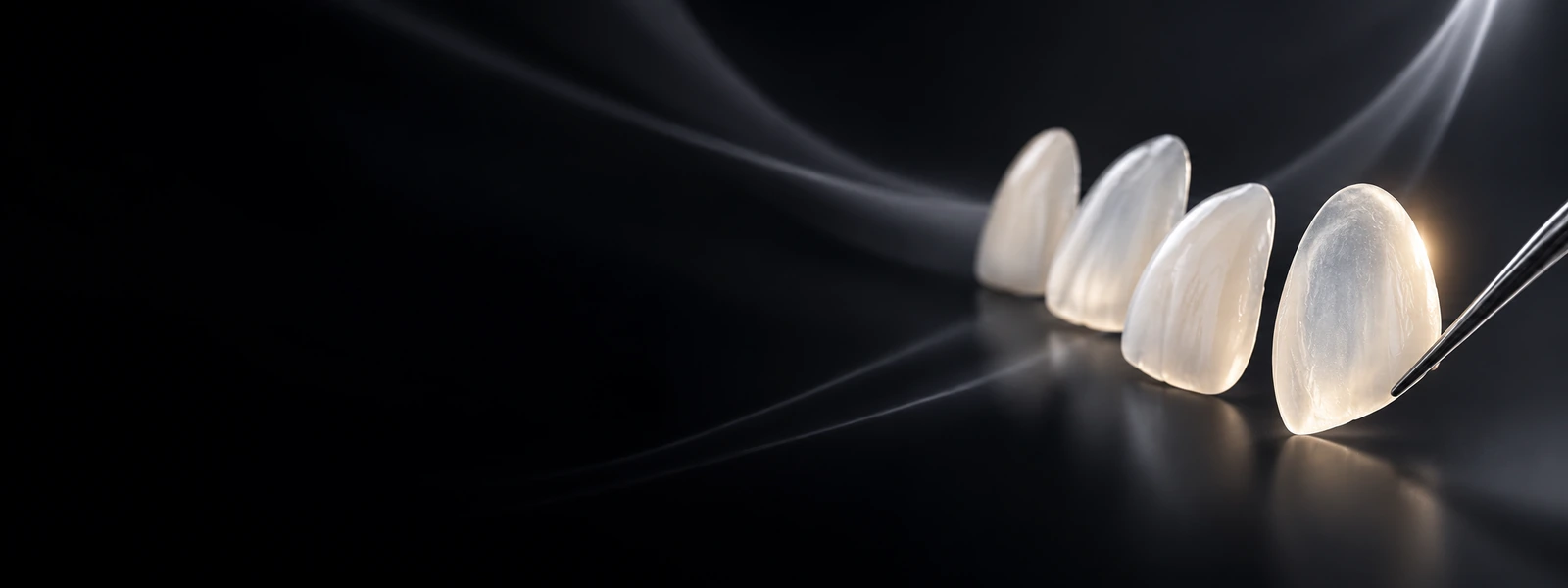
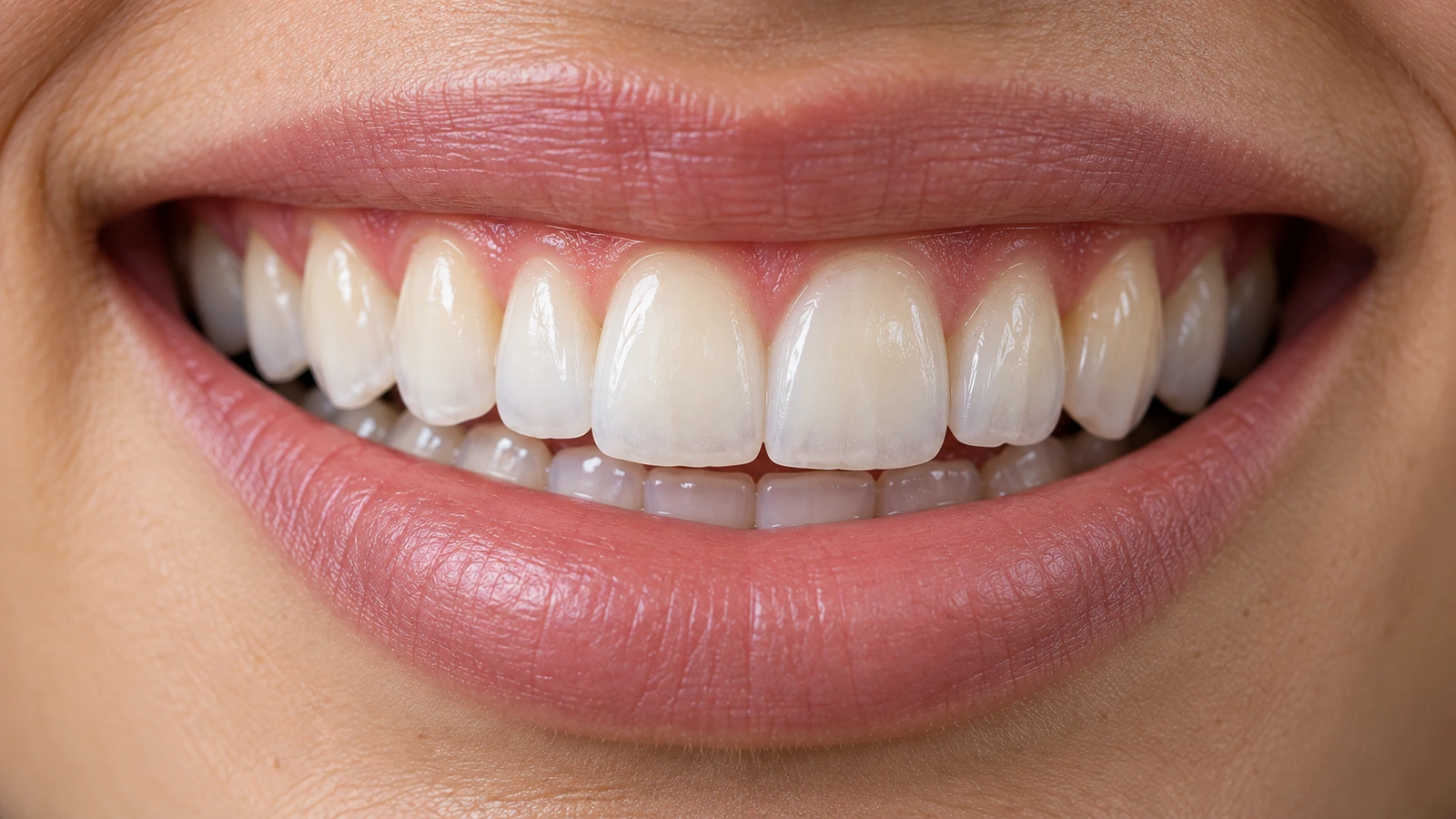
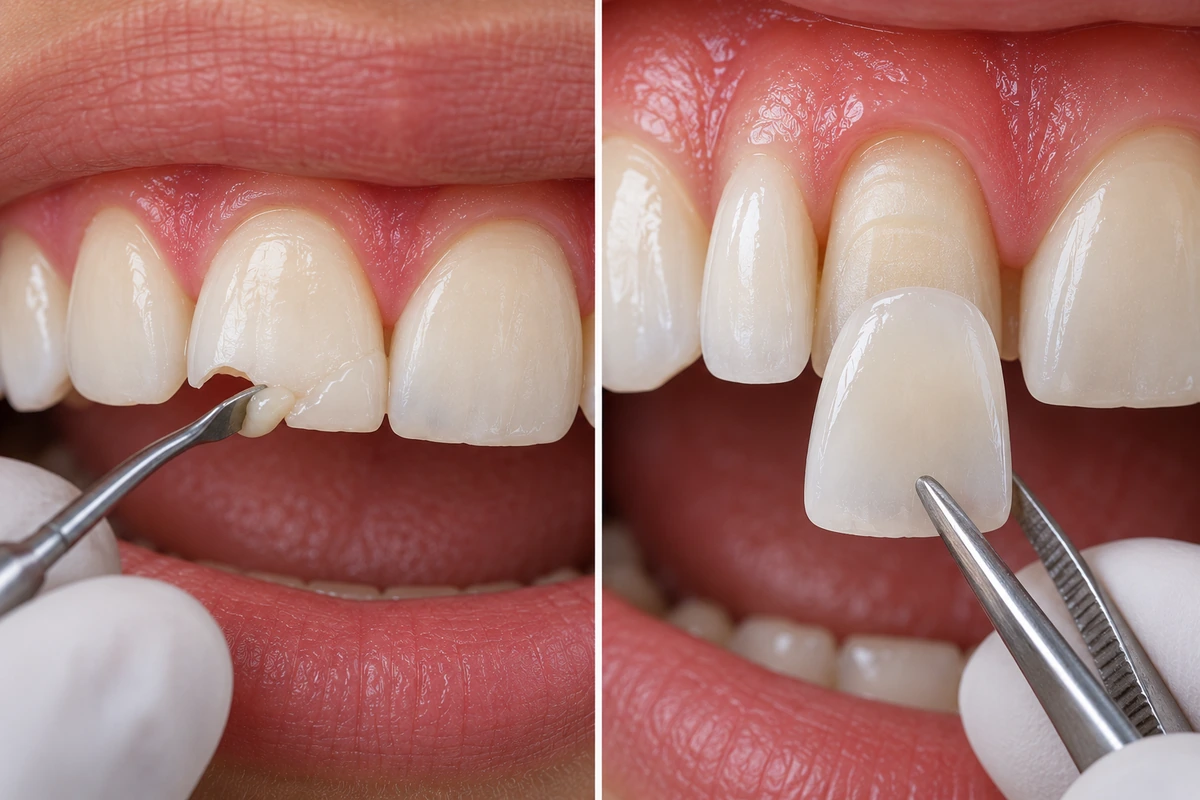
Dental veneers are thin shells — usually ceramic — bonded over the front of the teeth to change their shape, their colour or their proportion. They cover the front and the biting edge rather than the whole tooth, which is what separates them from a crown: a veneer is for how a sound tooth looks, a crown is for a tooth that has been weakened and needs holding together.
They are the most powerful thing cosmetic dentistry can do to a front tooth, and the least reversible. A prepared veneer takes about half a millimetre of enamel off the front of the tooth, and enamel does not come back — from that day the tooth needs covering permanently. That is a perfectly reasonable thing to accept for a result you want, but it should be a decision you made rather than one that happened, and the question worth asking at the consultation is how much of your own tooth the plan actually removes.
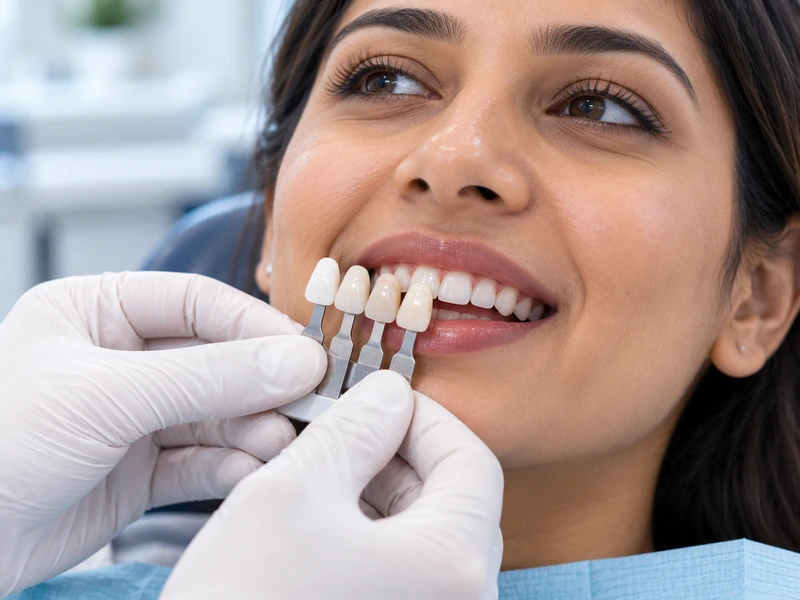
The other thing worth insisting on is seeing it first. The proposed shape can be mocked up over your own teeth before anything is prepared, and the finished veneers can be tried in with paste rather than cement so you can look at them in daylight while the shade can still be changed. Both stages exist for the same reason: nobody can picture a new smile from a description, and every design looks different in a face than it does on a model.
How Much Tooth Comes Off
Prepared Veneers
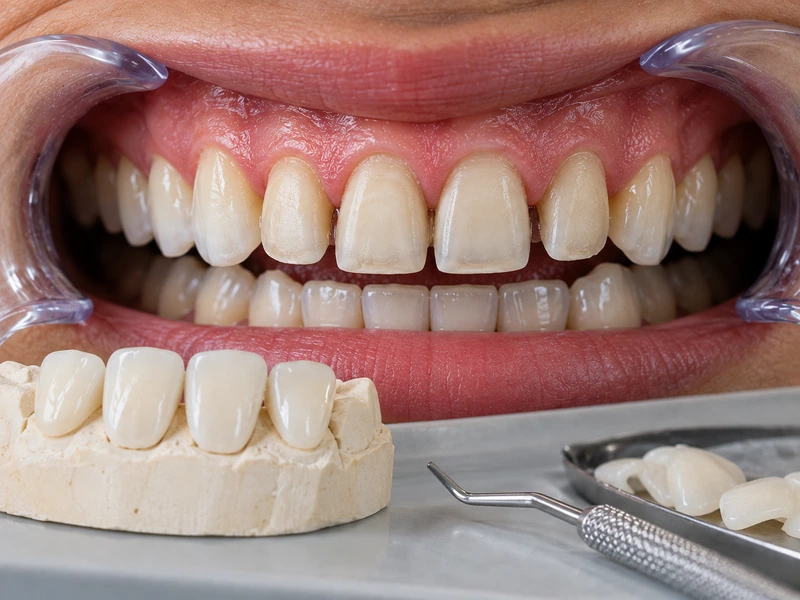
A thin layer of enamel — around half a millimetre — is taken from the front and the edge of the tooth, so the veneer sits flush instead of standing proud. This is the standard method and it gives the ceramist room to control shape and colour properly. It is also the permanent part: enamel does not grow back, and a tooth prepared this way will need covering for the rest of its life.
Minimal- and No-Prep Veneers
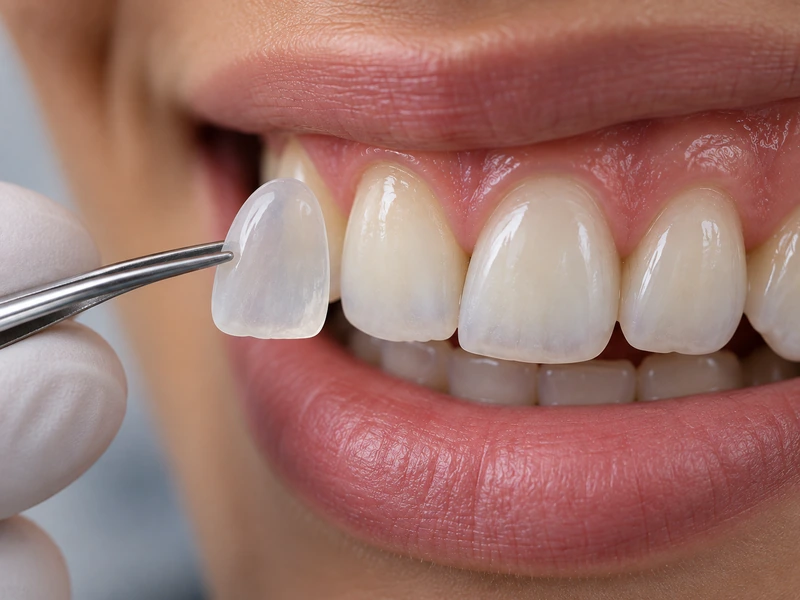
Where teeth are already small, worn or set slightly back, a very thin veneer can be bonded with little or no enamel removed. Almost nothing is given up and the option to change your mind stays open. It only works where there is room to add thickness without the teeth looking bulky, and it cannot bring a tooth that stands forward into line — so whether your case allows it is a question of fact, answered at the examination rather than assumed.
What Veneers Are Usually Asked For
Veneers are asked for by name more than almost any other treatment, and the reasons below are the ones that genuinely suit them.
- A chipped front toothA corner lost to a fall, a fork or a bottle top — on the one tooth everybody sees when you talk.
- Edges worn short and unevenYears of grinding or acid wear that have flattened the edges and shortened the whole smile line.
- A gap between the front teethA midline space you have always been aware of, in a case where moving the teeth is not what you want.
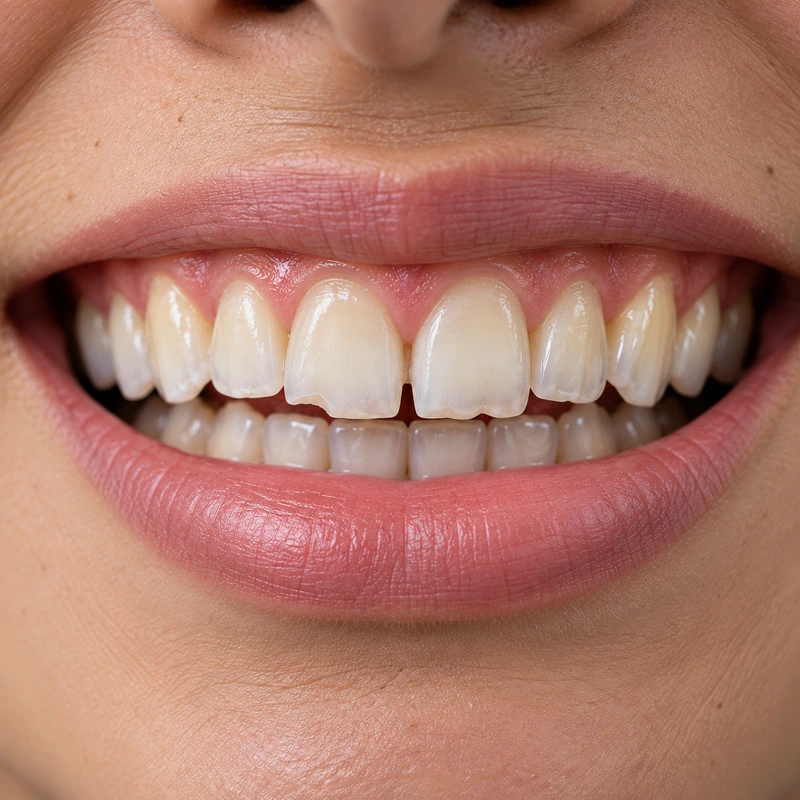
- Stains whitening will not liftTetracycline banding, fluorosis or one dark tooth — colour built into the tooth rather than sitting on it.
- Front teeth that look slightly crookedOne tooth turned or standing a little out of line, where the bite is sound and the concern is only how it looks.
- Old work that no longer matchesFront fillings or crowns done years ago that have darkened at the edges, or were never quite the right shade.
Options
Types of Veneer
The material and the amount of preparation are two separate decisions, and they are made from the tooth rather than from a preference.
 1
1Porcelain
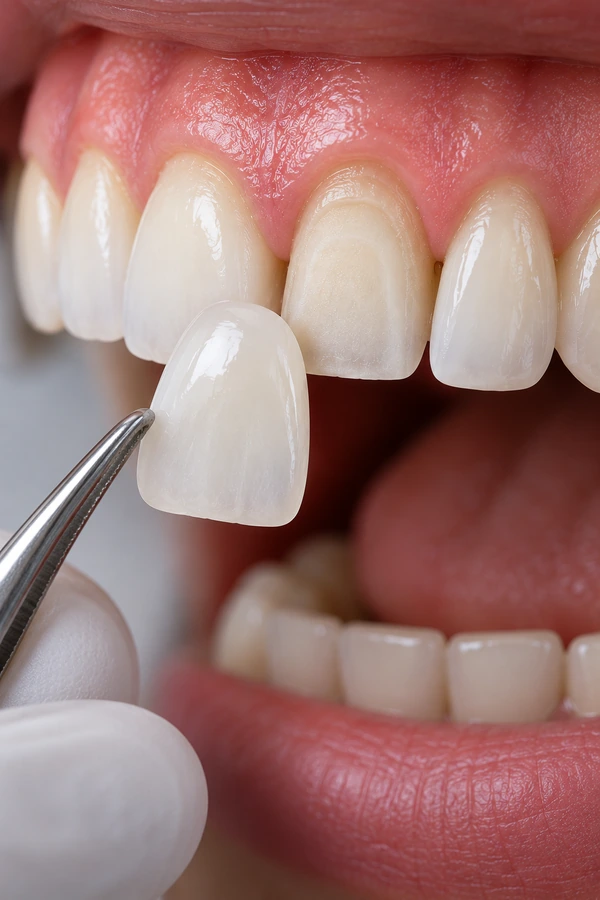
Ceramic made in a laboratory and bonded to the prepared tooth. It handles light the way enamel does, which is why it still looks like a tooth close up, and it resists staining almost indefinitely. Two visits, with temporaries in between.
 2
2Composite, built directly
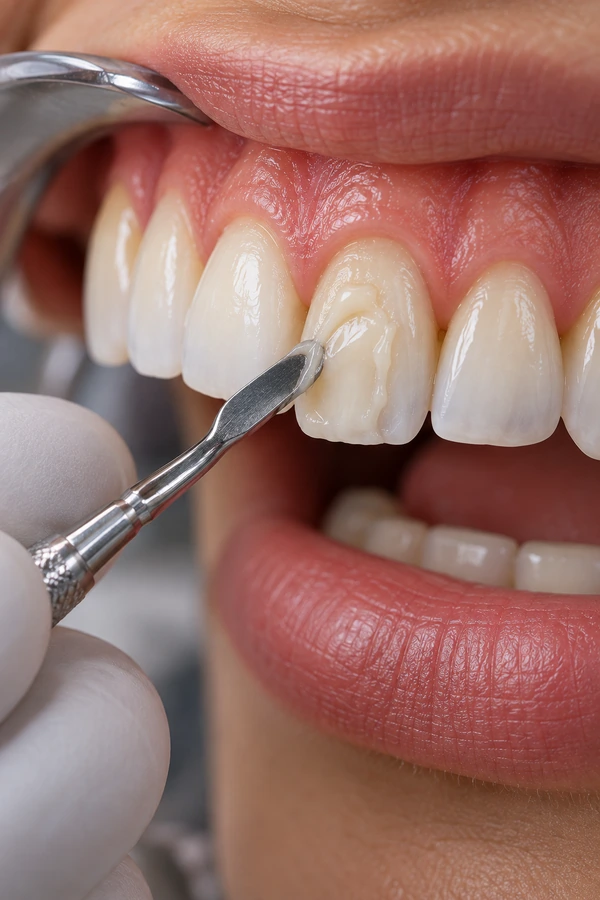
The same tooth-coloured material used for a white filling, layered and shaped onto the tooth in a single appointment. Little or no enamel removed, repairable in the chair, and reversible — but it dulls and picks up stain at the edges over a few years, and needs refreshing.
 3
3Minimal-prep ceramic
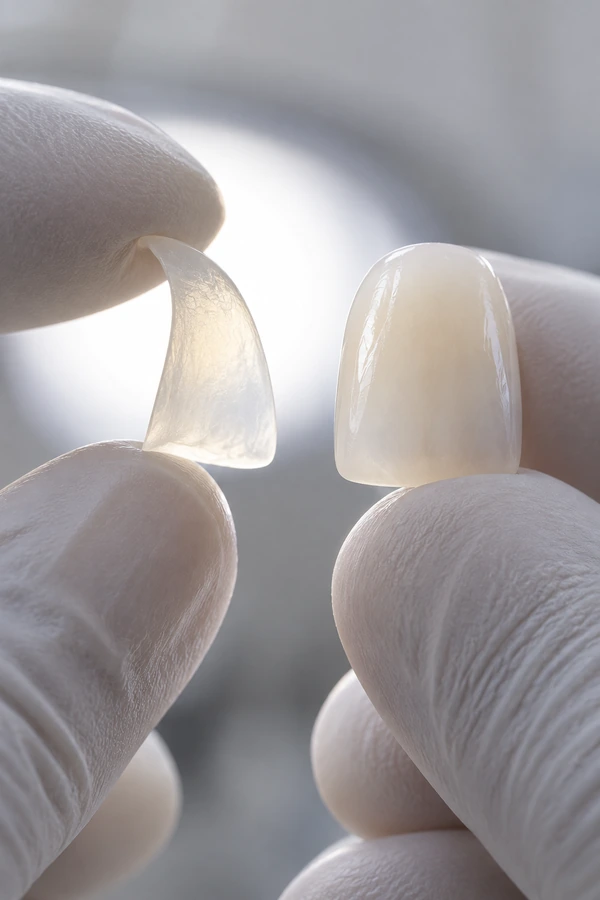
Very thin ceramic for teeth that are already small, worn or set back, bonded with almost no enamel touched. It gives the finish of porcelain while keeping the tooth intact — but only some mouths are shaped for it, and it cannot move a tooth back into line.
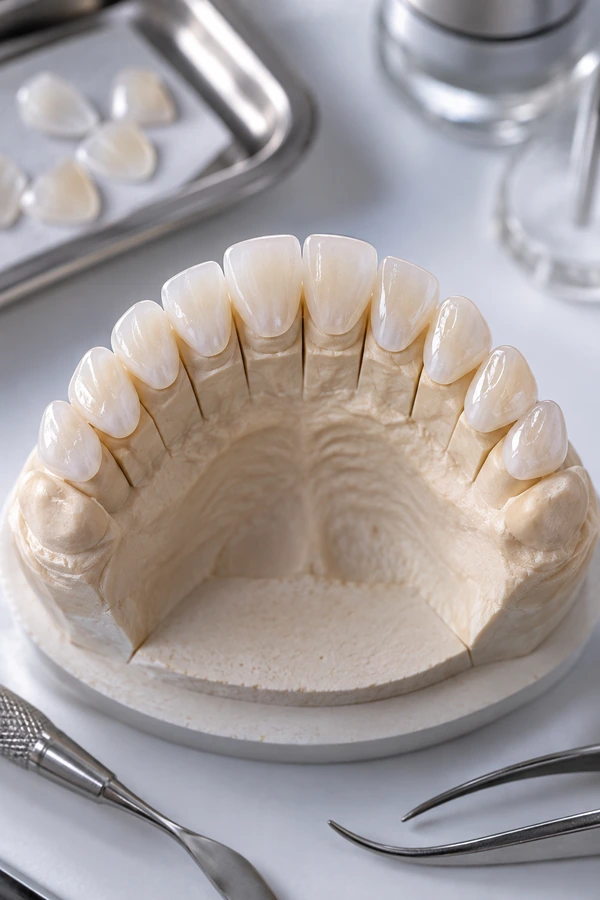 4
4A full set across the smile
Six, eight or ten planned together rather than one repaired, where the aim is even proportion and shade across the whole smile. Designed from the face rather than the tooth, and previewed as a mock-up before anything is prepared.
How Are Dental Veneers Fitted?
Everything is decided before anything is cut
The teeth, gums and bite are examined first, and whether you grind matters more here than almost anywhere else. Photographs, a scan or impressions, and the shade taken in daylight against your skin rather than from a chart in isolation. The proposed shape is then designed and tried in your mouth as a mock-up over your own teeth, so you can see it, photograph it and live with it for a day. The number is decided here too: a single veneer matched to its neighbours is the hardest thing in cosmetic dentistry, and sometimes the honest answer is two rather than one.
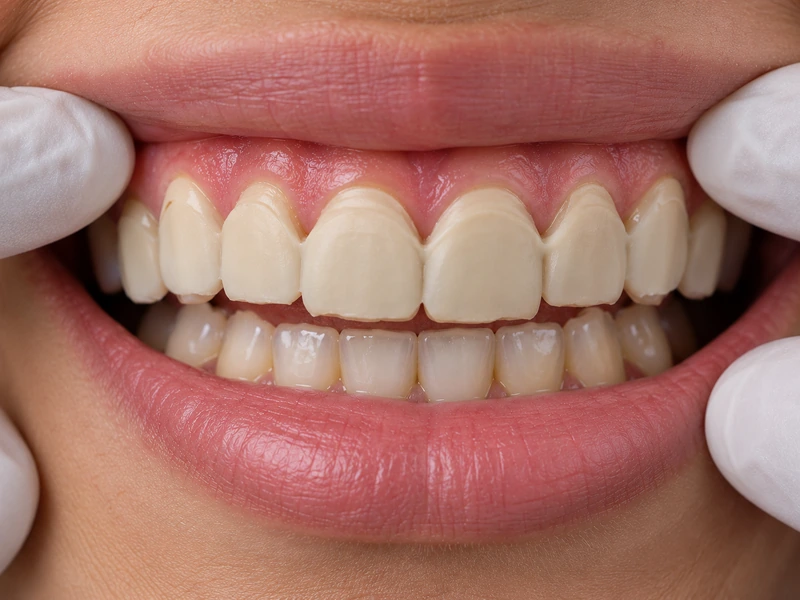
The enamel, the impression and the temporaries
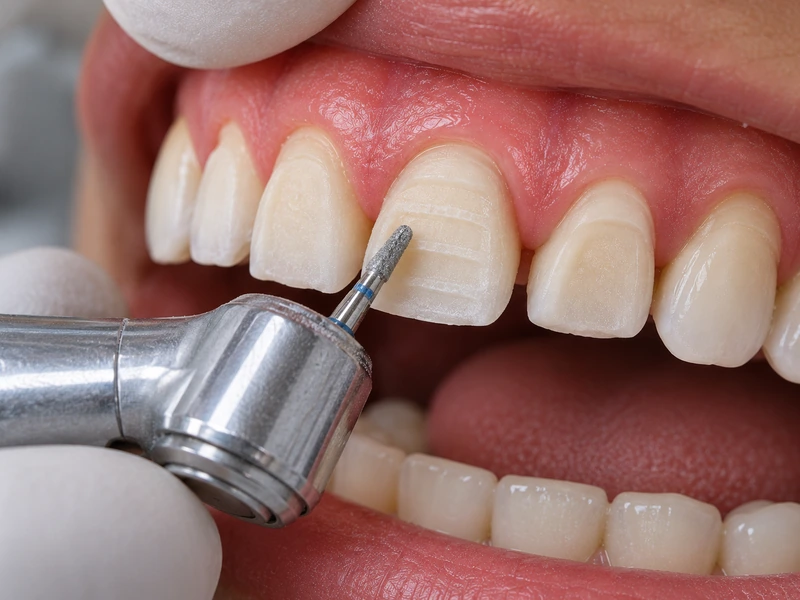
Local anaesthetic is usual, though minimal-prep cases often need none. A thin layer of enamel is taken from the front and edge of each tooth — ideally guided by depth cuts through the mock-up, so no more is removed than the agreed design requires. A scan or impression goes to the laboratory with photographs and shade notes, and temporary veneers are made and fitted the same day. Wear them properly and pay attention to them: the temporaries are a test drive, and anything you dislike about the shape is far easier to change now than after the ceramic exists.
Looked at first, bonded second
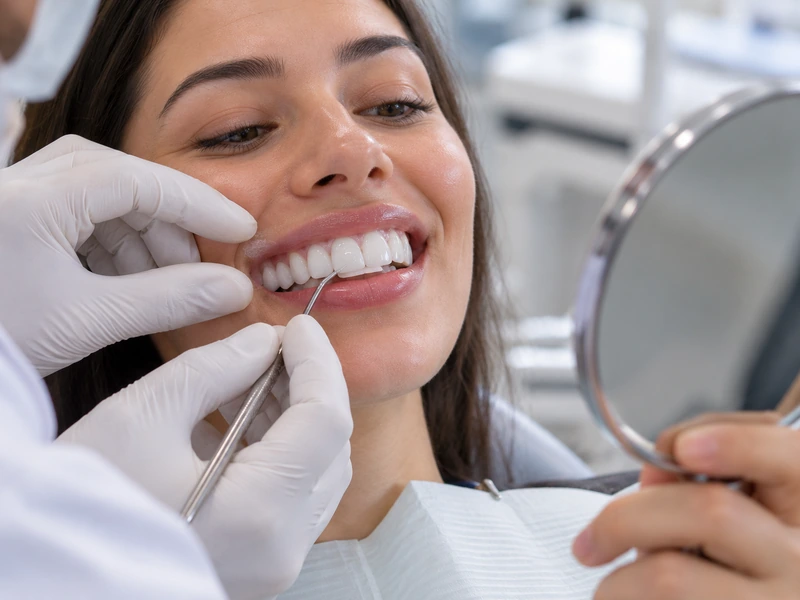
The veneers are tried on with a water-based paste, not cement, so you can see them in daylight with your own lips around them while everything can still be changed. Shade, edge length, the midline and the way they catch the light are all checked, and so is the bite. Only once you have agreed are they bonded — the ceramic and the tooth are both etched and the two are cemented and light-cured, which is the point of no return. A final bite check and a polish finish the visit.
Recovery
Living With Veneers
Veneers are not fragile, but they are not teeth either, and the four habits below decide how long they last.
- 1
They chip where teeth chip
Ceramic is strong across its face and vulnerable at the edge. Bottle tops, fingernails, ice and tearing open packaging are the usual causes, and a chipped veneer is normally replaced rather than repaired.
- 2
Wear the night guard if you grind
Grinding is the commonest reason veneers fail early, and a guard is the whole answer. If you have been told you grind, this is not the optional part of the plan.
- 3
The margin is where trouble starts
Decay and gum inflammation begin at the join near the gum line, which is exactly where brushing gets lazy. Floss slides gently under the edge — every day, not occasionally.
- 4
The shade is now fixed
Ceramic does not whiten and never will. If you want lighter teeth at any point, that decision belongs before the veneers are made rather than after.
Which one
Veneers vs Composite Bonding
These two answer many of the same complaints — a chip, a small gap, an edge of the wrong shape — and choosing between them is mostly a question of how much you want to commit to.
Bonding is added to the tooth. The material is built up and shaped by hand in one appointment, almost no enamel is removed, and it can be adjusted, repaired, or taken off entirely and leave the tooth as it was. What you give up is finish and longevity: composite picks up stain at the edges, dulls after a few years, and needs polishing or replacing. For one chipped corner it is very often the better answer, and a fair amount of what is done in veneers could have been done in bonding.
Veneers are made in a laboratory and bonded on. They look better for longer — ceramic handles light like enamel and barely stains — and across several teeth they can produce an even, coherent result that freehand bonding rarely matches. What they ask for in return is enamel and permanence: once a tooth is prepared, it is committed.
The order most likely to be right is the reversible one first. Bonding a chip, living with it for a few years and moving to a veneer later takes nothing away that cannot be got back. Preparing a tooth for a veneer that bonding could have handled is the decision you do not get to revisit.
What Happens at Your First Veneer Consultation
- 1ExaminationTeeth, gums and bite — and whether you grind, because that decides whether veneers survive.
- 2RecordsPhotographs, a scan or impressions, and the shade taken against your skin in daylight.
- 3How much enamelPrepared, minimal-prep or bonding instead — said plainly, including what cannot be undone.
- 4PlanHow many teeth, how many visits, and what the temporaries will be like in between.
- 5AftercareThe night guard, the margins, and what happens if one chips some years later.
Why us
Why Choose Us for Veneers
- Cosmetic dentistry led by Dr. Sangoju Roja Rani, with a prosthodontist, Dr. Sai Krishna (MDS), on the same team.
- You are told honestly whether veneers, bonding or whitening is the better answer for your teeth.
- Instruments sterilised and sealed for every patient, under a strict protocol.
- Open every day, 9:30 AM to 9 PM, at two branches in Gajularamaram: Ushodaya Colony and Mallareddy Nagar.
Tooth Pain & Repair
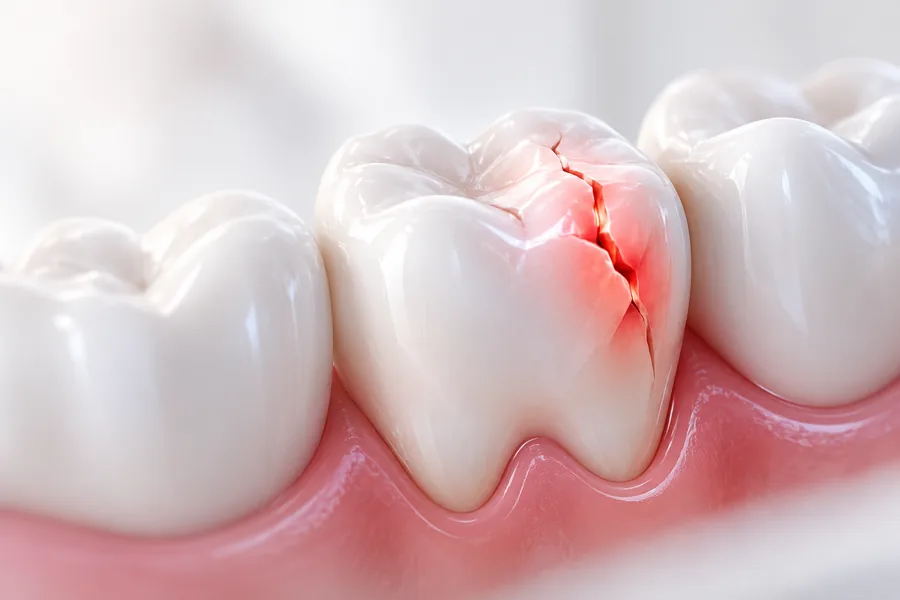
Relief from toothache and repair for decayed, cracked or broken teeth, from fillings and root canals to crowns.
- Root Canal Treatment
- Tooth Sensitivity Treatment
- Cavity Treatment
- Tooth Fillings
- Dental Crowns & Caps
- Wisdom Tooth Removal
- Emergency Dental Care
 learn more
Missing Teeth
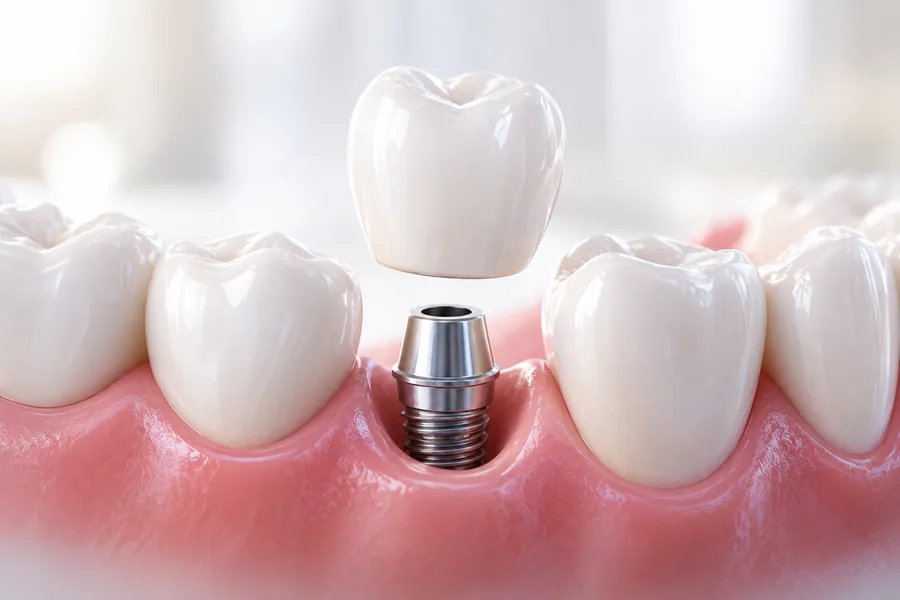
Implants, bridges and dentures to replace missing teeth, planned by our implantologist and prosthodontist.
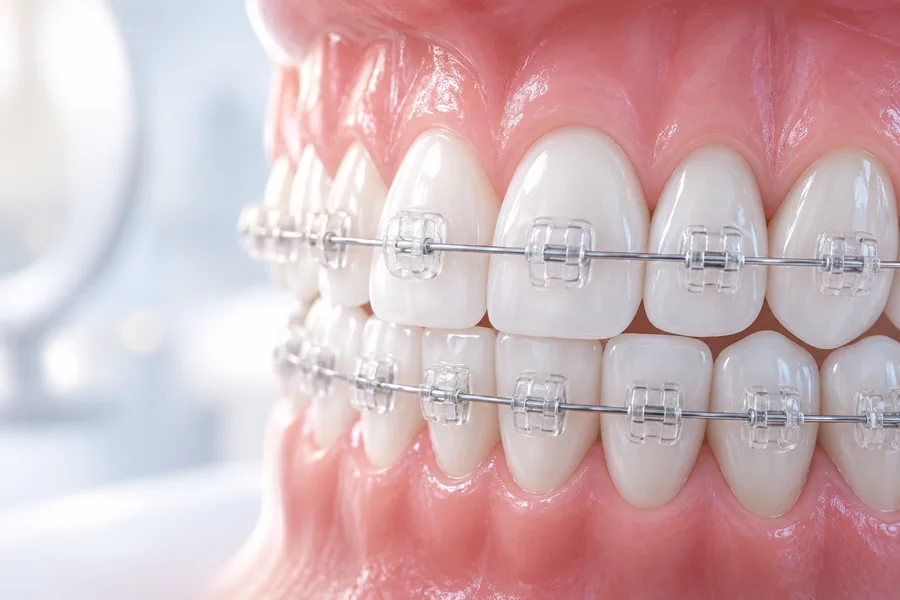 learn more
Straightening
Braces and Illusion clear aligners for crooked or gapped teeth, planned by our orthodontist for children and adults.
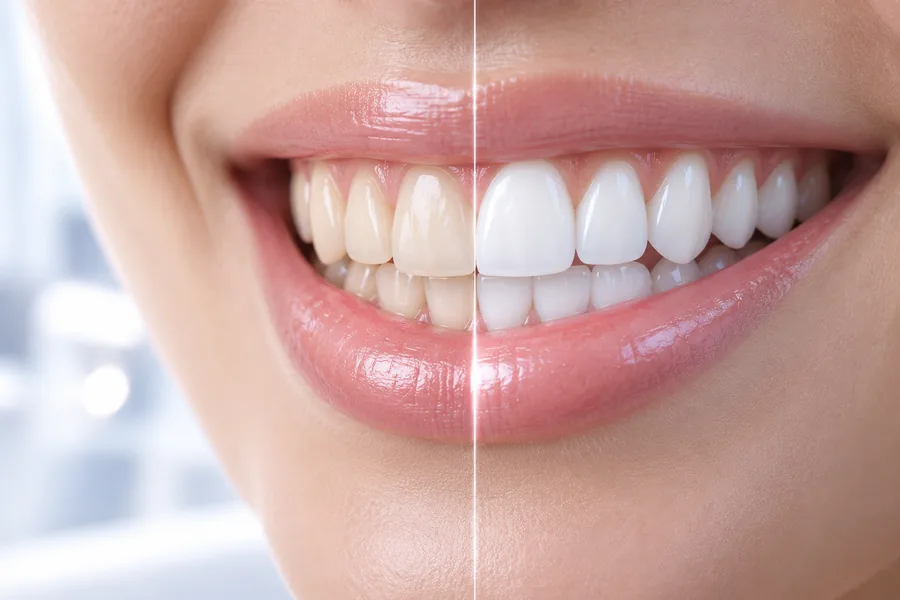 learn more
Cosmetic
Whitening, veneers, bonding and smile makeovers to improve the colour and shape of your smile, led by our cosmetic dentist.
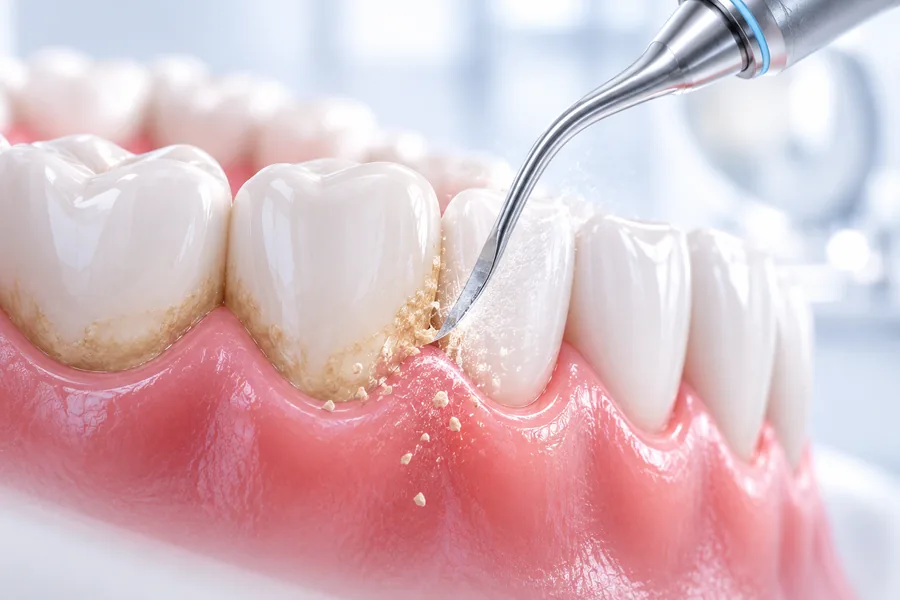 learn more
Gums & Cleaning
Cleaning, gum treatment and laser care for bleeding gums and bad breath, from our periodontist.
 learn more
Kids & Family
Gentle check-ups, fluoride and sealants for children with our pedodontist, and routine check-ups for the whole family.






Verified Google Reviews
Excellent
Based on 238 reviews
Harsha Vardhini
2026 · Google
I highly recommend Dr. Roja! She is incredibly kind, patient, and caring. I’ve had a root canal and multiple fillings done by her, and every procedure was completely painless. She explains everything clearly, makes you feel comfortable, and ensures you’re at ease throughout the treatment. Her gentle approach and professionalism make every visit a great experience. If you’re looking for a skilled dentist who truly cares about her patients, Dr. Roja is an excellent choice!
akk reddy
2026 · Google
I had a great experience with Dr. Roja madam. She is a very good doctor and extremely patient-friendly. I was suffering from a tooth cavity, and she suggested a root canal treatment. After starting the treatment, my tooth pain completely disappeared. The cap fitting was also very comfortable and flexible. Overall, I am very satisfied with the treatment and care provided. Thank you so much
Mamidisetti Siva
2026 · Google
I had a very good experience at this dental clinic. The treatment was excellent, and the staff were very friendly and supportive. Even after the treatment, they took great care by calling me, checking on my recovery, and asking me to come for follow-up visits. I really appreciate their concern and professionalism. Highly recommended.
BHARATH GUNDEBOINA
2026 · Google
Had a great experience with teeth replacement treatment. Dr. Roja mom explained everything clearly and the procedure was smooth and painless. The results look very natural and I’m extremely happy with my new smile. Highly recommended..thank you….
venkannababuk venki
2026 · Google
Madam provides very good dental treatment. She explains everything clearly and patiently whenever I have any doubts. I am very satisfied with the treatment and the way she cares for patients. Thank you, SR Dental.
Near you
Veneers & Laminates Near You in Gajularamaram
If you have been searching for dental veneers near you, the appointment worth booking is the one that will tell you how much enamel your own case needs removed — and whether bonding would have done instead. That answer changes from tooth to tooth, and it is not something a photograph can settle.
Bring a picture of yourself you dislike, and ask to see the shape in your own mouth before anything is prepared. A mock-up takes one appointment, and it is the only honest way to know what a new smile looks like on your face rather than on somebody else's.
77020 95262Gajularamaram
Contact
Reach out to schedule your next dental visit
Whether you have a question, need expert advice, or are ready to book your next appointment, our team is here to help.
Reach out to us on
- Phone Number 77020 95262
- Email address srdentalcare48@gmail.com
- Location Hospital Phase 2, Plot No:100/N, behind UMCC Road, Chandragiri Nagar, Ushodaya Colony, Indira Nagar, Gajularamaram, Hyderabad, Telangana, 500055
Working Hours
- Mon – Sun:
- 9:30 AM – 9:00 PM
FAQs
Frequently asked questions about veneers & laminates
Still have a dental question?
Send us a message and our dental team will help.
Do veneers damage your teeth?
A prepared veneer removes enamel permanently — usually about half a millimetre from the front and edge — and enamel does not grow back, so that tooth will need covering for life. That is not damage in the sense of harm, but it is a commitment, and it should be stated plainly rather than glossed over. Minimal-prep and no-prep veneers remove little or nothing, and composite bonding removes almost nothing at all. Which of those your case allows is decided by the shape and position of your own teeth.
How long do veneers last?
Porcelain veneers commonly last ten to fifteen years and often longer; composite veneers look their best for around four to eight before they are refreshed or replaced. The two things that shorten either are grinding and poor cleaning at the gum line, and both are within your control. When a veneer does reach the end, it is replaced rather than removed — the tooth underneath cannot be left bare.
Will they look fake?
That is decided at the design stage, not in the laboratory. Teeth that are too white, too long, too even and too flat are what make veneers recognisable across a room. Shade chosen against your skin, a little variation between teeth, and edges that follow your lower lip are what make them not. The mock-up and the try-in both exist so you can say it is too much while it can still be changed — and asking for it to be toned down is normal.
Can veneers straighten crooked teeth?
They can make mildly crooked teeth look straight, and for a small discrepancy that works well. The further out of line a tooth sits, the more enamel has to come off it to make room for the ceramic, so the correction is bought with tooth structure. Where the teeth could be aligned instead, aligning them first and then doing less to them is the more conservative route, and any plan that skips straight to veneers should explain why.
Should I whiten my teeth before veneers?
Yes, if you want lighter teeth at all. Ceramic is made to a shade and can never be changed afterwards, so the natural teeth are whitened first, left a fortnight for the colour to settle, and the veneers are then matched to where you have finished. Whitening after veneers only lightens everything around them, which is the opposite of what anybody wants.
What happens if a veneer chips or comes off?
A veneer that debonds intact can sometimes be re-bonded, so keep it and bring it with you rather than throwing it away. A chipped one is usually replaced, because polishing a chip out changes the shape and patching ceramic with composite shows. Either way the prepared tooth cannot be left uncovered, so a temporary goes on the same day and the replacement follows.