
Dental Crowns & Caps in Gajularamaram
- 14+Years of experience
- 50,000+Patients treated
- 4.9Google rating
- 60–75 minutes for the first visit
- two visits, about a week apart
- Mon – Sun: 9:30 AM – 9:00 PM
What Is a Dental Crown?
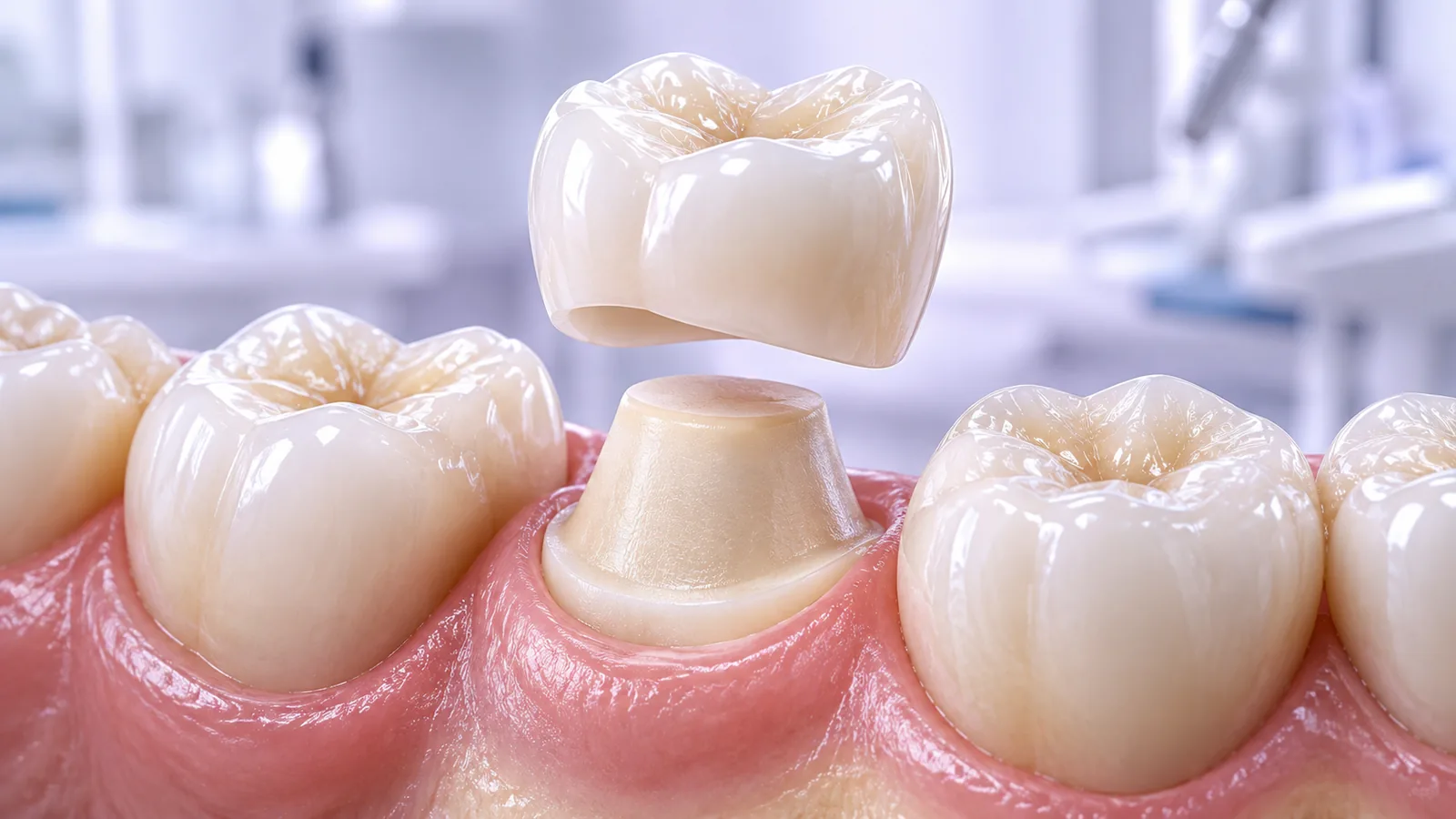
A dental crown — a cap, in everyday speech — is a cover made to fit over a tooth that has been weakened, and it is what allows a badly broken tooth to go back to work. It is fixed in place permanently, it takes the full force of chewing, and once it is on, the tooth looks and behaves like a tooth again.
The reason crowns exist is structural rather than cosmetic. A tooth is a hollow shell and its strength is in its walls. Decay, a fracture or a large old filling each take wall away, and what is left flexes very slightly every time you bite. That flexing is what eventually splits a tooth, and a split running below the gum is the one repair nobody can make. A crown wraps the tooth and holds the walls together, so the force is carried by the cover rather than by whatever wall is left.
That is also why a crown is not a first resort. Making room for one means reducing the tooth on every surface, and tooth that is removed does not come back. The judgement at the consultation is exactly this: whether enough sound structure remains for a filling to be safe, or whether the tooth has passed the point where covering it is the more conservative choice over the years ahead.
The Two Crowns You Will Have
The Temporary Crown
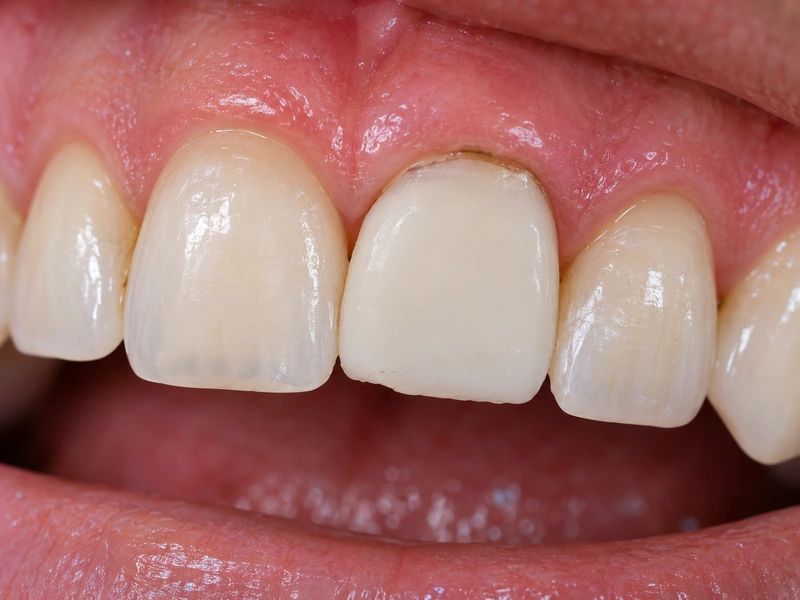
Fitted the same day the tooth is prepared and worn for about a week. It is acrylic, held on with a soft cement so it lifts off easily, and its job is to protect the tooth, keep the gum in shape and let you eat normally while the real one is being made.
The Permanent Crown
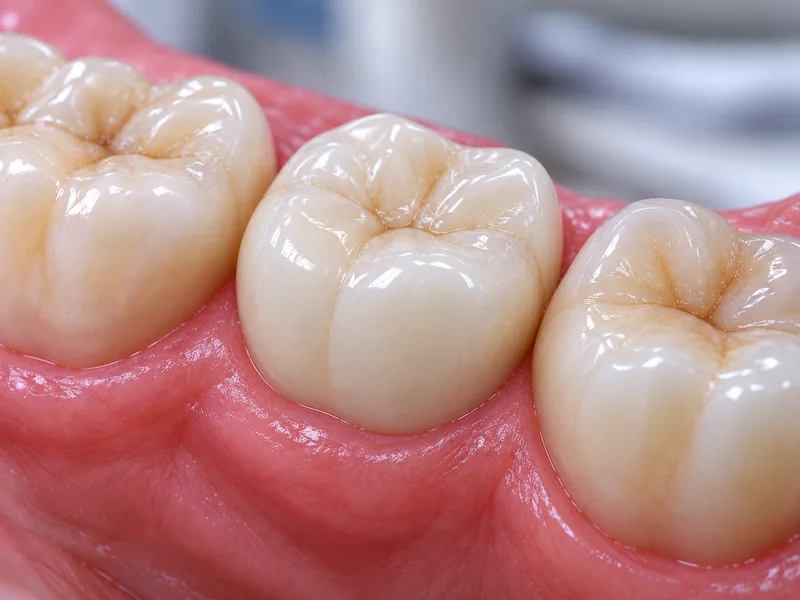
Made to fit your tooth exactly, in the material chosen for where it sits and how hard it has to work. It is tried in and checked for fit, shade and bite before it is cemented. After that it is treated like a tooth — brushed, flossed and checked at every appointment.
When Does a Tooth Need a Crown?
A crown covers a tooth completely, and that is what holds it together. It is the answer when too little sound tooth is left for a filling to work, or when what remains is too weak to take chewing force on its own.
- A tooth after root canal treatmentA treated back tooth has lost its blood supply and becomes brittle. A crown is what stops it splitting.
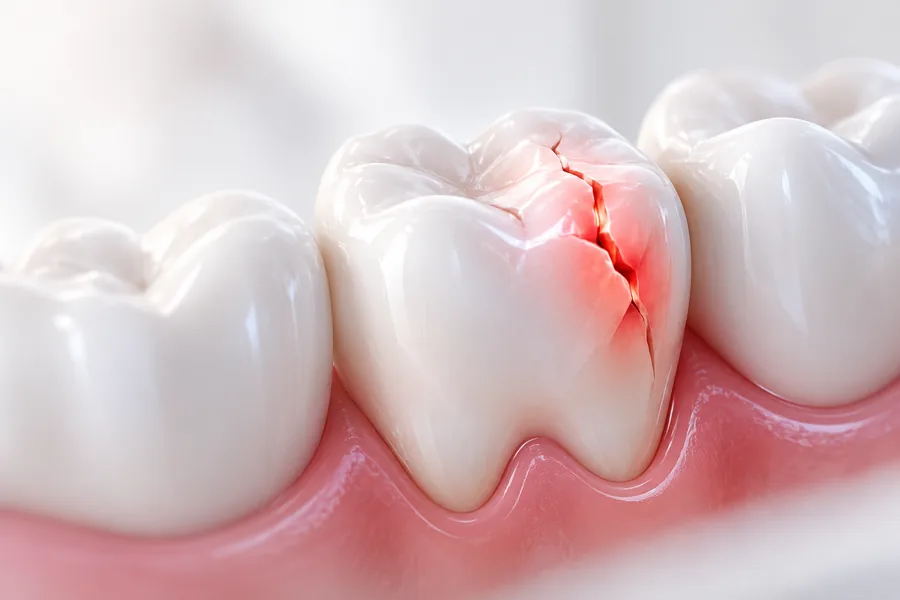
- A cracked or split toothA crack running through the biting surface, which a filling would only push further open.
- A large filling that keeps failingAn old filling that has grown across most of the tooth, leaving thin walls either side of it.
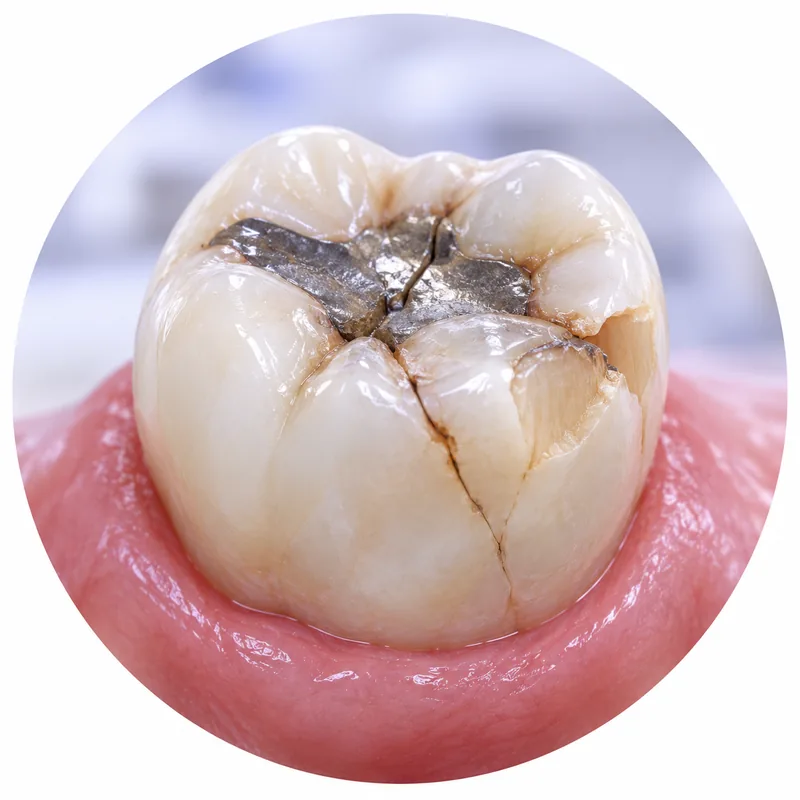
- Teeth worn down by grindingBiting surfaces flattened and shortened over years, with the enamel worn through to the layer beneath.
- A misshapen or discoloured toothA tooth that is the wrong shape, or dark from the inside where whitening cannot reach.
- Pain when you release a biteA sharp twinge as you let go rather than as you bite down — the classic sign of a crack.
Options
Types of Dental Crown
Crowns differ in what they are made of, and that decides three things: how strong the crown is, how closely it passes for a tooth, and how much of your tooth has to be reduced to make room for it.
 1
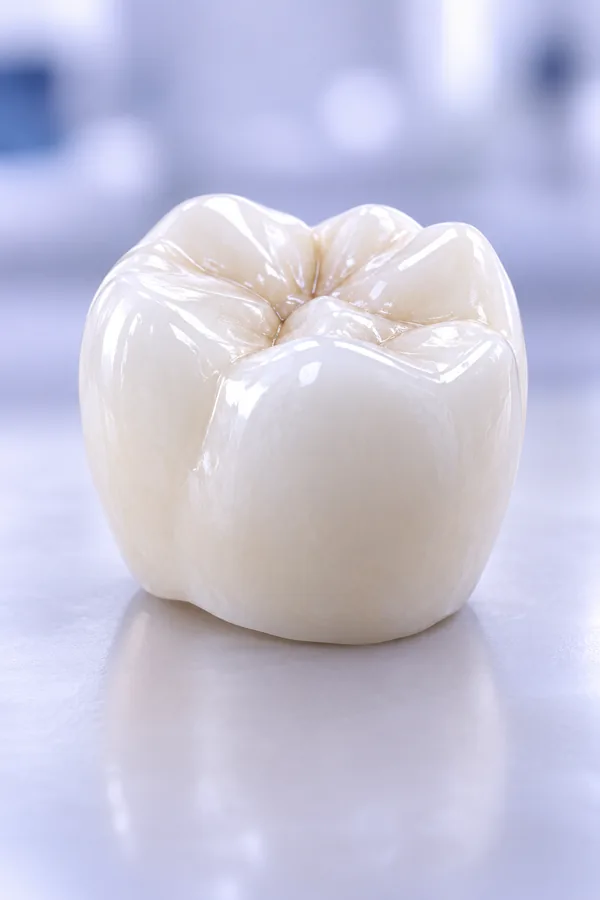
1Zirconia
Very strong, tooth-coloured, and kind to the tooth biting against it. The usual choice for back teeth, and now for front ones too since the more translucent grades arrived.
 2
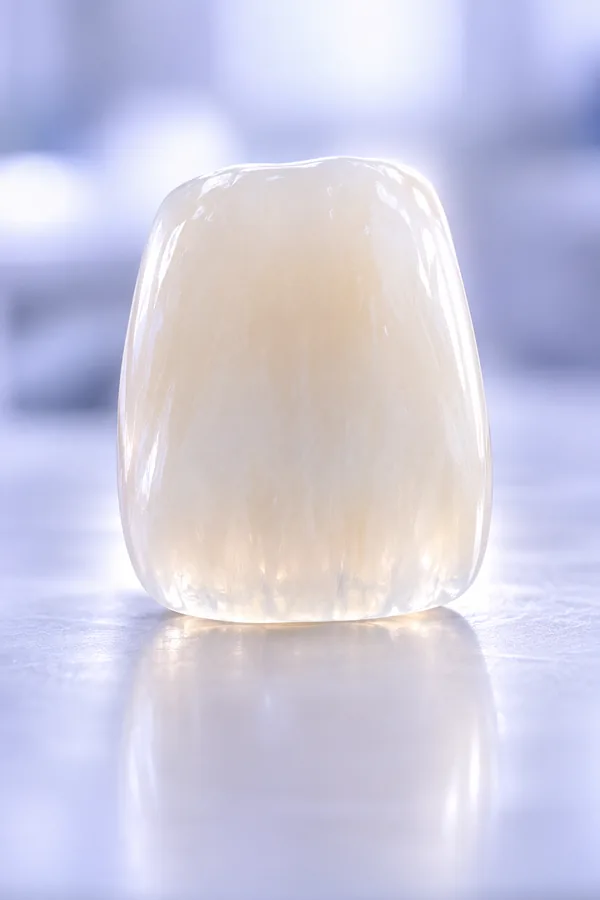
2All-ceramic porcelain
The closest match to a natural tooth, because light passes through it much as it does through enamel. Chosen for front teeth, where appearance matters more than raw strength.
 3
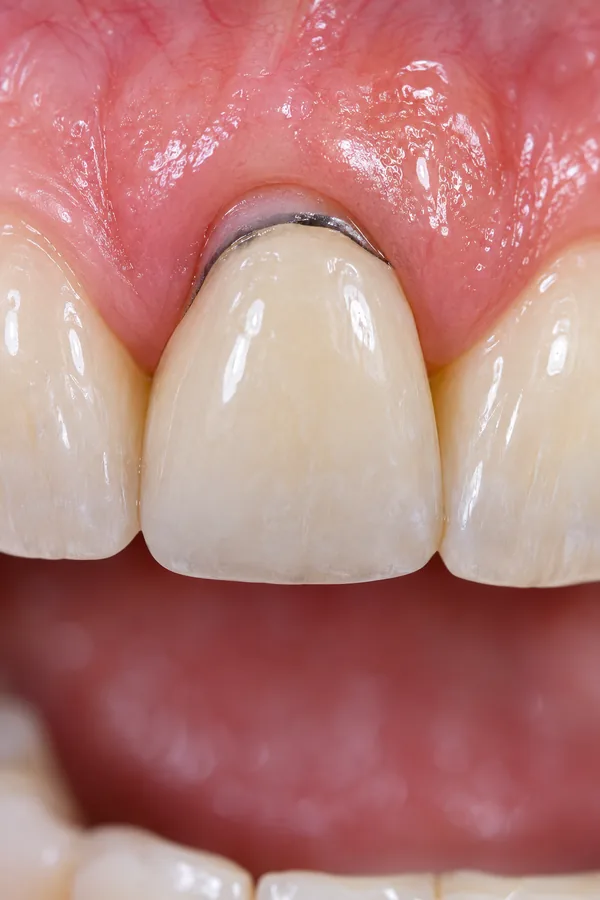
3Porcelain fused to metal
A metal core for strength with porcelain baked over it. Long-established and reliable, though a grey line can show at the gum as it recedes over the years.
 4
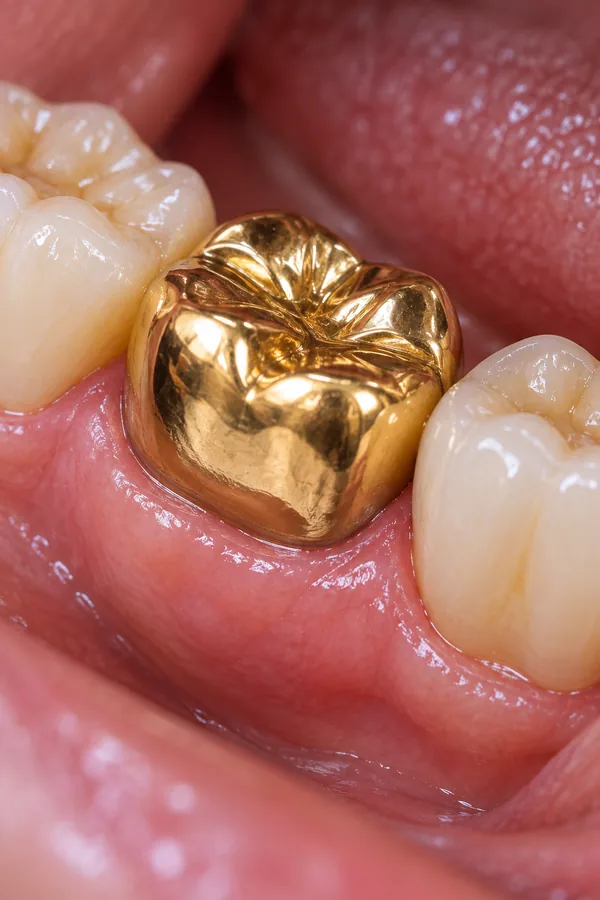
4Full metal
The strongest of the four, the gentlest on the opposing tooth, and the one needing least tooth removed. It is metallic, so it is kept to molars that do not show.
How Is a Crown Fitted?
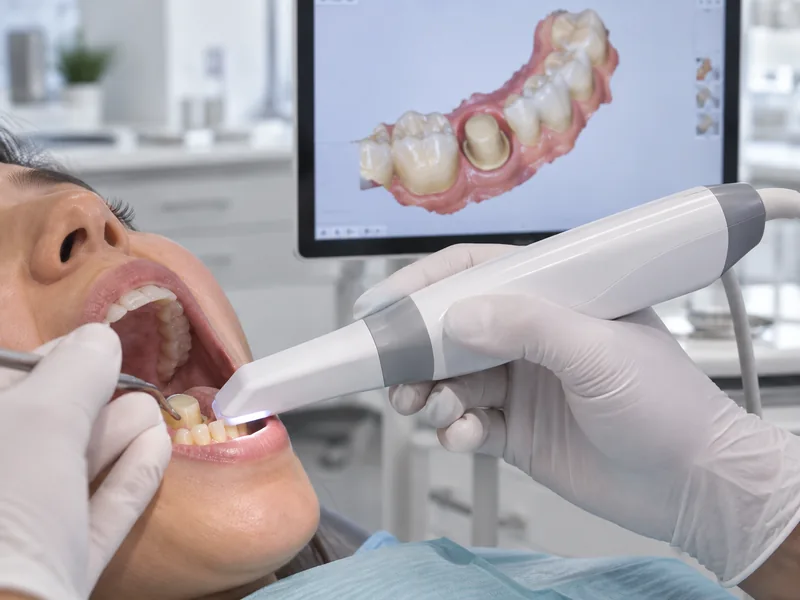
Shaping the tooth and taking the scan
The tooth is numbed, and any decay or old filling material is taken out and replaced with a solid core to build on. The tooth is then reduced on every surface by roughly the thickness of the crown — enough for it to be strong, and no more than that. A scan or impression records the shape, the bite and the teeth either side, and a temporary crown is made and fitted before you leave.
Trying in, adjusting and cementing
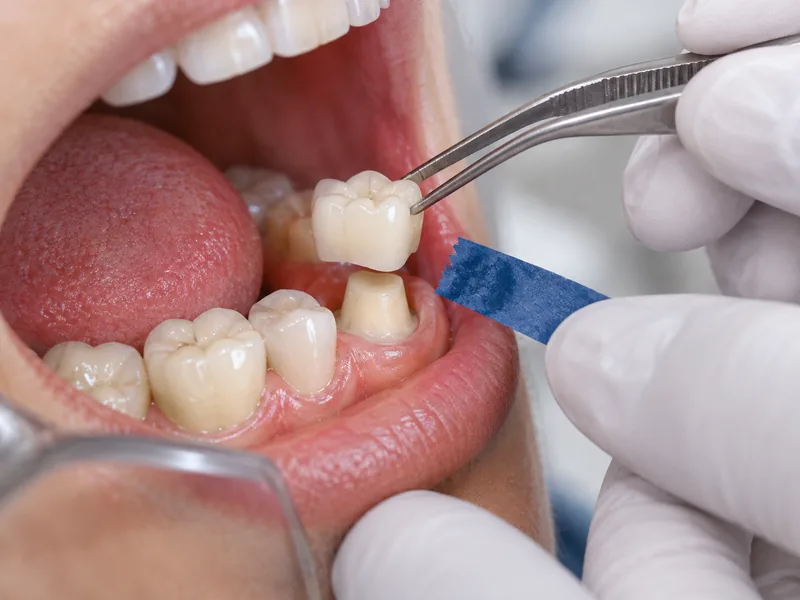
The temporary comes off and the new crown is tried on without cement first. Three things are checked, in order: that it seats fully down onto the tooth, that the shade and shape match what is around it, and that the bite is even in every direction — including when you slide your jaw sideways. Only when all three are right is it cemented, and the excess cement cleared from around the gum.
Recovery
Looking After Your Crown
A crowned tooth can still decay — at the margin, where the crown meets your own tooth. That edge is the whole game.
- 1
While the temporary is on
Keep off anything sticky, and floss by pulling the thread out sideways rather than lifting it up, so the temporary does not come away with it.
- 2
The first week with the new one
Mild sensitivity to cold and pressure is normal and settles. If the bite feels high at any point, come back — it will not wear itself in.
- 3
Cleaning the margin
Brush and floss the gum line of that tooth as carefully as any other. Decay under a crown starts at the edge and stays invisible until it is deep.
- 4
What shortens a crown's life
Grinding at night, chewing ice or hard nuts, and a neglected margin. If you grind, a night guard protects the crown and the teeth around it.
Which is right
A Crown vs a Large Filling
Both rebuild a broken-down tooth. The difference is in what happens to the force of chewing once they are in.
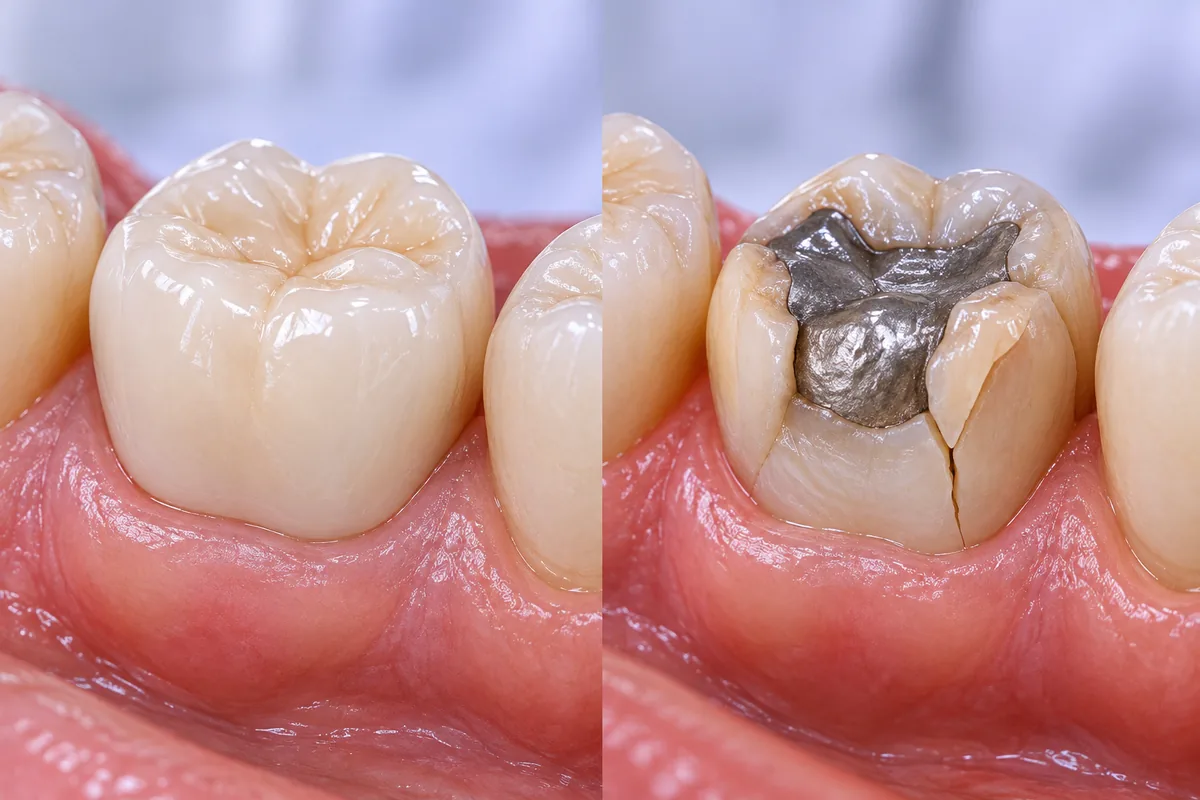
A filling sits inside the tooth and pushes outwards against the walls left around it every time you bite. While those walls are thick, that is perfectly safe. Once they are thin — after a root canal, or where an old filling has spread across most of the biting surface — that outward push is what eventually splits the tooth, and a split running below the gum is the one repair nobody can make.
A crown does the opposite: it wraps the tooth and holds the walls together, so the cover carries the force instead. What it costs is tooth structure, because room has to be made for it, and that is why a crown is the wrong answer for a small cavity. The judgement is always whether enough sound tooth remains to resist the force on its own — which is what the examination and the X-ray are for.
What Happens at Your First Consultation
- 1ExaminationThe dentist checks how much sound tooth is left, the gum around it and how you bite.
- 2X-rayAn X-ray shows the root, any earlier root canal, and whether the tooth can carry a crown.
- 3MaterialWhich crown suits this tooth — where it sits, how hard it works and how visible it is.
- 4PlanTwo visits about a week apart, what happens at each, and what you wear in between.
- 5AftercareHow to clean the margin, and what to avoid while the temporary crown is on.
Why us
Why Choose Us for Your Crown
- A prosthodontist, Dr. Sai Krishna (MDS), a specialist in crowns and bridges, is part of our team.
- You are told honestly whether a crown is needed, or whether a filling will do.
- Instruments sterilised and sealed for every patient, under a strict protocol.
- Open every day, 9:30 AM to 9 PM, at two branches in Gajularamaram: Ushodaya Colony and Mallareddy Nagar.
Tooth Pain & Repair
Relief from toothache and repair for decayed, cracked or broken teeth, from fillings and root canals to crowns.
- Root Canal Treatment
- Tooth Sensitivity Treatment
- Cavity Treatment
- Tooth Fillings
- Dental Crowns & Caps
- Wisdom Tooth Removal
- Emergency Dental Care
 learn more
Missing Teeth
Implants, bridges and dentures to replace missing teeth, planned by our implantologist and prosthodontist.
 learn more
Straightening
Braces and Illusion clear aligners for crooked or gapped teeth, planned by our orthodontist for children and adults.
 learn more
Cosmetic
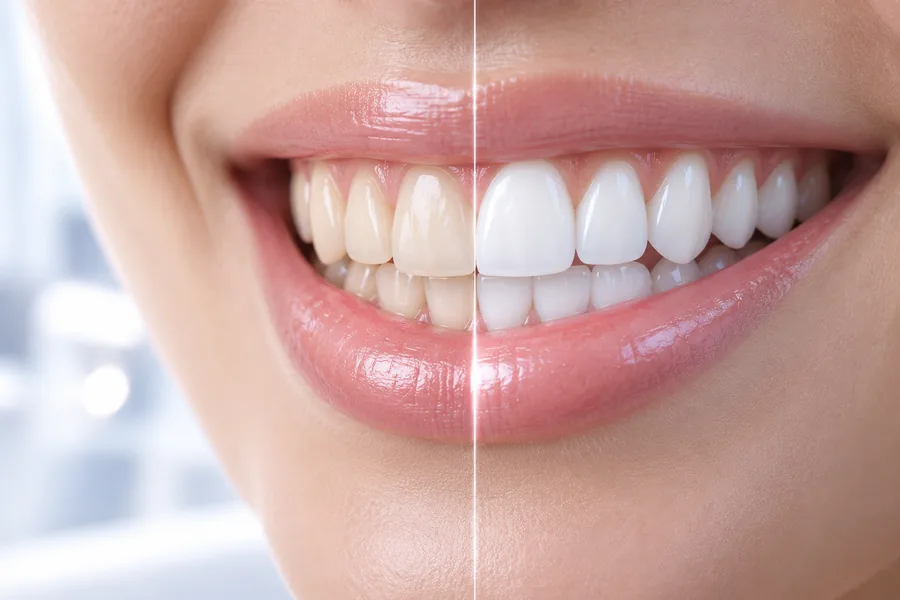
Whitening, veneers, bonding and smile makeovers to improve the colour and shape of your smile, led by our cosmetic dentist.
 learn more
Gums & Cleaning
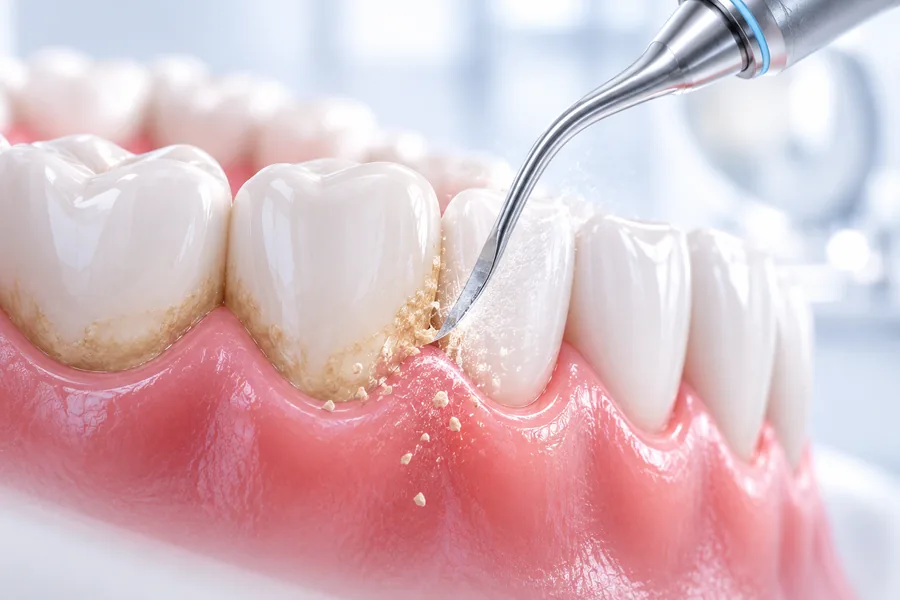
Cleaning, gum treatment and laser care for bleeding gums and bad breath, from our periodontist.
 learn more
Kids & Family
Gentle check-ups, fluoride and sealants for children with our pedodontist, and routine check-ups for the whole family.






Verified Google Reviews
Excellent
Based on 238 reviews
Harsha Vardhini
2026 · Google
I highly recommend Dr. Roja! She is incredibly kind, patient, and caring. I’ve had a root canal and multiple fillings done by her, and every procedure was completely painless. She explains everything clearly, makes you feel comfortable, and ensures you’re at ease throughout the treatment. Her gentle approach and professionalism make every visit a great experience. If you’re looking for a skilled dentist who truly cares about her patients, Dr. Roja is an excellent choice!
akk reddy
2026 · Google
I had a great experience with Dr. Roja madam. She is a very good doctor and extremely patient-friendly. I was suffering from a tooth cavity, and she suggested a root canal treatment. After starting the treatment, my tooth pain completely disappeared. The cap fitting was also very comfortable and flexible. Overall, I am very satisfied with the treatment and care provided. Thank you so much
Mamidisetti Siva
2026 · Google
I had a very good experience at this dental clinic. The treatment was excellent, and the staff were very friendly and supportive. Even after the treatment, they took great care by calling me, checking on my recovery, and asking me to come for follow-up visits. I really appreciate their concern and professionalism. Highly recommended.
BHARATH GUNDEBOINA
2026 · Google
Had a great experience with teeth replacement treatment. Dr. Roja mom explained everything clearly and the procedure was smooth and painless. The results look very natural and I’m extremely happy with my new smile. Highly recommended..thank you….
venkannababuk venki
2026 · Google
Madam provides very good dental treatment. She explains everything clearly and patiently whenever I have any doubts. I am very satisfied with the treatment and the way she cares for patients. Thank you, SR Dental.
Near you
Dental Crowns & Caps Near You in Gajularamaram
If you have been searching for a dental crown near you, the visit that matters is the one that measures what is left. How much sound tooth remains decides whether a crown will hold at all, whether the tooth needs a post underneath it first, and which material makes sense for where it sits.
A cracked tooth is worth showing us early, while it still only twinges as you release a bite. Crowned in time it stays your tooth. Split through the root, it usually cannot be saved.
77020 95262Gajularamaram
Contact
Reach out to schedule your next dental visit
Whether you have a question, need expert advice, or are ready to book your next appointment, our team is here to help.
Reach out to us on
- Phone Number 77020 95262
- Email address srdentalcare48@gmail.com
- Location Hospital Phase 2, Plot No:100/N, behind UMCC Road, Chandragiri Nagar, Ushodaya Colony, Indira Nagar, Gajularamaram, Hyderabad, Telangana, 500055
Working Hours
- Mon – Sun:
- 9:30 AM – 9:00 PM
FAQs
Frequently asked questions about dental crowns & caps
Still have a dental question?
Send us a message and our dental team will help.
Is getting a crown painful?
The tooth is numbed for the preparation visit, so it is pressure and vibration rather than pain, and the fitting visit usually needs no anaesthetic at all. A tooth that has already had a root canal has no nerve left and feels nothing either way.
How long does a crown last?
Ten to fifteen years is typical and many last a good deal longer. What ends a crown is almost never the crown itself — it is decay at the margin, or a fracture of the tooth underneath. Both of those are about how the edge is cleaned and whether the tooth is being ground at night.
Do I need a root canal before a crown?
Usually not. A crown is a cover; it does not require the nerve to be removed. A root canal is only needed if the nerve is already infected or dying, or occasionally if preparing the tooth would expose it. A healthy tooth is crowned with its nerve intact.
What is the difference between zirconia and porcelain fused to metal?
Both are strong enough for back teeth. Zirconia is one ceramic material the whole way through, so there is no metal that can show at the gum line and less tooth has to be removed. Porcelain fused to metal has a metal core under the porcelain, which is why a dark line can appear at the edge after some years of gum recession.
Will the crown look like my other teeth?
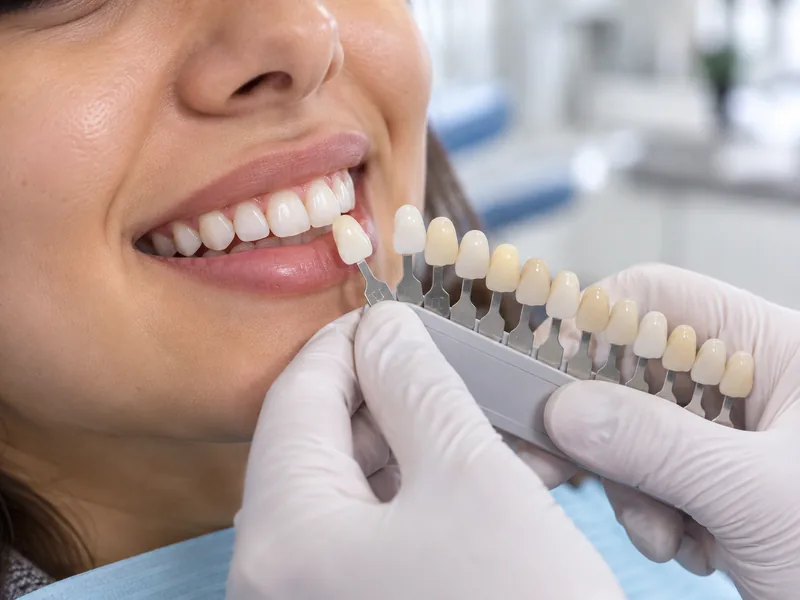
The shade is matched against your neighbouring teeth before the tooth is prepared, because teeth lighten as they dry out during treatment. The crown is then tried in before it is cemented, so it can go back to the laboratory if it is not right. All-ceramic matches best on front teeth; on a molar nobody sees, strength matters more than the match.
What should I do if my crown comes off?
Keep it, do not try to glue it back on, and call us. A crown that has come away cleanly can often be recemented the same day. What matters is not leaving the prepared tooth uncovered — it drifts and becomes sensitive within a few days.