
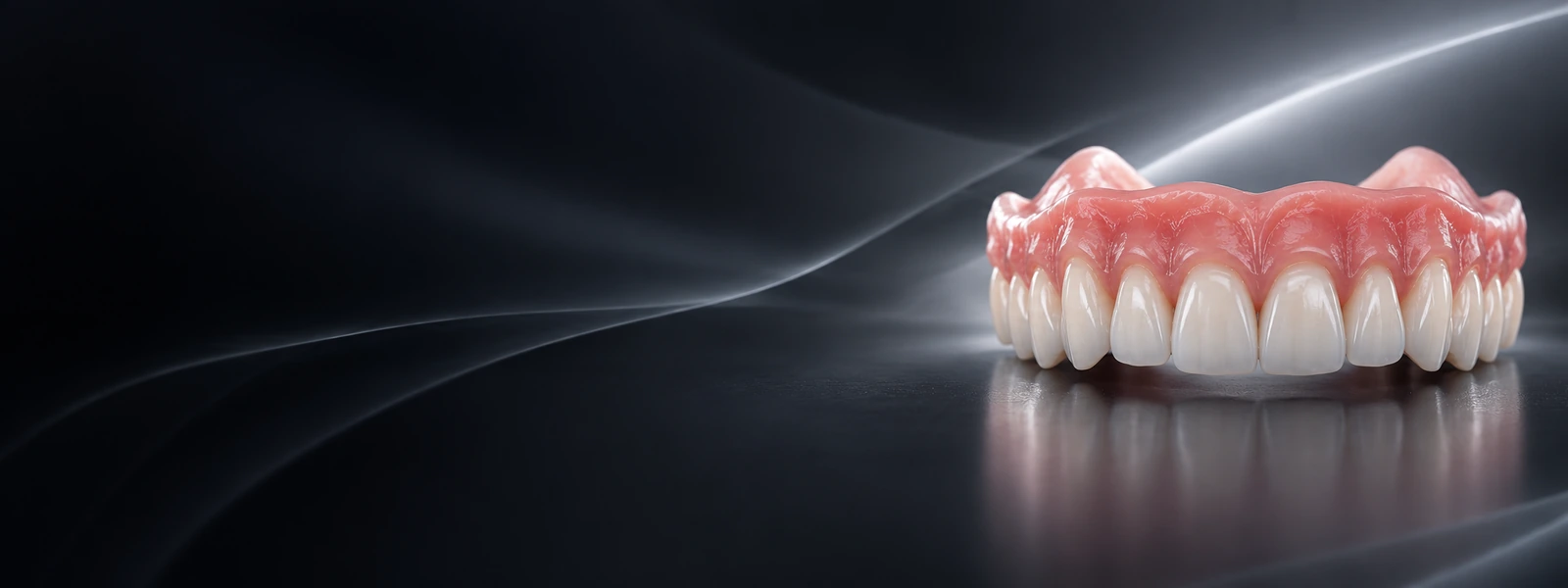
Full Mouth Rehabilitation in Gajularamaram
- 14+Years of experience
- 50,000+Patients treated
- 4.9Google rating
- 6–18 months, depending on scope
- staged, in a planned order
- Mon – Sun: 9:30 AM – 9:00 PM
What Is Full Mouth Rehabilitation?
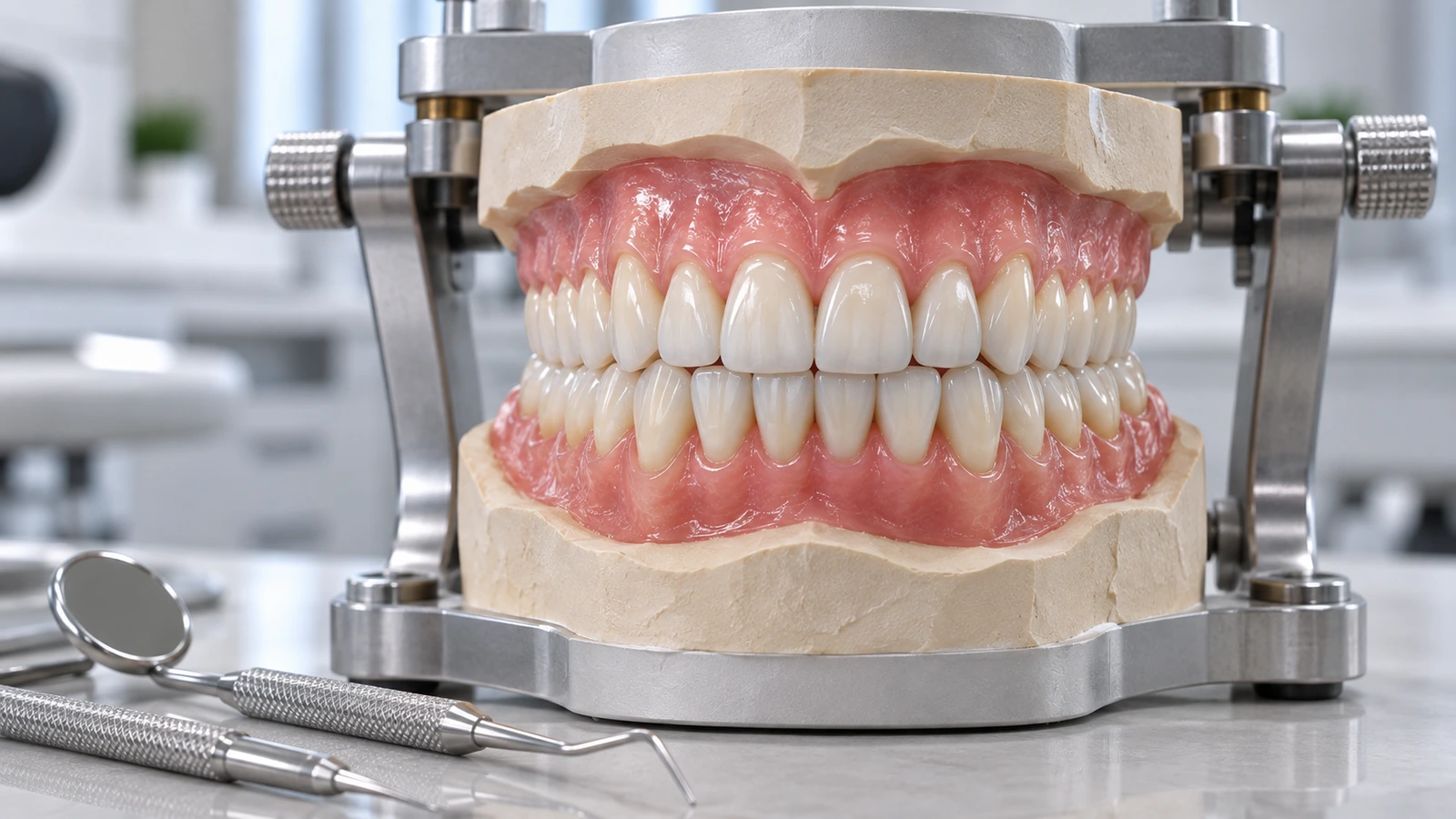
Full mouth rehabilitation is the planned rebuilding of a whole mouth rather than the repair of one tooth in it. It is not a single procedure — it is crowns, root canals, gum treatment, implants, bridges and sometimes a denture, arranged into one sequence with one destination, so that every piece fits the same plan instead of each being a separate answer to a separate emergency.
What makes it a rehabilitation rather than a long list of treatments is the bite. Teeth work as a set. When several are lost or worn down, the jaws start closing further than they were built to, the remaining teeth take forces meant to be shared, and the joints and muscles compensate. At that point the individual problems stop being individual: rebuilding one tooth in isolation puts it in the path of a force it cannot survive alone. The whole has to be measured, and then rebuilt to a height that works.
The word people fix on is the scale, and the thing worth knowing is that scale here means planning rather than an ordeal. The treatment is staged over months, the mouth is left working at every stopping point, and provisional teeth are in place throughout — including a long stretch where you live with the proposed new bite before a single permanent restoration is made. The plan is decided at the beginning. The pace, largely, is yours.
The Two Halves of a Rehabilitation
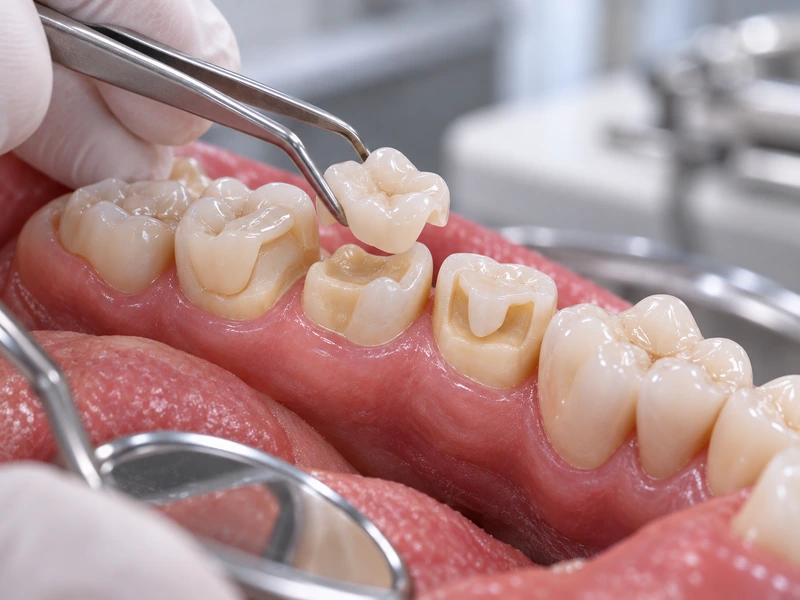
Rebuilding What Is There
Teeth that can be kept are saved and rebuilt — root canals where the nerve has gone, crowns and onlays where too little tooth is left to fill, gum treatment underneath all of it. This half is about keeping your own roots, because nothing replaces them as well as they do.
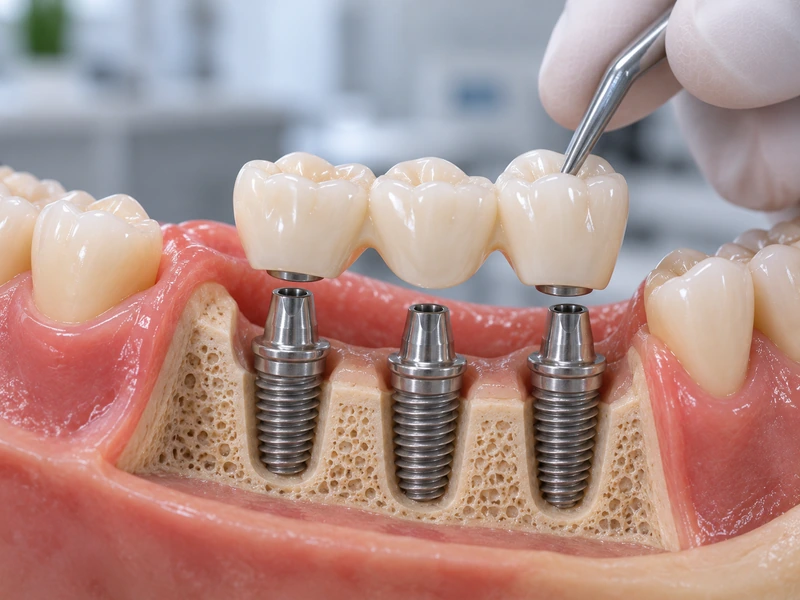
Replacing What Is Gone
Gaps are filled with implants, bridges or a denture, chosen for where they sit and what the bone allows. This half is planned at the same time as the first, not after it — where the replacements go changes how the remaining teeth are rebuilt.
When Is a Full Rehabilitation Needed?
Not for one broken tooth. This is for a mouth where the problems have stopped being separate — where fixing one thing at a time has started to feel like painting a rusting gate.
- Teeth worn down across the mouthBiting surfaces flattened and shortened over years, often from grinding, until the face itself looks shorter.
- Several teeth missingGaps in more than one place, with the remaining teeth drifting and tilting into them.
- Old dental work failing togetherCrowns, bridges and large fillings put in decades apart, all reaching the end at once.
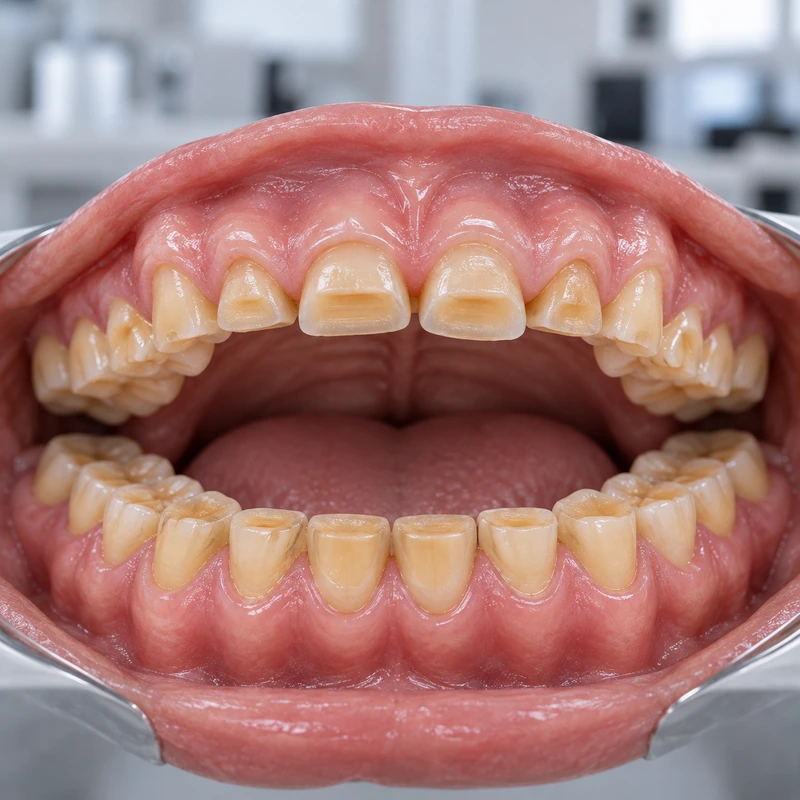
- A bite that has collapsedTeeth meeting in a way they never used to, so nothing closes where it should.
- Jaw ache and headachesMorning soreness in the jaw joints or temples, from a bite the muscles are working around.
- Teeth loosened by gum diseaseMovement and bone loss around the roots, which has to be settled before anything is rebuilt on top.
Options
The Four Phases, in Order
A rehabilitation is not one treatment done at once. It is four phases, and the order is not negotiable — each one is only sound if the one before it was done properly.
 1
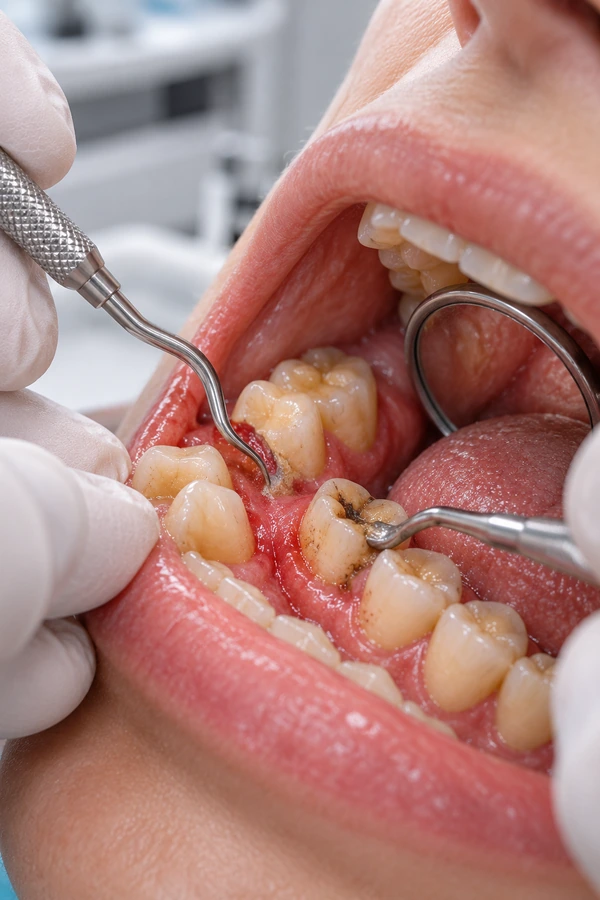
1Getting disease under control
Decay removed, infection treated, gums stabilised. Nothing is built on an active problem, because the rebuild would fail underneath and take the tooth with it.
 2
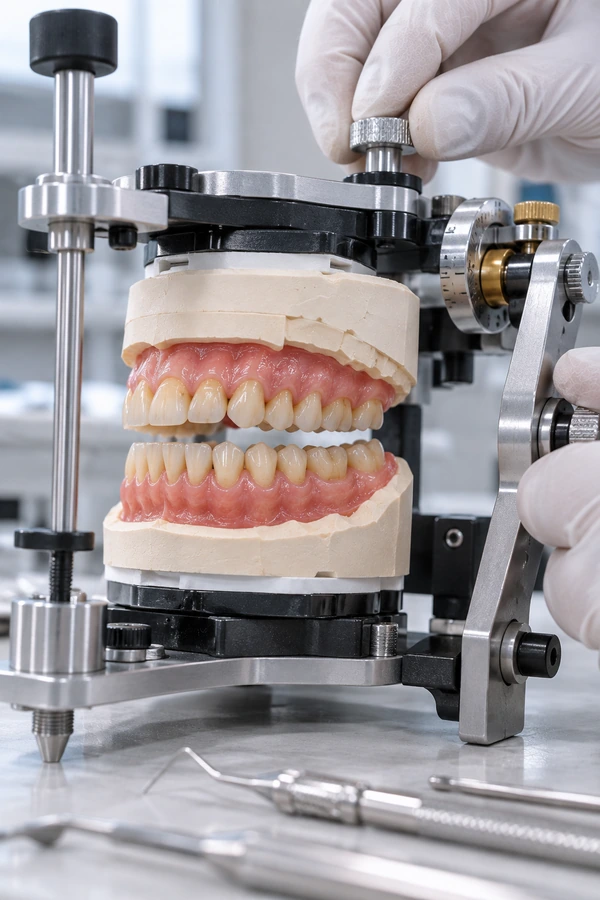
2Finding the right bite
Working out where the jaws should meet, which is rarely where they meet now. Records, models and measurements establish the height the mouth will be rebuilt to.
 3
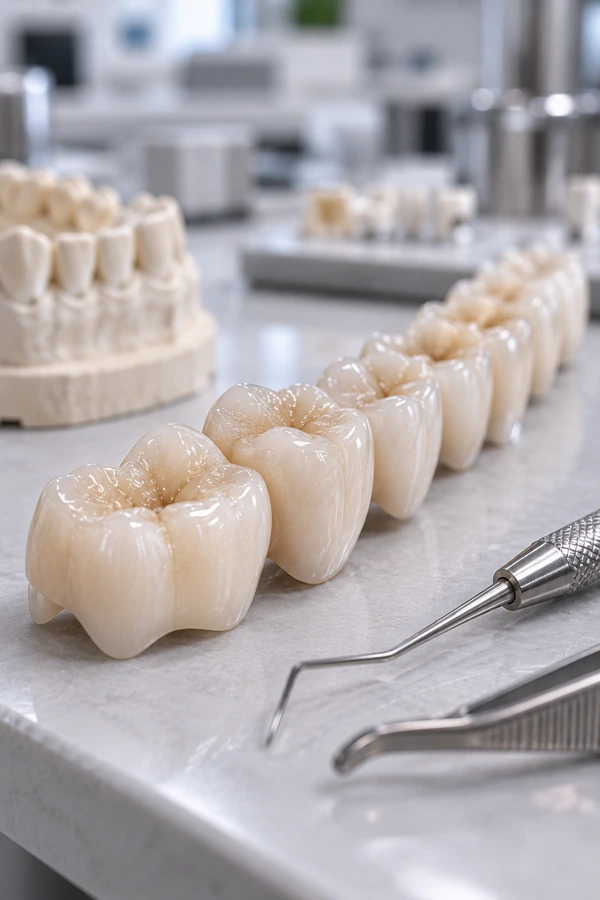
3Rebuilding the teeth you keep
Crowns, onlays and root canals bring each remaining tooth back to its proper shape and height, so it meets the opposing tooth where the plan says it should.
 4
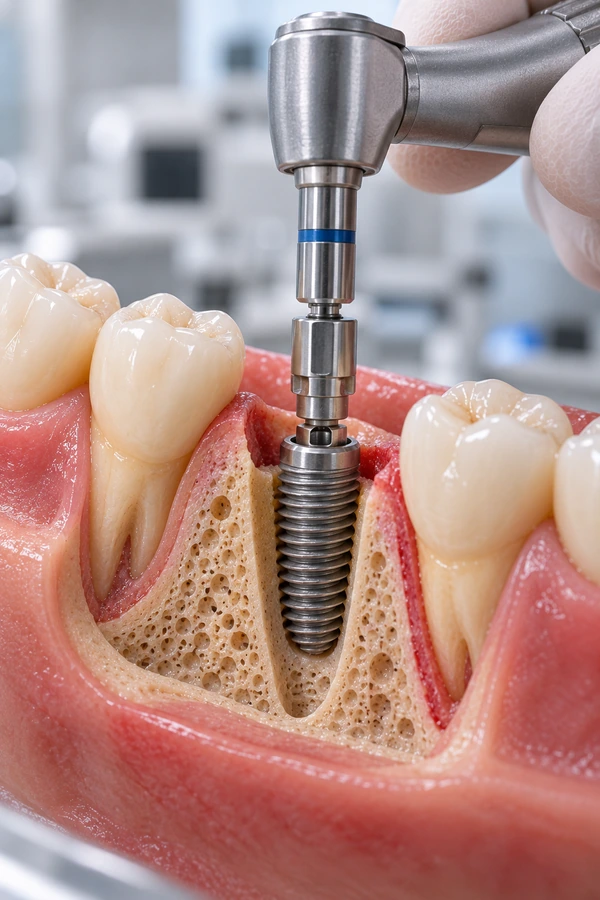
4Replacing what is gone
Implants, bridges or a denture fill the gaps last, fitted into a bite that is already established rather than guessed at.
How Is a Rehabilitation Carried Out?
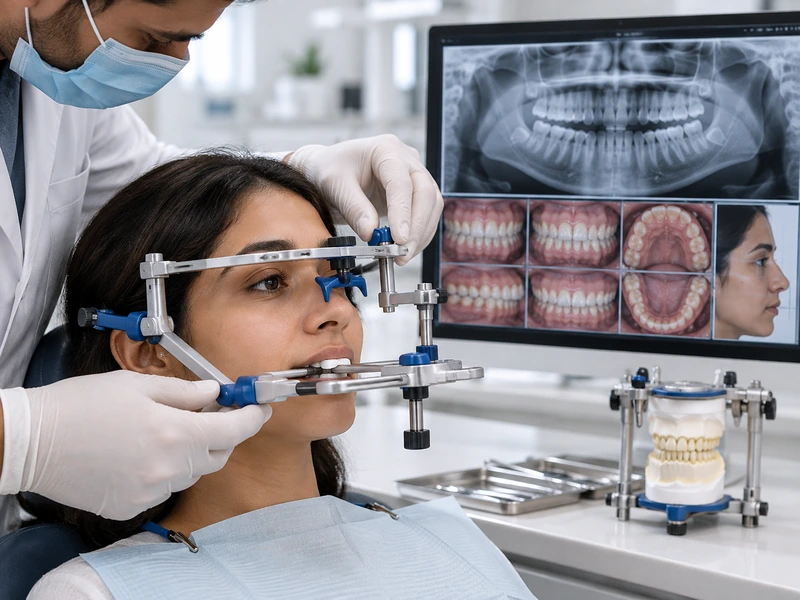
Measuring before anything is touched
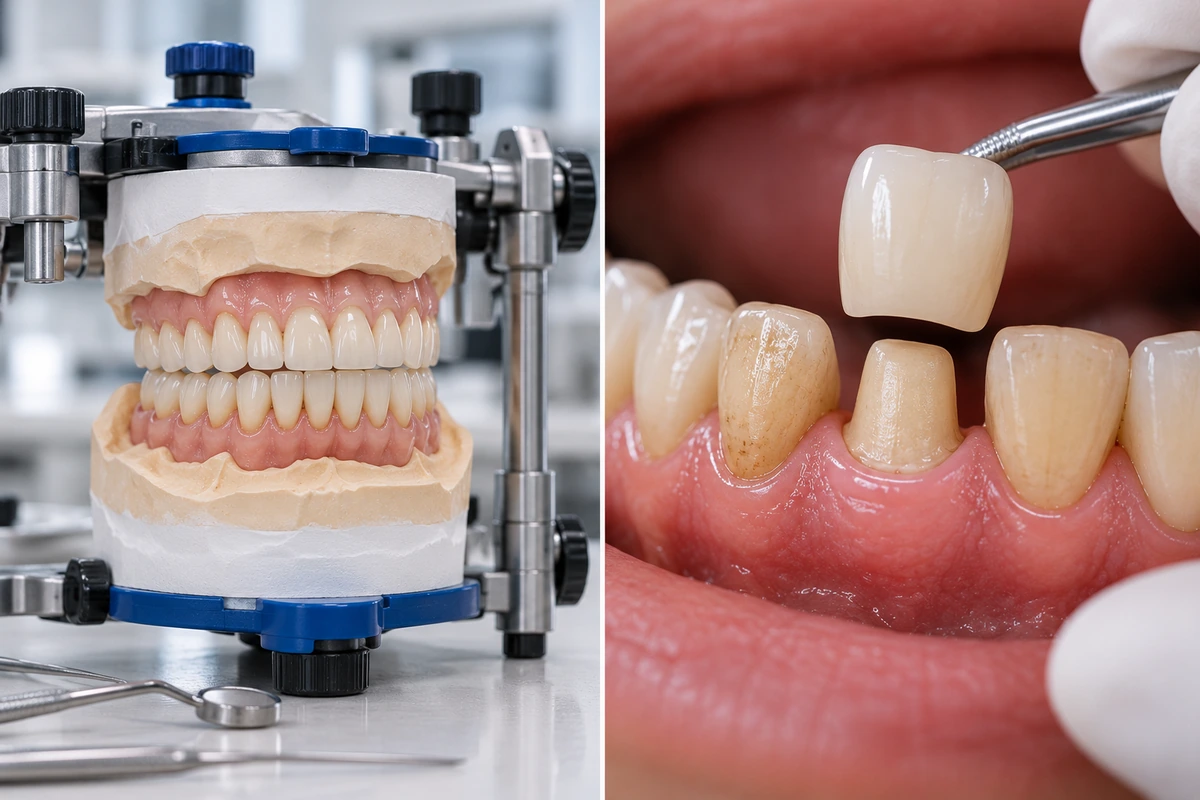
Photographs, X-rays, a 3D scan where the bone matters, and models of both jaws mounted so they can be moved the way your own jaw moves. The plan is worked out on those models, not in the mouth — which tooth is kept, which is replaced, and what height the bite is rebuilt to. This stage takes longer than people expect and it is the reason the rest goes smoothly.
Living with the new bite before it is permanent
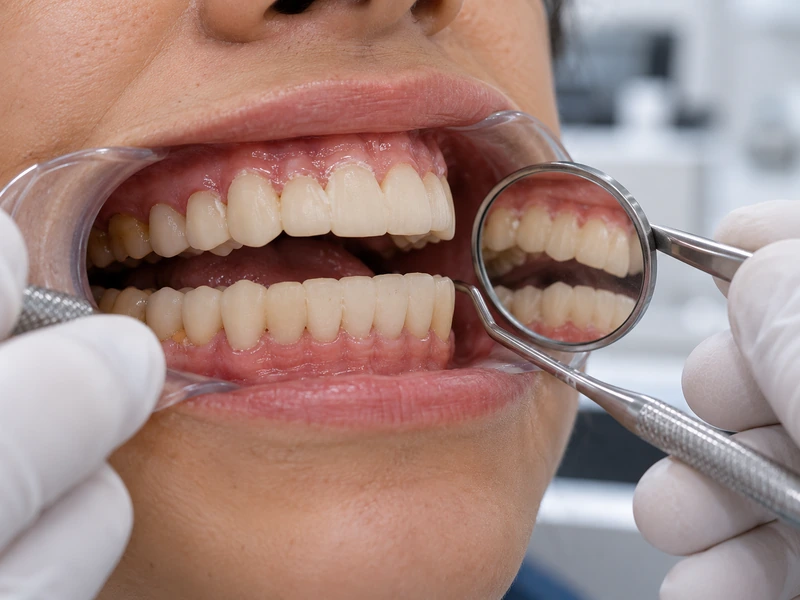
Provisional crowns are made at the planned new height and worn for weeks or months. You eat with them, sleep with them and speak with them, and anything that feels wrong is adjusted in acrylic — which is easy — rather than in ceramic, which is not. Almost every case changes a little at this stage. That is the point of it, and skipping it is how full mouth work goes wrong.
Making it permanent, section by section
Once the trial bite has proved itself, the provisionals are replaced with the definitive crowns, bridges and implant restorations — usually a quadrant or an arch at a time, so there is always a stable bite to check the new work against. The finished shape is copied from the provisionals you have already approved, which is why the result holds no surprises.
Recovery
After a Rehabilitation
The work is finished; the maintenance is not. A rebuilt mouth asks more of its owner than an untouched one, and these four are what protect the investment.
- 1
Wear the night guard
If grinding wore the teeth down the first time, it is still there and it will wear the new ones. A guard is not optional on a rehabilitated mouth — it is the single thing most likely to decide how long the work lasts.
- 2
The first weeks feel different
A new bite height takes some settling into, and the muscles adjust over a few weeks. Speech and chewing normalise quickly. Anything that feels high is adjusted rather than lived with.
- 3
Cleaning takes longer now
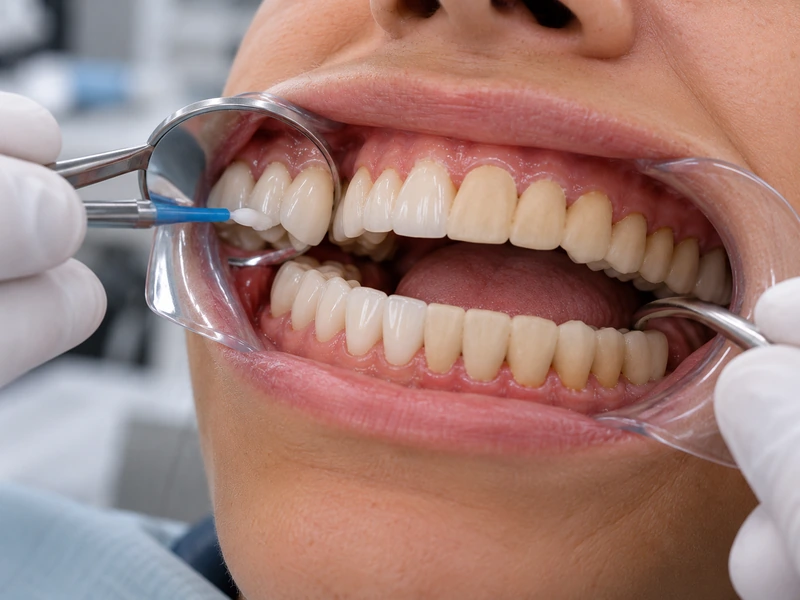
More margins, more crowns and more bridge undersides than before. Interdental brushes and floss threaders are part of the routine from here, not an optional extra.
- 4
Reviews are part of the treatment
More frequent checks for the first year, then settling into a regular pattern. Small things caught early on a rebuilt mouth stay small; the same thing missed undermines a whole quadrant.
How it is sequenced
All at Once vs One Tooth at a Time
Almost everyone arrives here having done it one tooth at a time, because that is how dentistry usually presents itself — something breaks, it gets fixed, and the next thing breaks a year later.
That works while the problems are genuinely separate. It stops working once the bite is involved. Rebuild one worn tooth to its proper height and it now meets the opposing tooth alone, taking a force meant to be shared across the whole arch — so it chips, or it loosens, or the tooth opposite starts to hurt. Fix that one next, and the problem simply moves. A mouth treated this way gets steadily less predictable and steadily harder to keep ahead of, which is the pattern that brings most people to this page.
A rehabilitation is not necessarily done in one block of time, and it rarely is — it is staged over months in an agreed order, with the mouth left stable and functional at every stopping point. What makes it different from one-tooth-at-a-time is that the destination is decided at the start and every stage is built toward it. You can pause a rehabilitation between phases. You cannot un-plan one halfway through.
What Happens at Your First Consultation
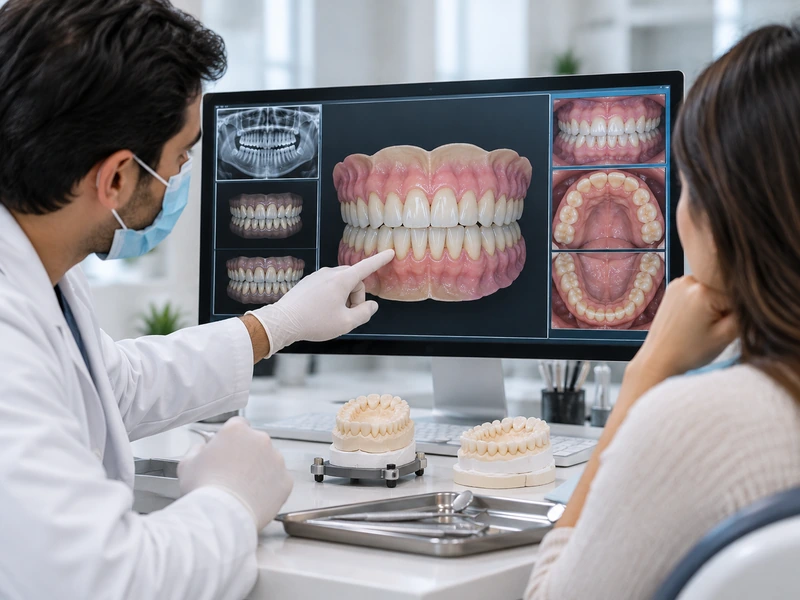
- 1ExaminationEvery tooth, the gums, the jaw joints and how the teeth meet at rest and in movement.
- 2RecordsX-rays, photographs and models of both jaws, so the plan is made on evidence.
- 3Bite analysisWhere the bite has collapsed, and what height it should be rebuilt to.
- 4PlanWhat is kept, what is replaced, the order of work and where it can be paused.
- 5AftercareWhat maintaining a rebuilt mouth involves, including the night guard.
Why us
Why Choose Us for Full Mouth Rehabilitation
- Several specialists on one team: a prosthodontist, an implantologist, an endodontist and a periodontist.
- The whole plan is gone through with you, tooth by tooth, before treatment starts.
- Instruments sterilised and sealed for every patient, under a strict protocol.
- Open every day, 9:30 AM to 9 PM, at two branches in Gajularamaram: Ushodaya Colony and Mallareddy Nagar.
Tooth Pain & Repair
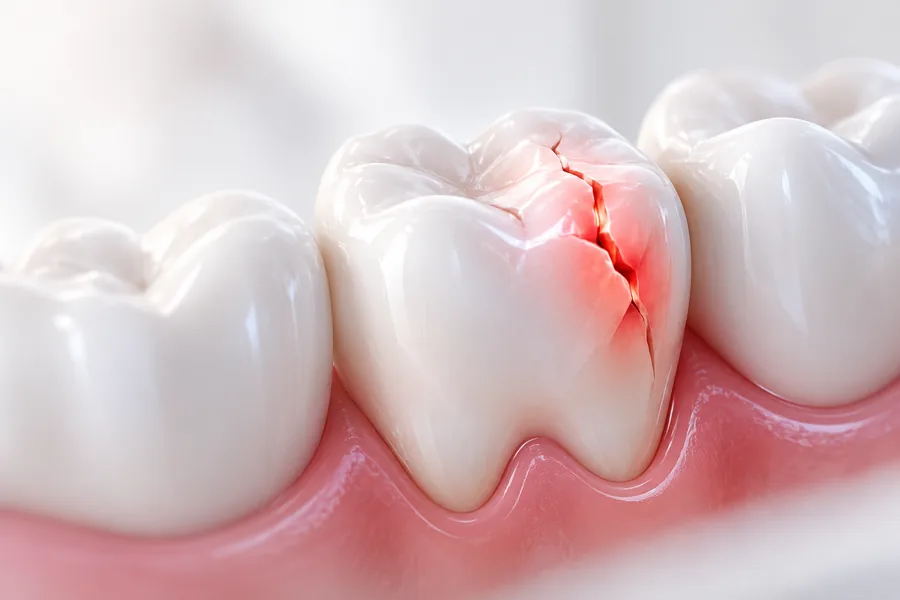
Relief from toothache and repair for decayed, cracked or broken teeth, from fillings and root canals to crowns.
- Root Canal Treatment
- Tooth Sensitivity Treatment
- Cavity Treatment
- Tooth Fillings
- Dental Crowns & Caps
- Wisdom Tooth Removal
- Emergency Dental Care
 learn more
Missing Teeth
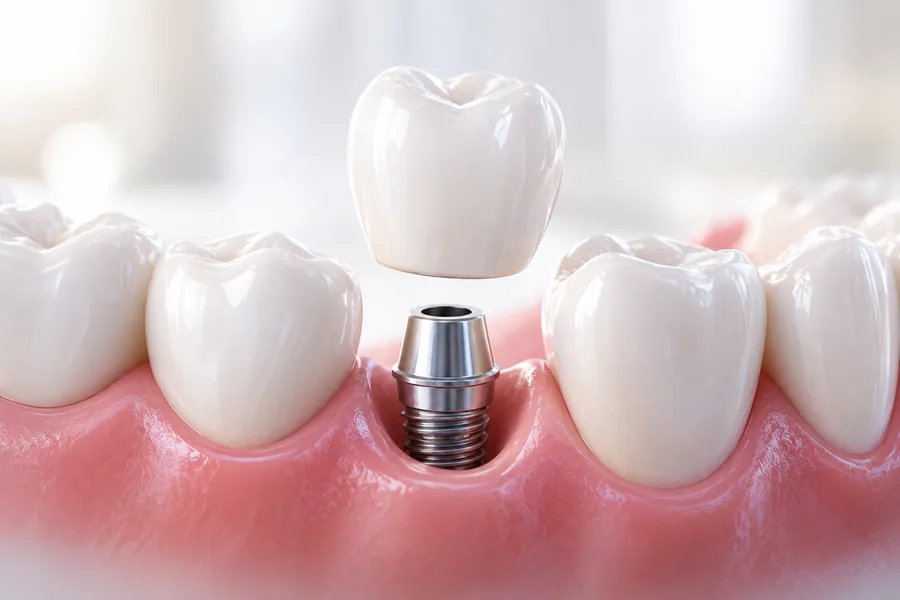
Implants, bridges and dentures to replace missing teeth, planned by our implantologist and prosthodontist.
 learn more
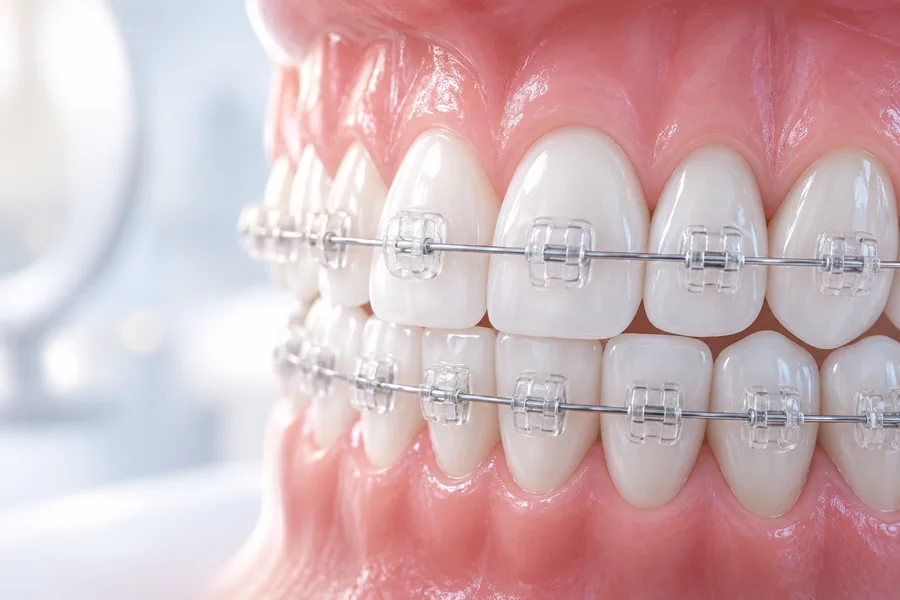
Straightening
Braces and Illusion clear aligners for crooked or gapped teeth, planned by our orthodontist for children and adults.
 learn more
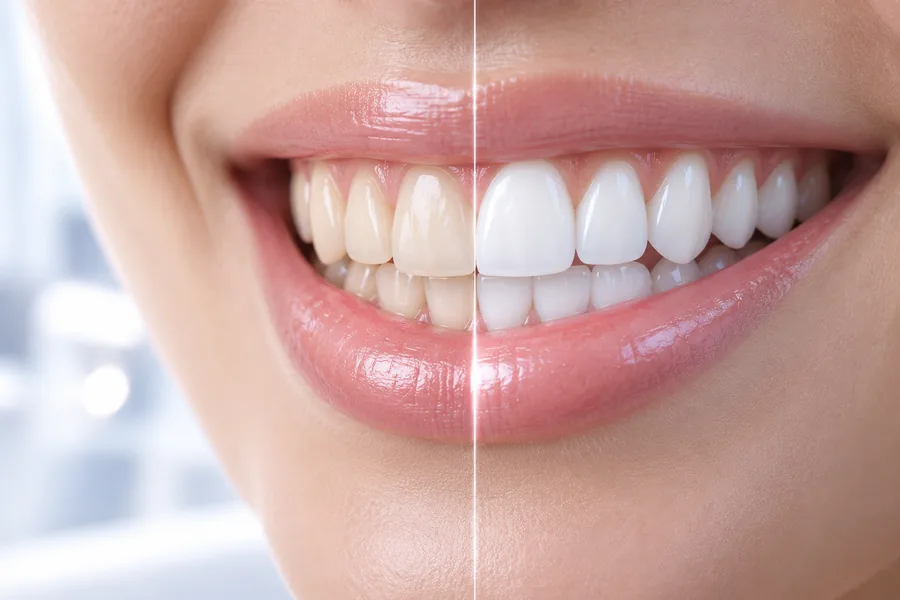
Cosmetic
Whitening, veneers, bonding and smile makeovers to improve the colour and shape of your smile, led by our cosmetic dentist.
 learn more
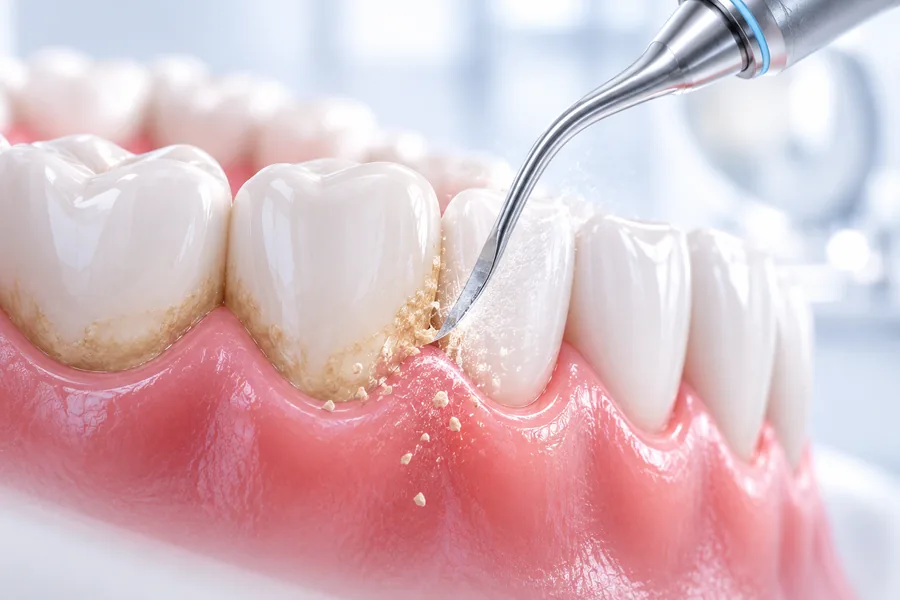
Gums & Cleaning
Cleaning, gum treatment and laser care for bleeding gums and bad breath, from our periodontist.
 learn more
Kids & Family
Gentle check-ups, fluoride and sealants for children with our pedodontist, and routine check-ups for the whole family.






Verified Google Reviews
Excellent
Based on 238 reviews
Harsha Vardhini
2026 · Google
I highly recommend Dr. Roja! She is incredibly kind, patient, and caring. I’ve had a root canal and multiple fillings done by her, and every procedure was completely painless. She explains everything clearly, makes you feel comfortable, and ensures you’re at ease throughout the treatment. Her gentle approach and professionalism make every visit a great experience. If you’re looking for a skilled dentist who truly cares about her patients, Dr. Roja is an excellent choice!
akk reddy
2026 · Google
I had a great experience with Dr. Roja madam. She is a very good doctor and extremely patient-friendly. I was suffering from a tooth cavity, and she suggested a root canal treatment. After starting the treatment, my tooth pain completely disappeared. The cap fitting was also very comfortable and flexible. Overall, I am very satisfied with the treatment and care provided. Thank you so much
Mamidisetti Siva
2026 · Google
I had a very good experience at this dental clinic. The treatment was excellent, and the staff were very friendly and supportive. Even after the treatment, they took great care by calling me, checking on my recovery, and asking me to come for follow-up visits. I really appreciate their concern and professionalism. Highly recommended.
BHARATH GUNDEBOINA
2026 · Google
Had a great experience with teeth replacement treatment. Dr. Roja mom explained everything clearly and the procedure was smooth and painless. The results look very natural and I’m extremely happy with my new smile. Highly recommended..thank you….
venkannababuk venki
2026 · Google
Madam provides very good dental treatment. She explains everything clearly and patiently whenever I have any doubts. I am very satisfied with the treatment and the way she cares for patients. Thank you, SR Dental.
Near you
Full Mouth Rehabilitation Near You in Gajularamaram
If you have been searching for full mouth rehabilitation near you, the first appointment is not treatment — it is measurement. Photographs, X-rays and mounted models of how your teeth actually meet are what a real plan is built from, and no honest answer about what your mouth needs can be given before that exists.
It is also worth coming in before the next thing breaks rather than after. Every tooth lost while a mouth is deteriorating narrows what the rebuild can be, and some options close permanently once the bone under a gap has gone.
77020 95262Gajularamaram
Contact
Reach out to schedule your next dental visit
Whether you have a question, need expert advice, or are ready to book your next appointment, our team is here to help.
Reach out to us on
- Phone Number 77020 95262
- Email address srdentalcare48@gmail.com
- Location Hospital Phase 2, Plot No:100/N, behind UMCC Road, Chandragiri Nagar, Ushodaya Colony, Indira Nagar, Gajularamaram, Hyderabad, Telangana, 500055
Working Hours
- Mon – Sun:
- 9:30 AM – 9:00 PM
FAQs
Frequently asked questions about full mouth rehabilitation
Still have a dental question?
Send us a message and our dental team will help.
How long does full mouth rehabilitation take?
Typically six to eighteen months, depending on how much is being rebuilt and whether implants are involved, because bone needs months to heal around them. Much of that time is waiting rather than appointments. The trial bite phase is deliberately unhurried — it is doing real work even though nothing seems to be happening.
Does it have to be done all at once?
No, and it usually is not. It is staged in an agreed order, and the mouth is left stable and functional at every stopping point, so it can be paused between phases if life gets in the way. What matters is that the whole plan is made at the start — pausing a planned rehabilitation is fine, improvising one is not.
Will I be without teeth at any point?
No. Provisional crowns and temporary replacements are in place throughout, and they are made to look like teeth rather than like placeholders. Most people go through an entire rehabilitation without anyone noticing anything is happening.
Is it painful?
Individually, no more than the treatments it is made of — crowns, root canals, extractions and implants are each done under local anaesthetic. What people find tiring is the length rather than the discomfort, which is why the order is planned so that the most demanding work is not stacked together.
How long will the new work last?
Crowns and bridges commonly last ten to fifteen years and often longer; implants can last decades. On a rehabilitated mouth the deciding factors are the night guard and the cleaning, not the materials. Work that is protected from grinding and kept clean at the margins lasts a very long time; the same work without those two does not.
What if I only want the front teeth done?
That is a reasonable question and sometimes a reasonable answer. But if the back teeth have lost height, the front teeth are taking forces they were never designed for, and rebuilding only what shows puts the whole load on the newest and most visible work. The examination will tell you honestly which of the two situations you are in.