
Gum Disease Treatment in Gajularamaram
- 14+Years of experience
- 50,000+Patients treated
- 4.9Google rating
- two to four visits
- then re-measured at three months
- Mon – Sun: 9:30 AM – 9:00 PM
What Is Gum Disease?
Gum disease is infection and inflammation of the tissue holding the teeth in the jaw. It begins as bleeding gums, which is the stage almost everyone has had at some point, and progresses — slowly, over years, and almost entirely without pain — to the loss of the bone around the roots. It is still widely called pyorrhoea, and it is the commonest reason adults lose teeth.
What drives it is the same deposit a cleaning removes. Plaque left at the gum margin hardens, holds bacteria against the gum, and the gum responds by becoming inflamed. If it stays there, the inflammation works downwards: the gum detaches slightly from the tooth, a pocket forms that no toothbrush can enter, deposit collects inside it, and the process becomes self-feeding. Bone is resorbed away from the infection as the body retreats from it.
The reason it is so often caught late is that none of this hurts. There is no toothache, nothing swells until quite late, and the bleeding is intermittent enough to be explained away as brushing too hard. By the time a tooth feels loose, a great deal of the support around it has already gone. That is why this page is largely about measurement: the only way to know what stage you are at is for somebody to put a probe around every tooth and write the numbers down.
Non-Surgical First, Surgery Only If It Is Needed
Non-Surgical Treatment
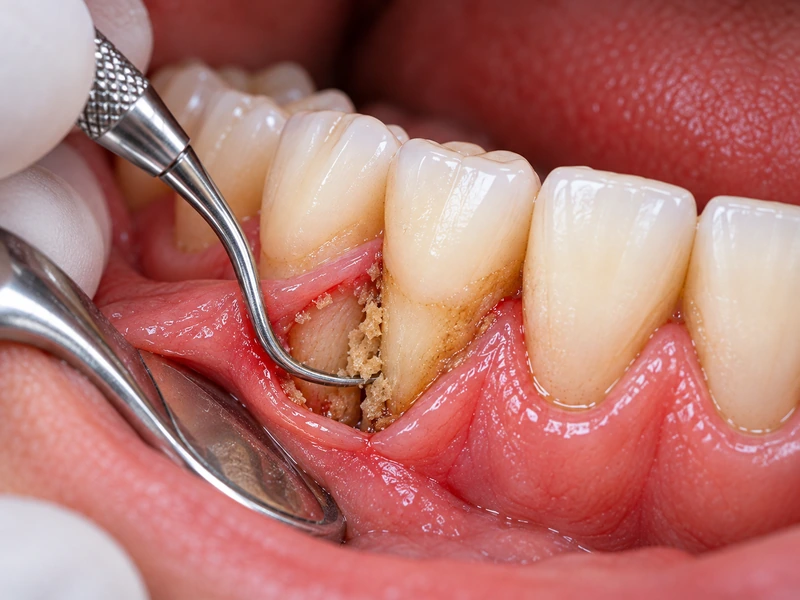
Deep cleaning below the gum line — scaling and root planing — with the area numbed and the mouth treated in sections across two to four visits. The root surfaces inside each pocket are cleaned and smoothed so the gum can tighten back against the tooth. The large majority of cases are brought under control here and never need anything more. A laser is used alongside this in some clinics; what it does and does not add has its own page.
Surgical Treatment
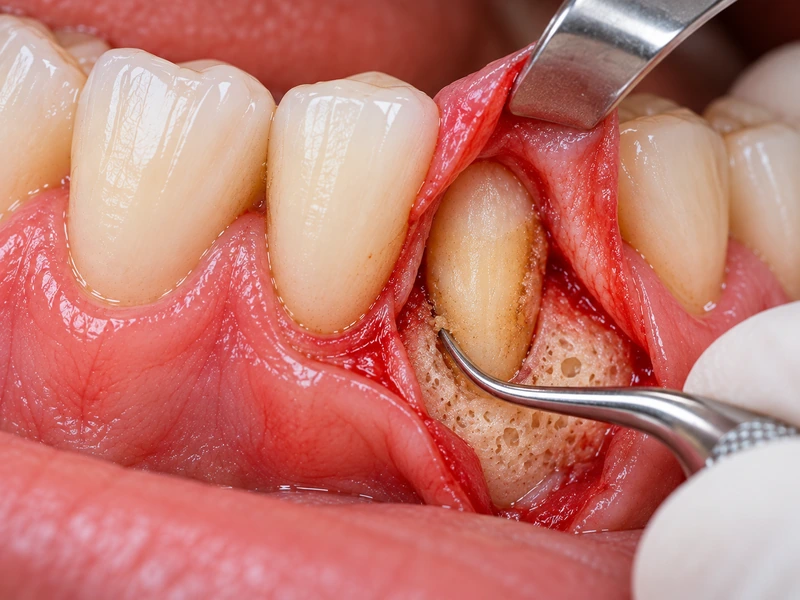
For pockets that are still deep after proper non-surgical treatment and genuinely good cleaning at home. The gum is lifted so the root can be seen rather than felt, the pocket is reduced, and in certain bone defects the lost support can partly be regenerated with a graft. It is the second step and it should never be the opening offer — surgery on a mouth that has not had the first stage done properly tends to fail for the same reasons the first stage would have.
The Signs of Gum Disease
Gum disease is painless almost all the way through, which is why it is usually found rather than reported. These are the signs worth acting on.
- Gums that bleed when you brushThe first sign and the most dismissed. Healthy gums do not bleed — bleeding is inflammation, every time.
- Red, puffy or tender gumsGum that looks shiny and swollen rather than firm and pale pink, or that is sore to touch at the margin.
- A taste or a smell that keeps returningFresh after brushing and back by mid-morning, from bacteria sitting in pockets that no brush reaches.
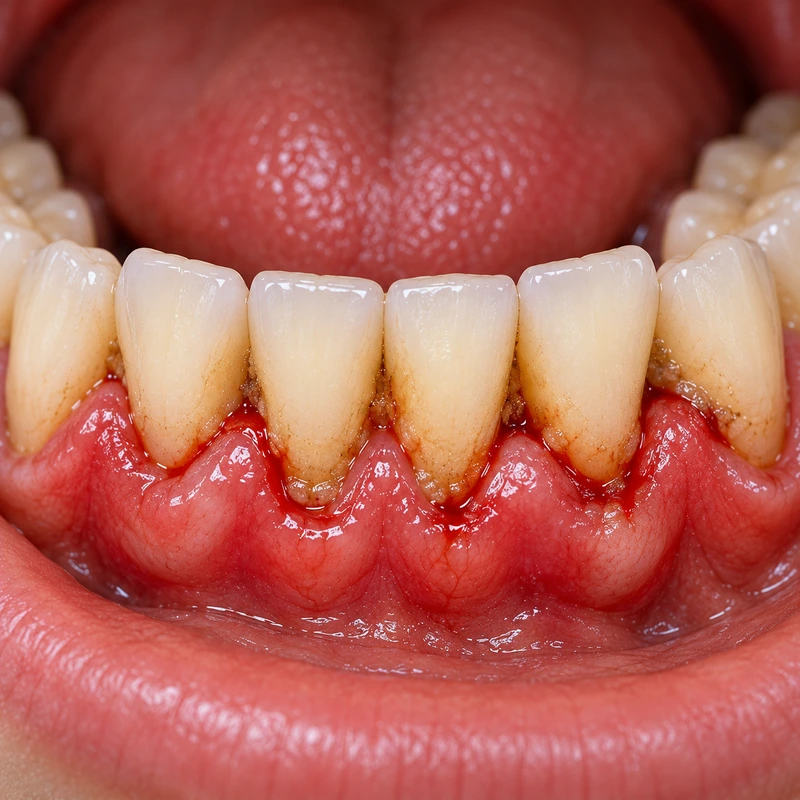
- Gums shrinking backTeeth that look longer than they did, roots showing at the gum line, or dark triangles opening between them.
- New spaces between the teethFront teeth that were tight against each other beginning to drift apart, or a tooth that has moved forward.
- A tooth that feels loose, or a bite that has changedThe late sign, and the one that means bone has already been lost. It is still worth acting on — but far less is recoverable.
Options
What Treatment Involves
Which of these you need is decided by the measurements, not by how bad the gums look. Most people need only the first.
 1
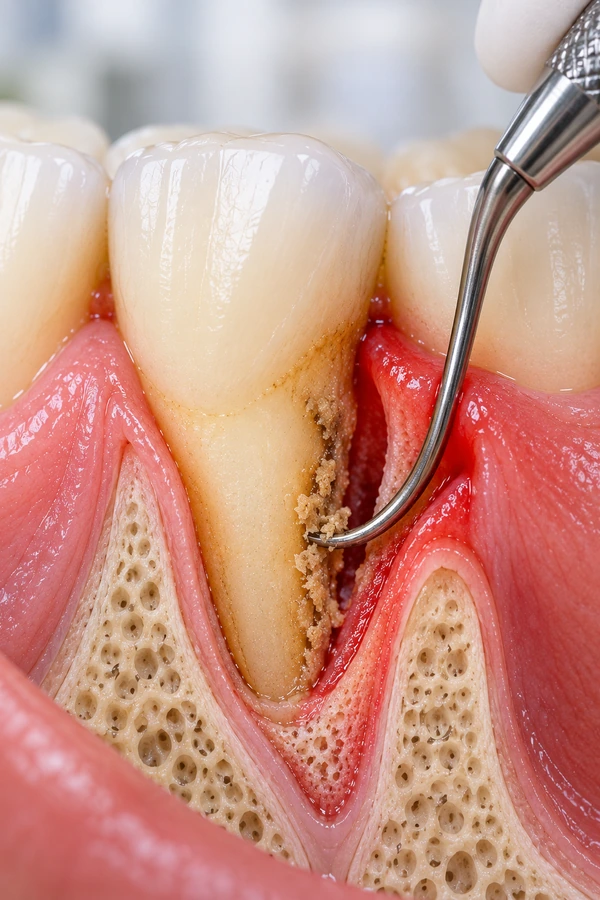
1Deep cleaning below the gum
Scaling and root planing: every pocket entered, the root surface cleaned and smoothed, the area numbed first. This is the treatment for gum disease — everything else on this list is either an addition to it or a response to it not having been enough.
 2
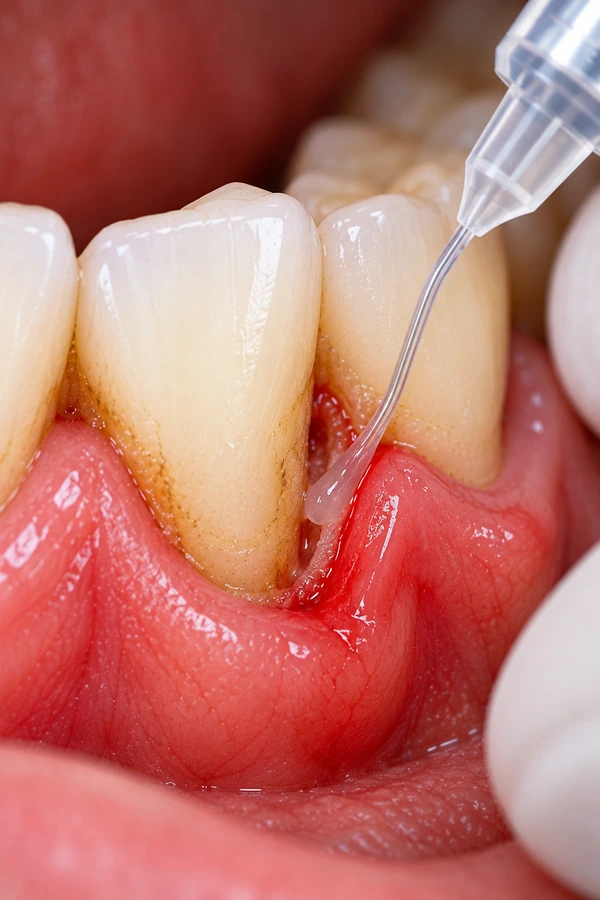
2Antimicrobials, where they help
A gel or fibre placed directly into a pocket that has not responded, or a short course of a rinse. They are useful in specific pockets and specific cases. They are not a substitute for cleaning the root, and antibiotic tablets are rarely the answer for ordinary gum disease.
 3
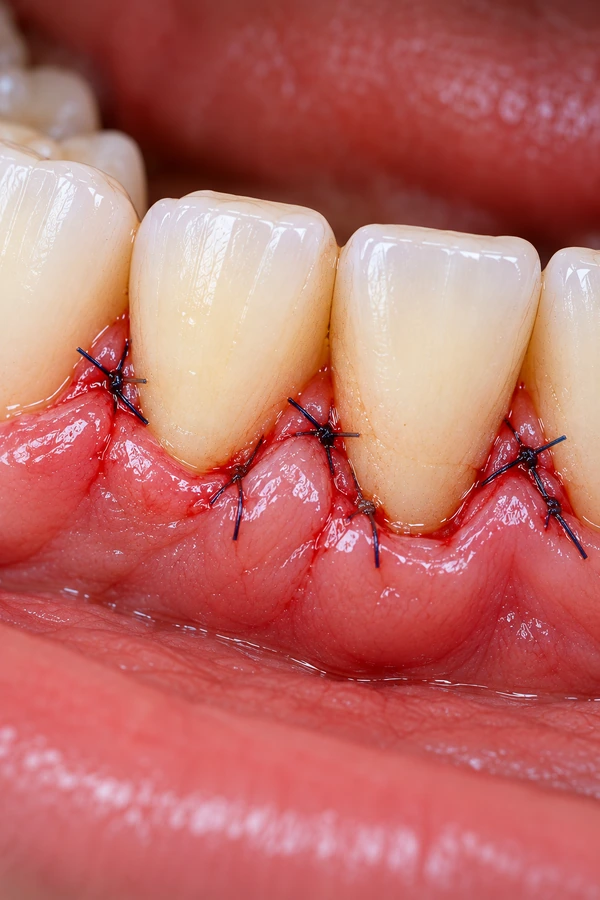
3Pocket reduction surgery
Where pockets stay deep after non-surgical treatment. The gum is lifted back, the root is cleaned under direct vision, irregular bone is reshaped, and the gum is stitched back at a lower level so the pocket is shallow enough to clean at home.
 4
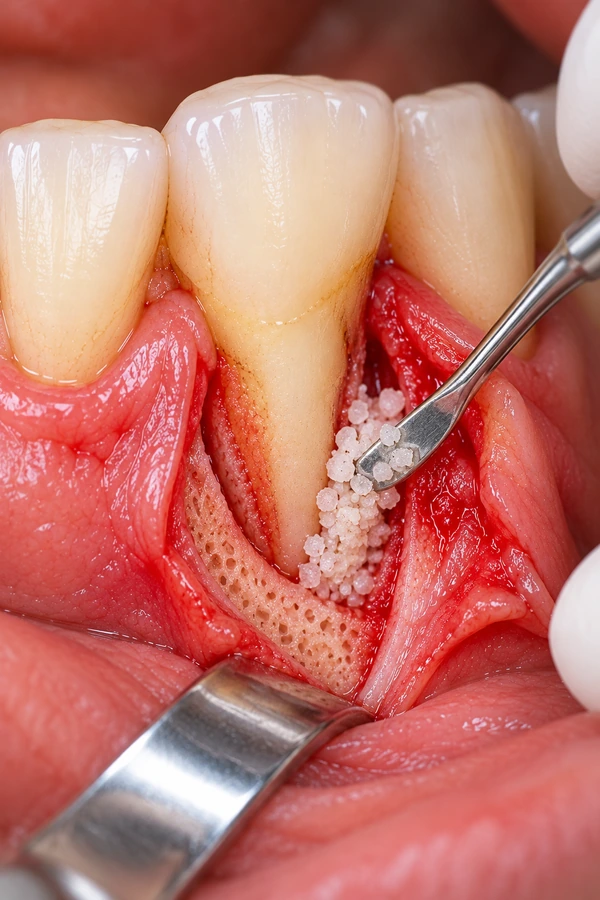
4Grafting — gum or bone
Tissue taken or placed to cover roots that have become exposed and sensitive, or graft material packed into certain bone defects where regrowth is realistic. Not every defect can be rebuilt; the shape of the one you have decides it, and an honest answer on that comes before the procedure.
How Is Gum Disease Treated?
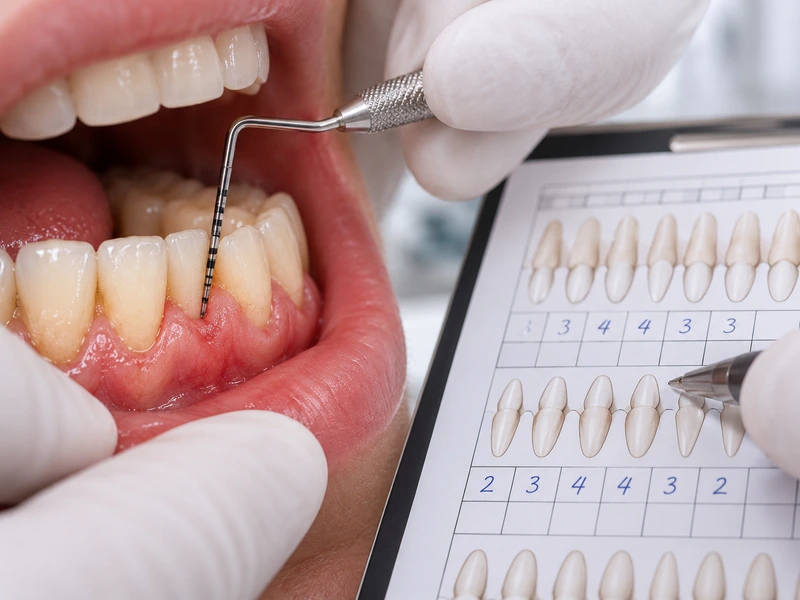
The diagnosis is a set of numbers
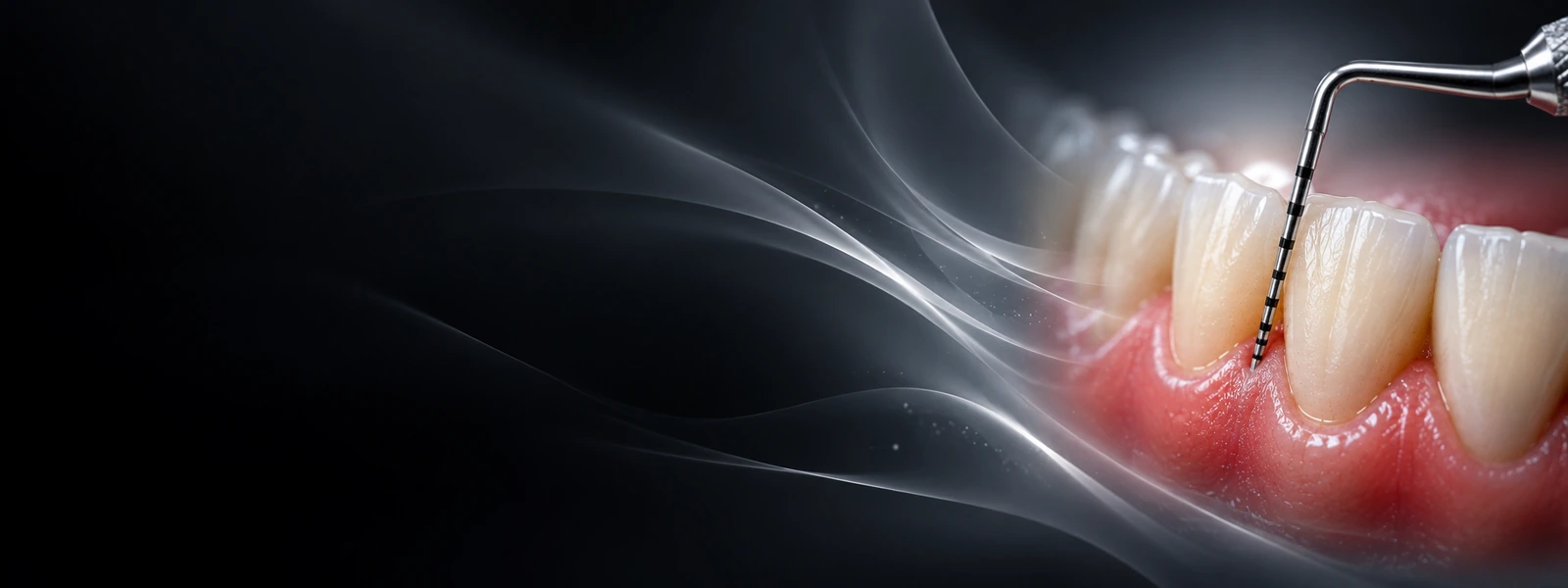
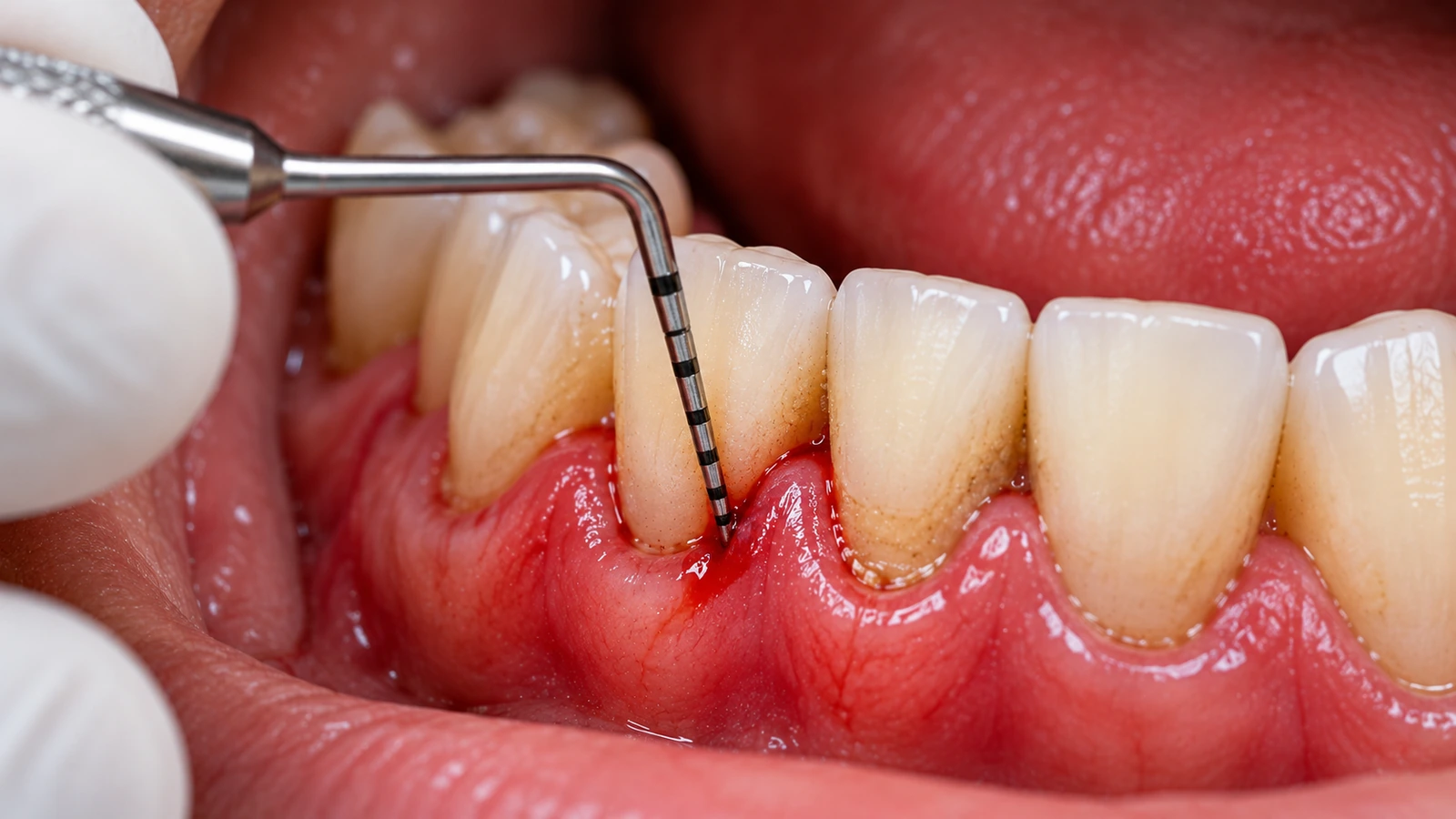
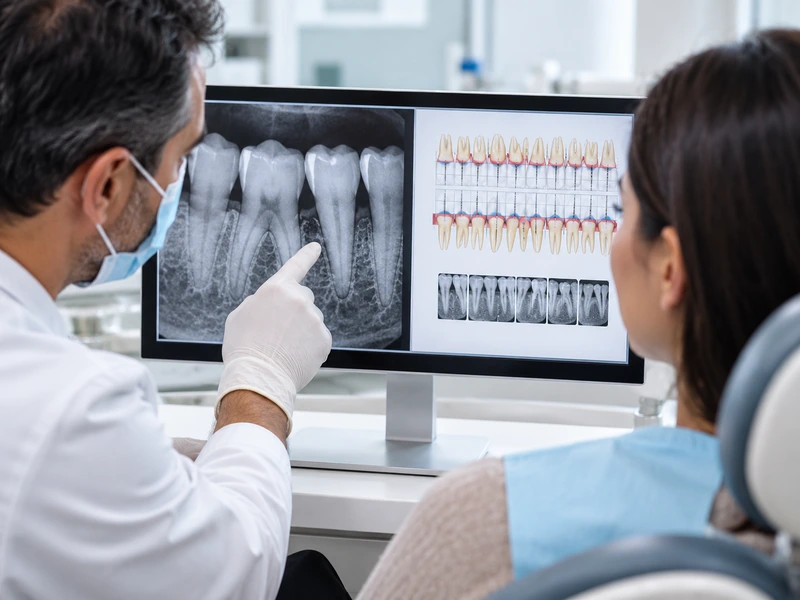
A blunt probe is walked around every tooth and the depth of the cuff between gum and tooth is recorded at six points on each — along with where it bleeds, how far the gum has receded, and whether any tooth moves. X-rays show the bone level beside each root, which is the part that cannot be seen or felt. Together these say which stage the disease has reached and how fast it appears to be moving. It matters that this is written down, because everything afterwards is judged against it.
Cleaning inside the pockets
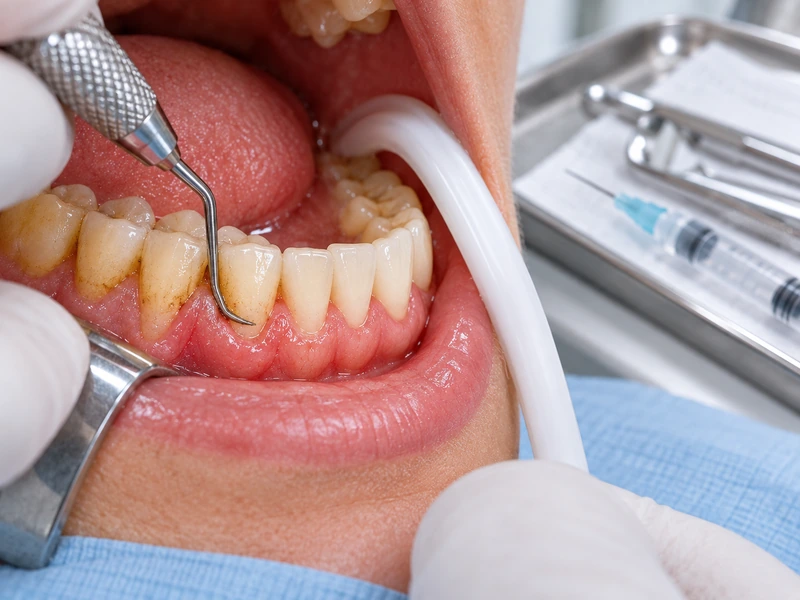
The area is numbed properly — this is not the appointment to be brave about — and the pockets are cleaned with ultrasonic tips and fine hand instruments, working on the root surface below the gum by feel. It is done in sections, usually a quarter or a half of the mouth at a time, at roughly an hour each. Expect the gums to be sore for a few days afterwards and the teeth to be sensitive to cold for rather longer than that.
The appointment that proves it worked
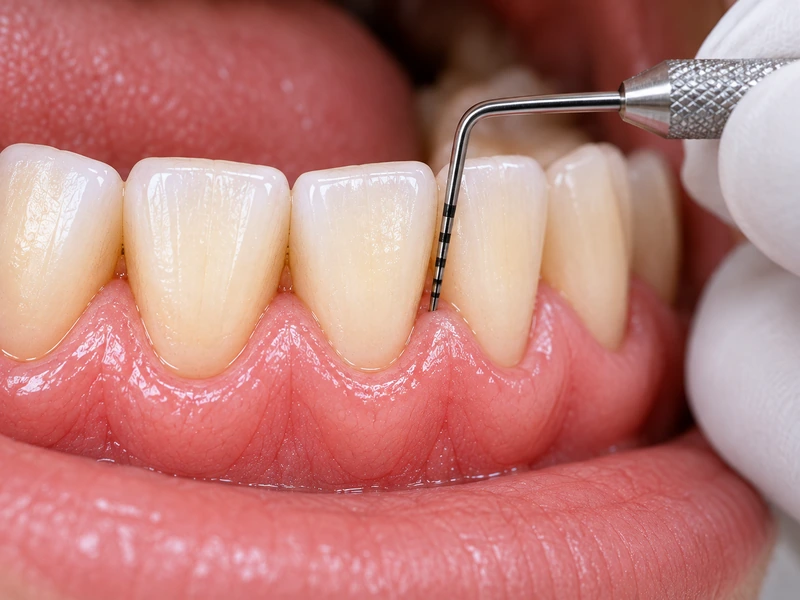
Eight to twelve weeks later the gums are charted again, tooth by tooth, against the first set of numbers. Pockets that have tightened and stopped bleeding are the result you wanted, and those teeth move to a maintenance interval. Pockets still deep and still bleeding are the ones that decide whether anything further is needed, and where. This visit is the most skipped appointment in dentistry and the most important one on this page: without it, nobody — including the dentist — actually knows whether the treatment worked.
Recovery
After Treatment
Deep cleaning is a real procedure and the days after it feel like one. Four things to expect.
- 1
Sore for a few days
Tender gums and aching where the anaesthetic has worn off, settling over three or four days. Ordinary painkillers are enough, warm salt-water rinses help after the first day, and soft food for a day or two is sensible.
- 2
Cold sensitivity, for weeks not days
Root surfaces that were coated in deposit are now clean and exposed, and they feel it. A sensitive toothpaste used properly — rubbed on the necks of the teeth, not just brushed with — makes the biggest difference.
- 3
The gums will shrink a little
As the swelling goes down, the gum settles at its true level. Teeth can look longer and small spaces may open between them. That is what healing looks like here, and it is the exchange for keeping the teeth in the jaw.
- 4
Cleaning between the teeth is now the treatment
Interdental brushes in the right sizes, every day, matter more from this point than anything done in the chair. The clinic removes what has formed; only you stop it forming again.
The line you cross once
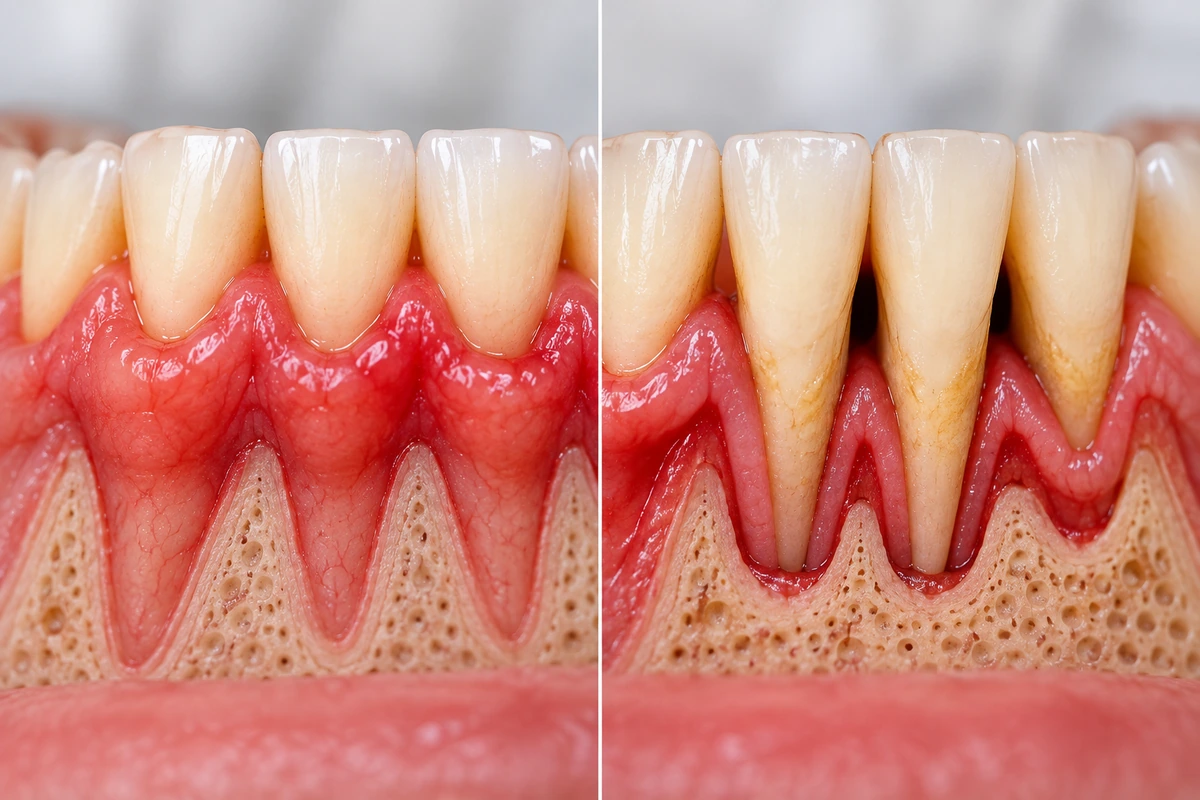
Gingivitis vs Periodontitis
Both are called gum disease, and only one of them can be undone. The difference between them is whether the bone holding the tooth has started to disappear.
Gingivitis is inflammation of the gum alone. Gums bleed, look red and feel puffy, and nothing has been permanently lost. A thorough cleaning and two weeks of genuinely good brushing along the gum line clears it completely — the gums go back to firm and pale and stop bleeding. Most adults have some of it at any given time, and it is entirely reversible.
Periodontitis is the same inflammation once it has reached the bone. The body resorbs bone away from the infection, the gum detaches from the root, and a pocket forms that can no longer be cleaned with a brush. Treatment can stop the process and hold it stopped for decades — but bone that has gone does not come back, other than in a few particular defects where grafting can regain part of it. Every millimetre lost is lost.
That is the whole reason bleeding matters more than it looks. It is the one stage at which everything is still recoverable, and it is painless, which is why it is ignored for years. Gum disease — not decay — is the commonest reason adults lose teeth, and almost nobody loses a tooth to it without having watched their gums bleed first.
What Happens at Your First Gum Consultation
- 1ExaminationThe gums, the teeth and the bite, and a look at what has changed since you noticed it.
- 2ChartingSix measurements around every tooth, plus bleeding, recession and any movement.
- 3X-raysThe bone level beside each root — the part of the diagnosis nothing else can show.
- 4The stage, and the planHow far it has gone, what treatment it needs, and plainly what cannot be undone.
- 5AftercareHow the mouth is kept stable afterwards, and how often you will need to be seen.
Why us
Why Choose Us for Gum Disease Treatment
- A periodontist, Dr. A. Rithesh Kumar (MDS), a gum specialist, is part of our team.
- Your gums are examined and the stage of the disease explained in plain words before treatment.
- Instruments sterilised and sealed for every patient, under a strict protocol.
- Open every day, 9:30 AM to 9 PM, at two branches in Gajularamaram: Ushodaya Colony and Mallareddy Nagar.
Tooth Pain & Repair
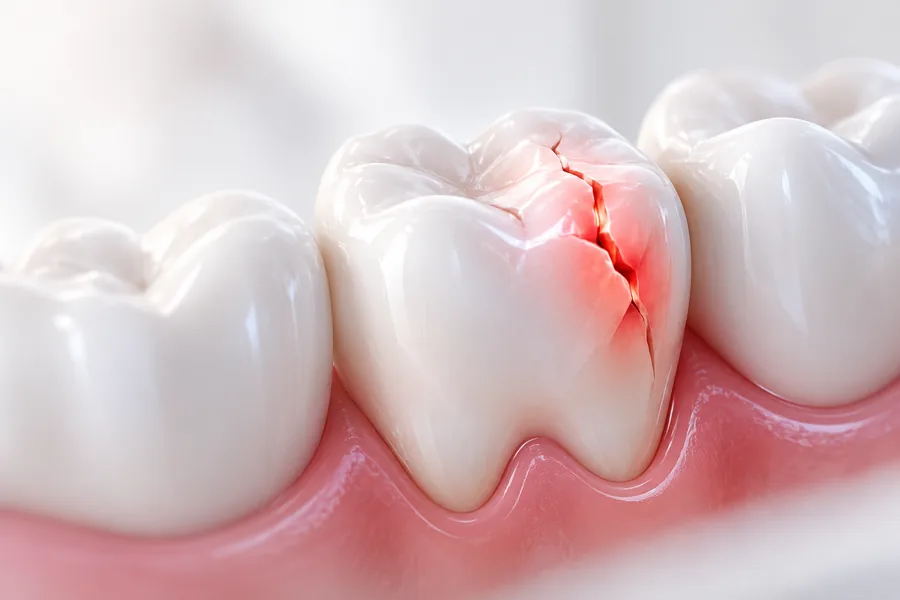
Relief from toothache and repair for decayed, cracked or broken teeth, from fillings and root canals to crowns.
- Root Canal Treatment
- Tooth Sensitivity Treatment
- Cavity Treatment
- Tooth Fillings
- Dental Crowns & Caps
- Wisdom Tooth Removal
- Emergency Dental Care
 learn more
Missing Teeth
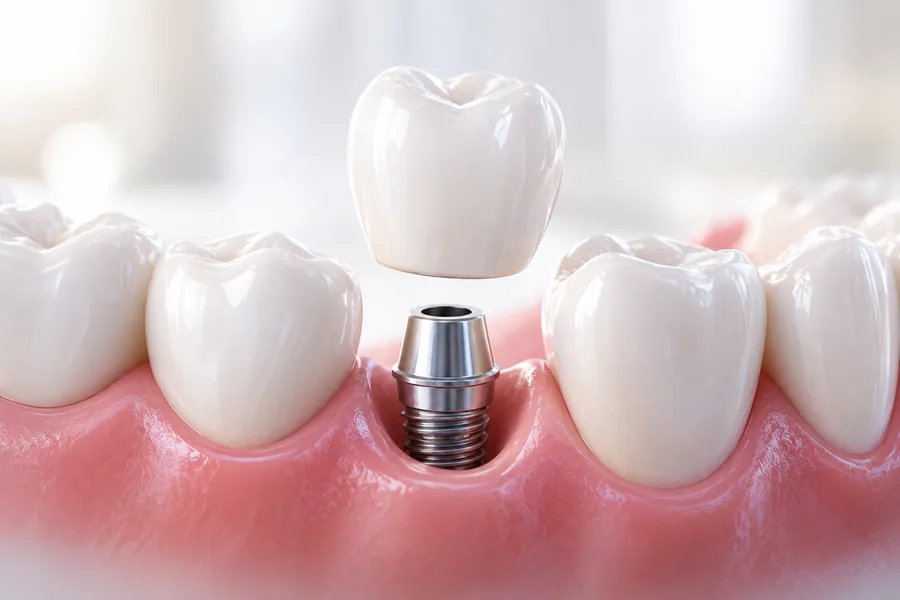
Implants, bridges and dentures to replace missing teeth, planned by our implantologist and prosthodontist.
 learn more
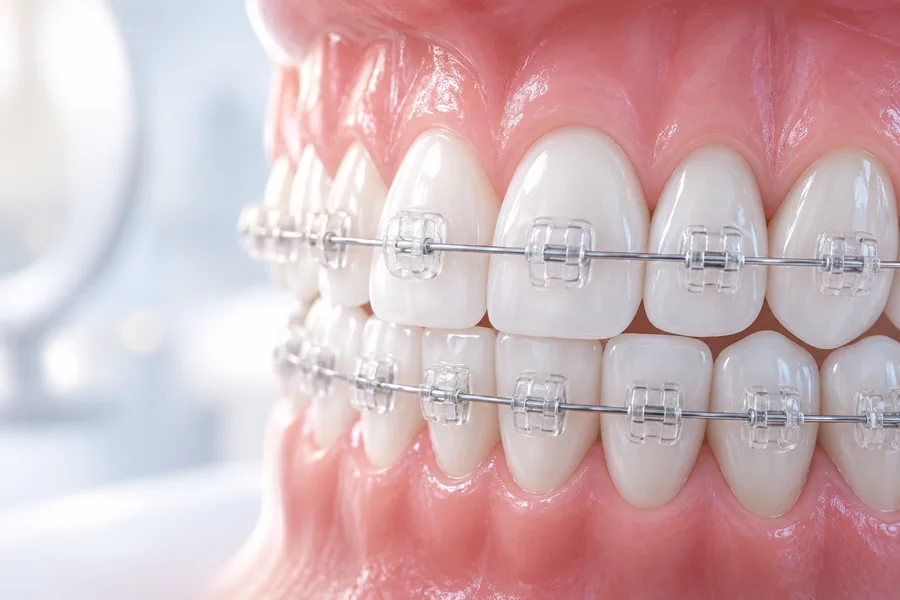
Straightening
Braces and Illusion clear aligners for crooked or gapped teeth, planned by our orthodontist for children and adults.
 learn more
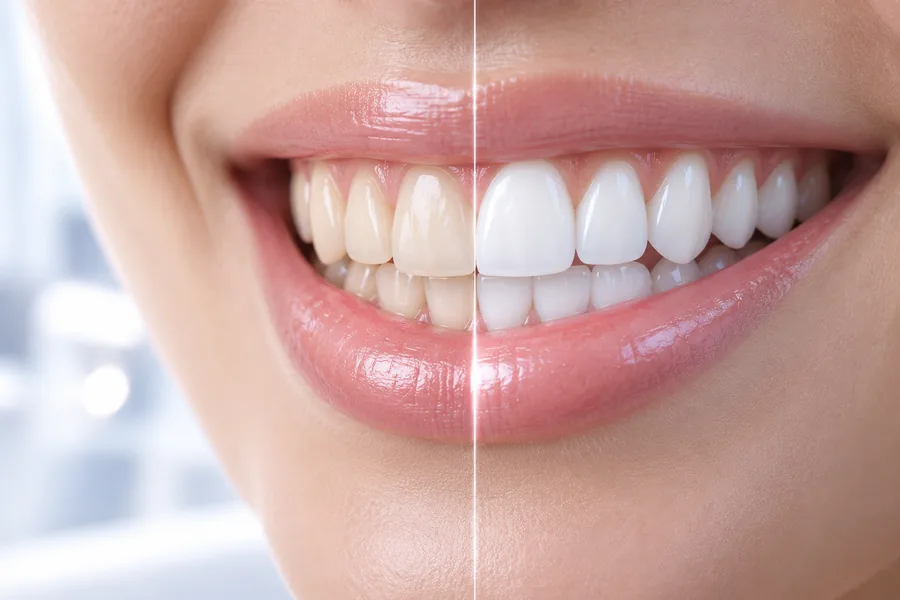
Cosmetic
Whitening, veneers, bonding and smile makeovers to improve the colour and shape of your smile, led by our cosmetic dentist.
 learn more
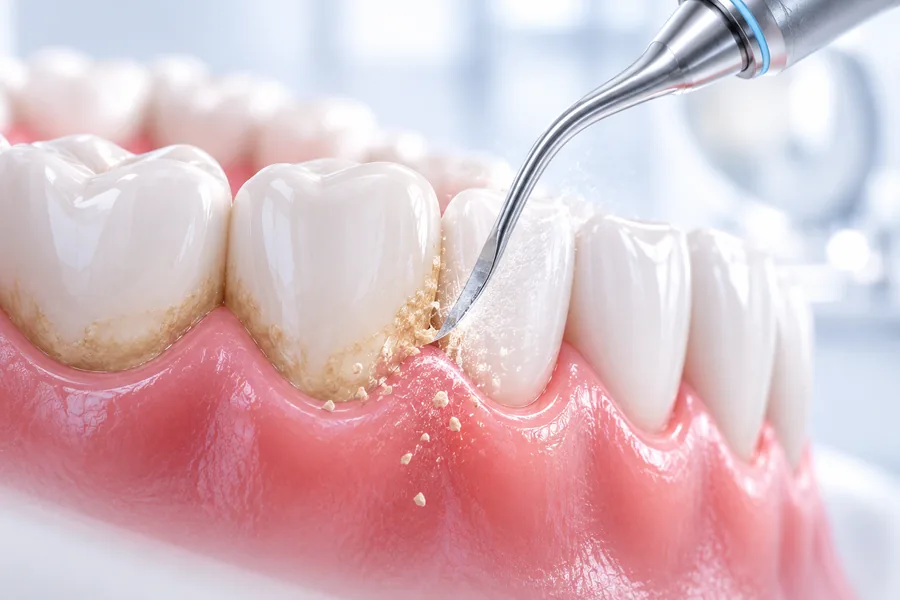
Gums & Cleaning
Cleaning, gum treatment and laser care for bleeding gums and bad breath, from our periodontist.
 learn more
Kids & Family
Gentle check-ups, fluoride and sealants for children with our pedodontist, and routine check-ups for the whole family.






Verified Google Reviews
Excellent
Based on 238 reviews
Harsha Vardhini
2026 · Google
I highly recommend Dr. Roja! She is incredibly kind, patient, and caring. I’ve had a root canal and multiple fillings done by her, and every procedure was completely painless. She explains everything clearly, makes you feel comfortable, and ensures you’re at ease throughout the treatment. Her gentle approach and professionalism make every visit a great experience. If you’re looking for a skilled dentist who truly cares about her patients, Dr. Roja is an excellent choice!
akk reddy
2026 · Google
I had a great experience with Dr. Roja madam. She is a very good doctor and extremely patient-friendly. I was suffering from a tooth cavity, and she suggested a root canal treatment. After starting the treatment, my tooth pain completely disappeared. The cap fitting was also very comfortable and flexible. Overall, I am very satisfied with the treatment and care provided. Thank you so much
Mamidisetti Siva
2026 · Google
I had a very good experience at this dental clinic. The treatment was excellent, and the staff were very friendly and supportive. Even after the treatment, they took great care by calling me, checking on my recovery, and asking me to come for follow-up visits. I really appreciate their concern and professionalism. Highly recommended.
BHARATH GUNDEBOINA
2026 · Google
Had a great experience with teeth replacement treatment. Dr. Roja mom explained everything clearly and the procedure was smooth and painless. The results look very natural and I’m extremely happy with my new smile. Highly recommended..thank you….
venkannababuk venki
2026 · Google
Madam provides very good dental treatment. She explains everything clearly and patiently whenever I have any doubts. I am very satisfied with the treatment and the way she cares for patients. Thank you, SR Dental.
Near you
Gum Disease Treatment Near You in Gajularamaram
If you have been searching for gum disease treatment near you, the thing to ask about when you ring is charting. A clinic that treats gum disease properly measures six points around every tooth before starting and measures them again afterwards, and can tell you both sets of numbers. Treatment without measurement is guesswork with instruments.
It is also worth knowing that bleeding gums are not a small thing to bring up and not a waste of an appointment. It is the stage where the whole problem can still be reversed, and it is the reason to come in rather than to wait until something feels loose.
77020 95262Gajularamaram
Contact
Reach out to schedule your next dental visit
Whether you have a question, need expert advice, or are ready to book your next appointment, our team is here to help.
Reach out to us on
- Phone Number 77020 95262
- Email address srdentalcare48@gmail.com
- Location Hospital Phase 2, Plot No:100/N, behind UMCC Road, Chandragiri Nagar, Ushodaya Colony, Indira Nagar, Gajularamaram, Hyderabad, Telangana, 500055
Working Hours
- Mon – Sun:
- 9:30 AM – 9:00 PM
FAQs
Frequently asked questions about gum disease treatment
Still have a dental question?
Send us a message and our dental team will help.
Can gum disease be cured?
Gingivitis can — it clears completely and leaves nothing behind. Periodontitis cannot be cured, but it can be stopped and held stopped for the rest of your life, which in practice is what matters. What treatment cannot do is give back bone that has already gone. That is why the stage at which you are seen decides so much, and why bleeding gums are worth an appointment rather than a wait.
Will I lose my teeth?
Most people who are treated and who keep up the maintenance do not. Teeth with reasonable bone support left around them can last decades once the disease is under control, even when some support has already been lost. The teeth genuinely at risk are those where the bone has gone furthest and where the disease is still active — and which ones those are is something the charting and X-rays can tell you specifically rather than in general.
Is deep cleaning painful?
The treatment itself should not be, because the area is numbed first — and it is worth taking the anaesthetic even if you normally decline it, since the work is below the gum. Afterwards, expect tenderness for a few days and cold sensitivity for a few weeks. Both settle. If soreness is getting worse after three or four days rather than better, that is worth a call.
My gums stopped bleeding after a fortnight of proper brushing. Do I still need treatment?
If the bleeding was gingivitis, that may be the whole treatment — and it is the best possible outcome. But if pockets were measured at four millimetres or deeper, brushing has not closed them; it has only settled the surface. Pockets do not tighten from the outside. Have them re-measured before deciding, because a mouth that has stopped bleeding but still has deep pockets is the one that quietly gets worse.
Is gum disease connected to diabetes or heart disease?
The link with diabetes runs both ways and is well established: poorly controlled blood sugar makes gum disease worse and harder to treat, and active gum disease makes blood sugar harder to control. Treating the gums often improves the numbers. Associations with heart disease and with pregnancy complications are also reported, though the picture there is less settled. If you are diabetic, tell the clinic — it changes both the plan and how often you should be seen.
Does smoking make a difference?
A considerable one, and in a way that is worth knowing: smoking constricts the blood supply to the gums, so they bleed less. Disease that would have announced itself stays hidden and is usually found later and further on. It also slows healing, so the same treatment achieves less in a smoker than in a non-smoker. None of that means treatment is not worth having — only that the results are read differently and reviewed more often.