
Kids Braces & Early Treatment in Gajularamaram
- 14+Years of experience
- 50,000+Patients treated
- 4.9Google rating
- 6–12 months for an early phase
- a check every 6–10 weeks
- Mon – Sun: 9:30 AM – 9:00 PM
What Is Early Orthodontic Treatment?
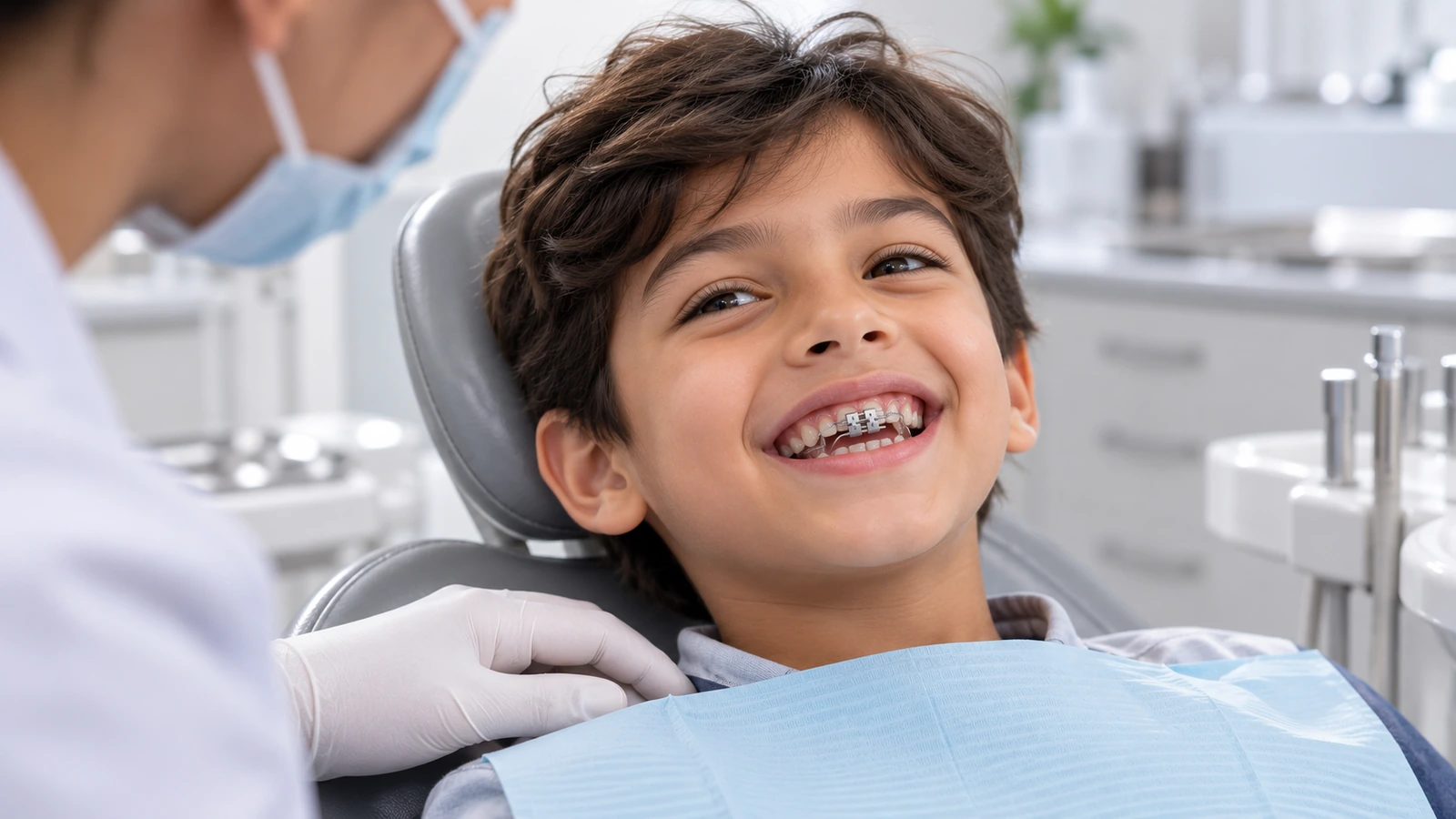
Early orthodontic treatment means acting on how a child’s teeth and jaws are developing while they are still developing. It is a different thing from braces. Braces straighten teeth that are already there; early treatment guides the shape of the space those teeth will arrive into, using growth that is happening anyway and that will not be available later.
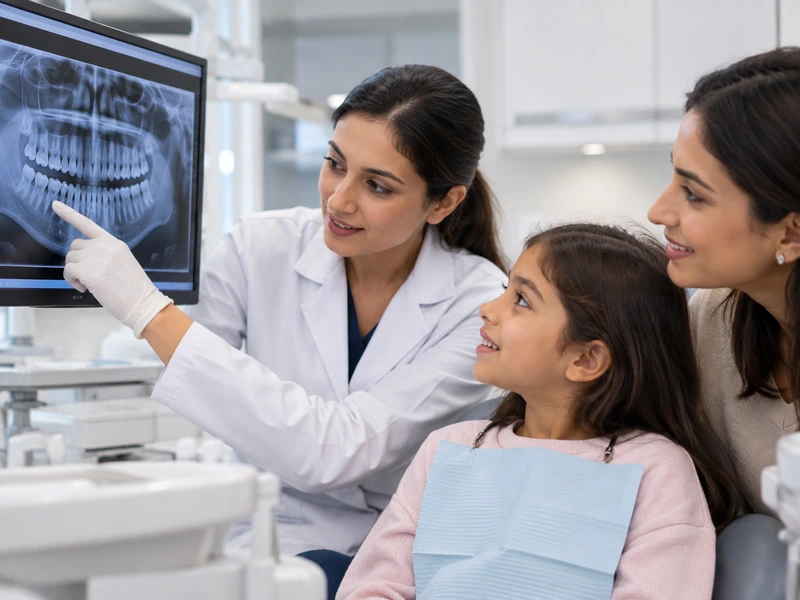
The first check is usually recommended at around age seven, which surprises parents who can see their child’s teeth are still a jumble of baby and adult ones. That jumble is the point. By seven the first adult molars and front teeth are through, and for the first time it is possible to see how the bite is forming, whether the jaws are growing evenly, and whether there is going to be room for everything still to come. An X-ray at that age shows the whole set of adult teeth waiting under the gum.
What most parents are not told, and should be, is that the usual outcome of that visit is nothing. Most children need watching rather than treating, and being asked to come back in a year is the good result. Early treatment is genuinely valuable in a small number of specific situations — and unnecessary, or actively wasteful of everyone’s time, in most of the rest. A first check exists to tell those two apart before either mistake is made.
The Two Phases
Phase One — While the Jaws Are Growing
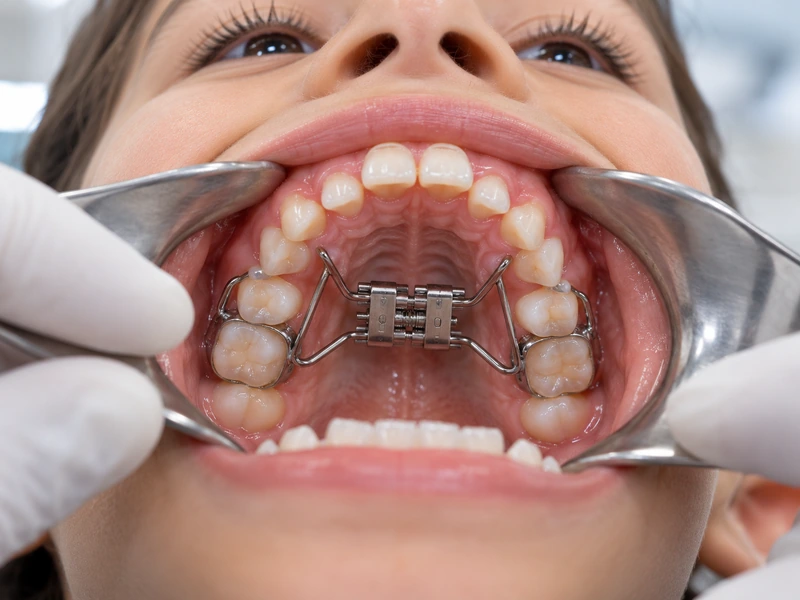
Roughly ages seven to ten, when baby and adult teeth are both present and the jaws are still developing. A short course with a simple appliance guides how the jaw grows or makes room for teeth still to come. It is not about straightening — it is about changing what the later treatment will have to deal with.
Phase Two — Once All the Adult Teeth Are Through
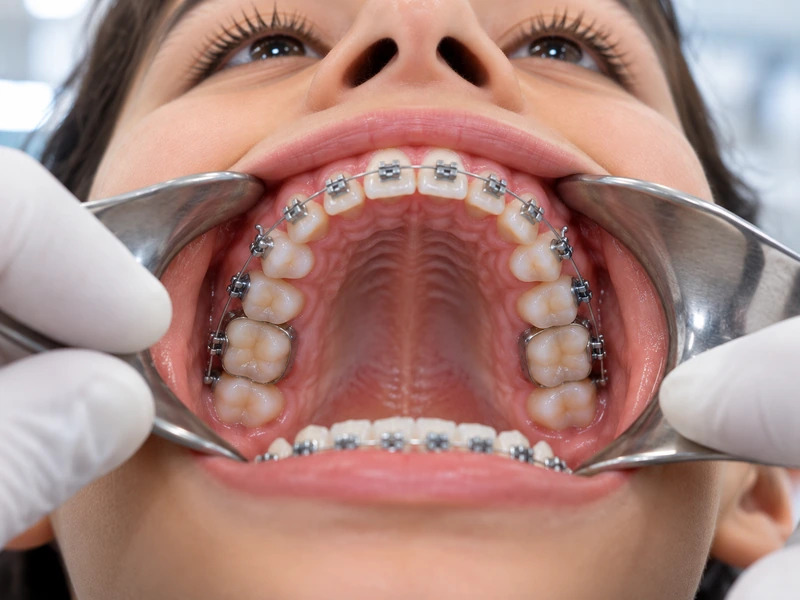
Usually early teens. This is conventional braces, doing the actual straightening and finishing the bite. Most children need only this phase. Where a first phase was done, this one is often shorter and simpler than it would otherwise have been.
When Should a Child Be Seen?
The usual advice is a first orthodontic check at about age seven — not because treatment starts then, but because that is when problems worth acting on early become visible. Most children are simply watched.
- Crowding as adult teeth arriveAdult teeth coming through twisted or behind the baby teeth because there is not enough room.
- A jaw that shifts to one sideThe lower jaw sliding sideways to let the back teeth meet — a crossbite, and the clearest reason to act early.
- Front teeth that stick outUpper front teeth well ahead of the lower ones, which makes them far more likely to be knocked.
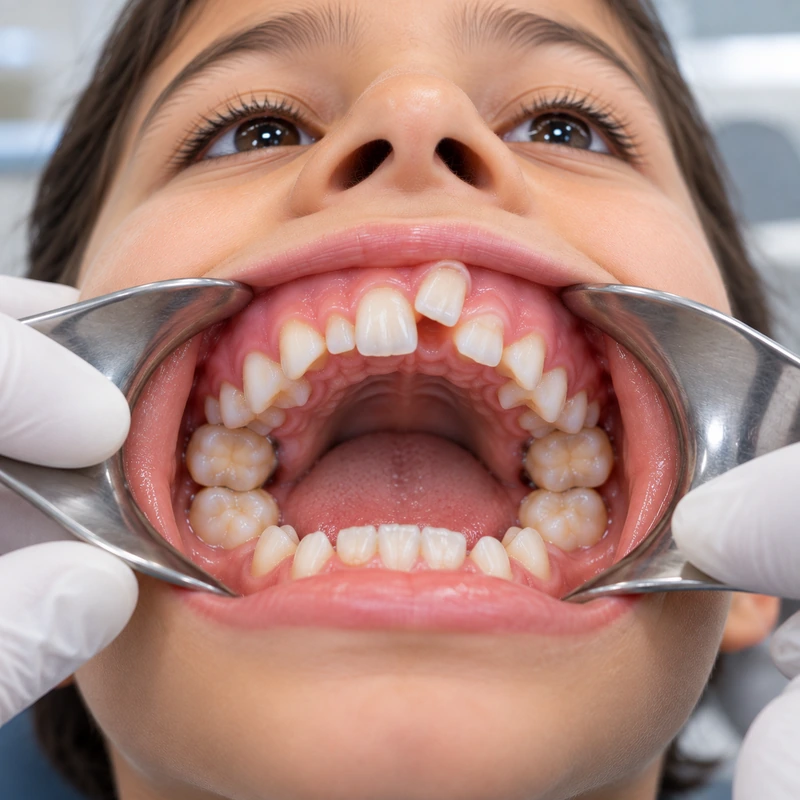
- Breathing through the mouthLips apart at rest, snoring, or a constantly blocked nose, which can change how the upper jaw develops.
- Baby teeth lost early or kept lateA baby tooth out years before its replacement is ready, or one that will not come out on time.
- A gap that is closing upNeighbouring teeth drifting into a space where a baby tooth came out early, blocking the adult tooth.
Options
Types of Early Appliance
These are not braces in the usual sense. Each does one specific job, wears for a few months, and comes out again once that job is done.
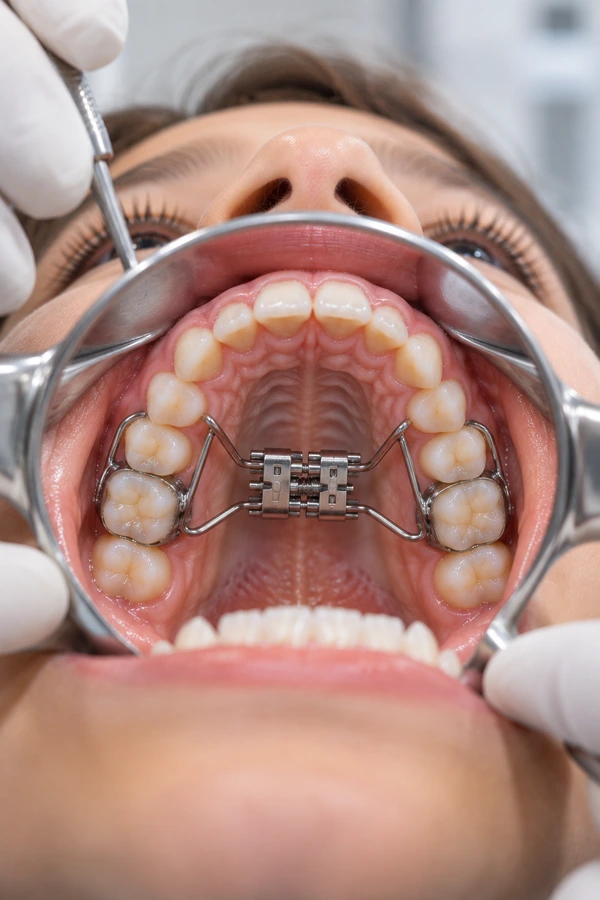 1
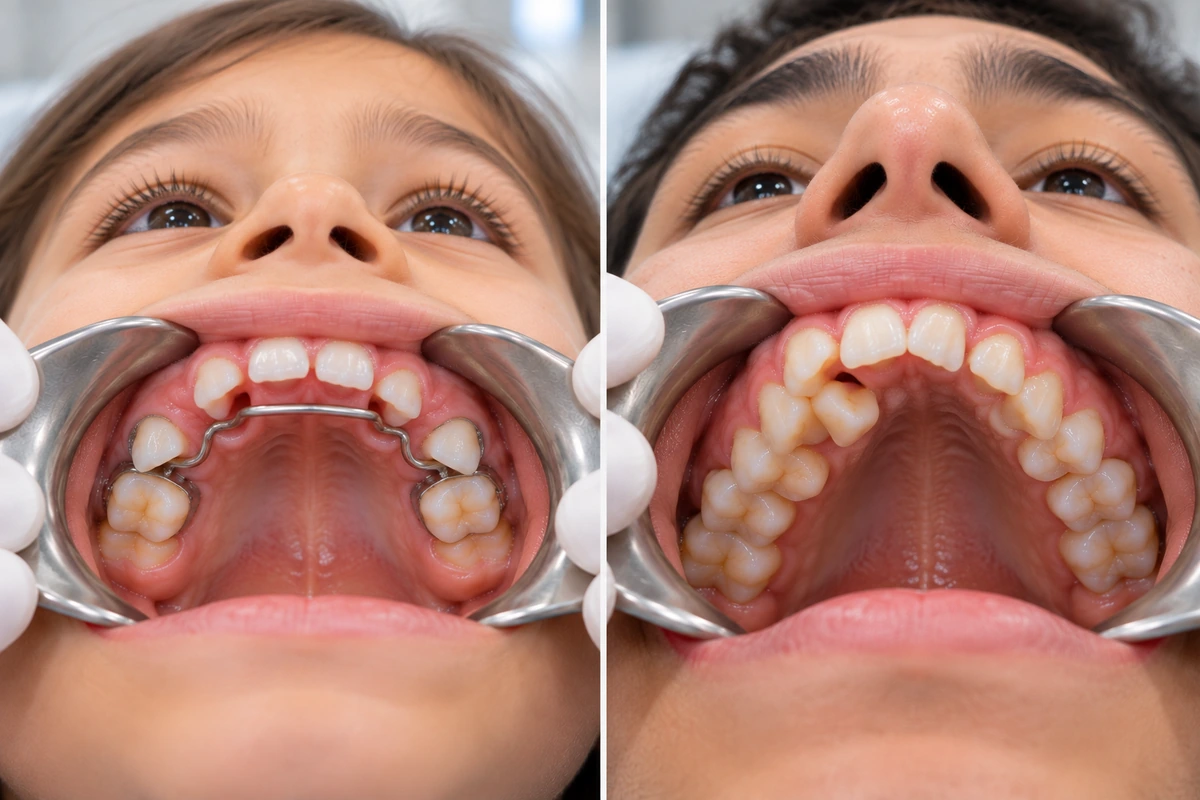
1Palatal expander
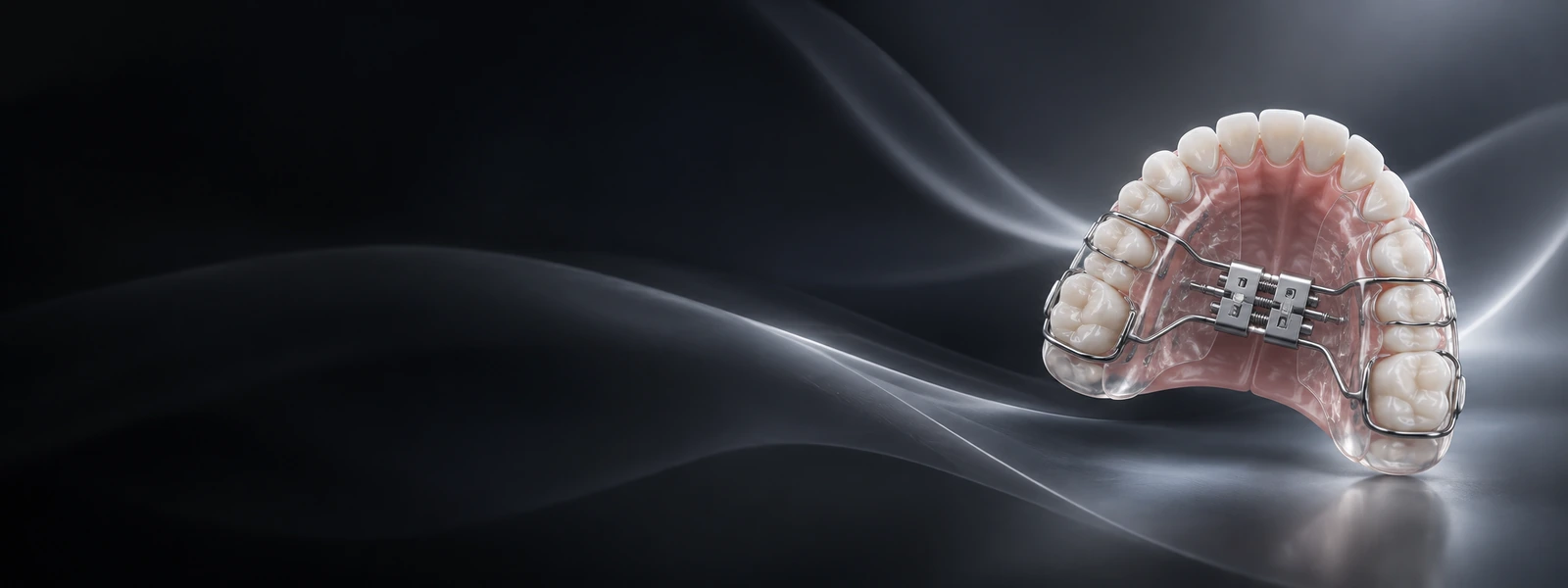
Widens a narrow upper jaw by a fraction of a millimetre at a time, using growth that is still happening. Fitted to the back teeth and turned with a small key, usually by you at home.
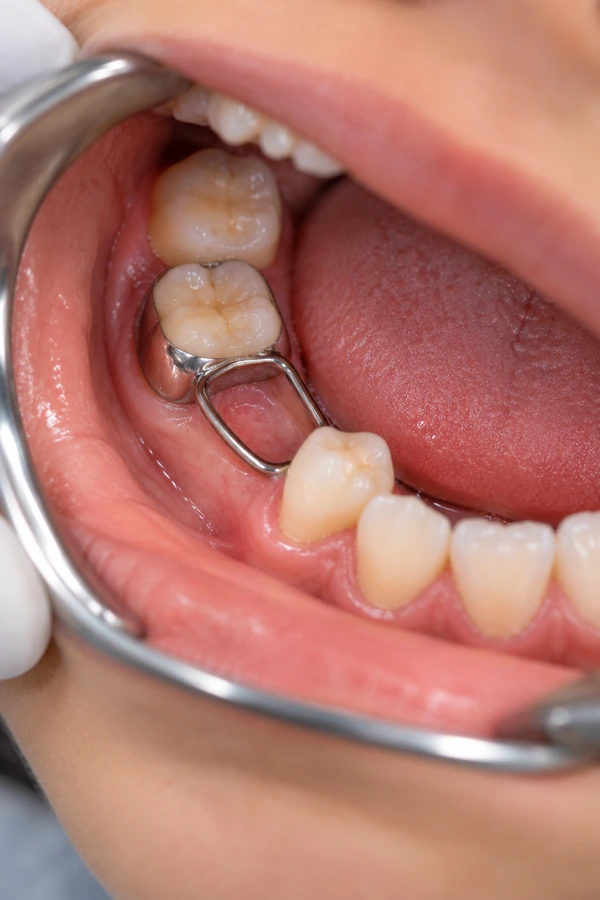 2
2Space maintainer
A small wire loop that holds open the space left by a baby tooth lost too early, so the neighbouring teeth cannot drift into it before the adult tooth arrives.
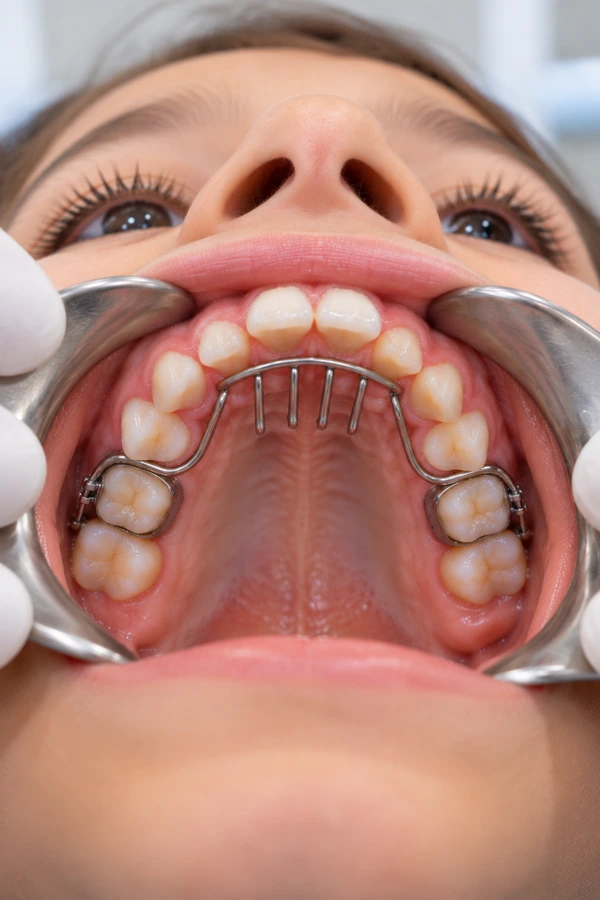 3
3Habit appliance
A gentle reminder fitted behind the upper teeth to break a thumb-sucking or tongue-thrusting habit that is pushing the front teeth forward. Usually needed for only a few months.
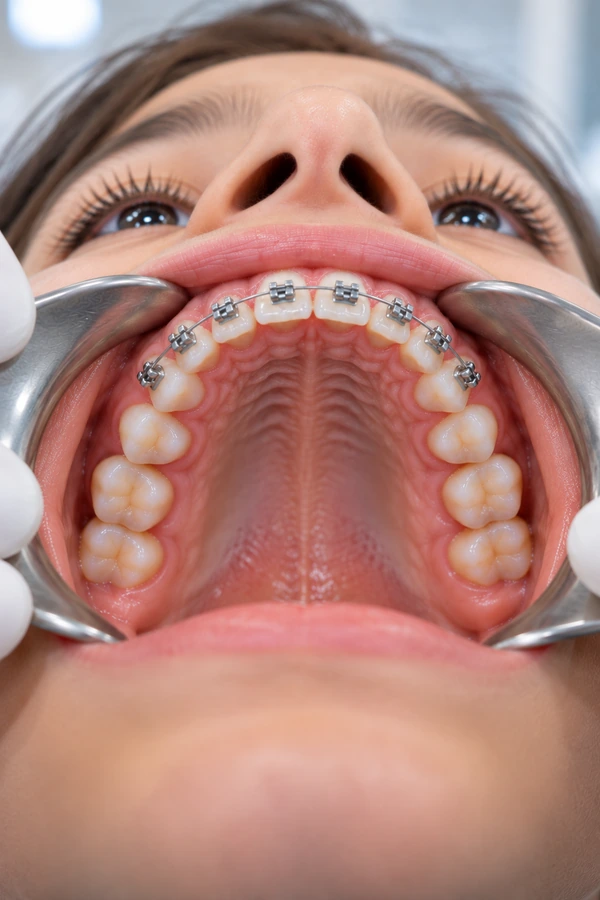 4
4Partial braces
Brackets on just the adult teeth that are already through, to correct one specific problem — a crossed front tooth, or a tooth coming in badly out of line — without waiting for the rest.
How Does Early Treatment Work?
What is looked at around age seven
A look at how the teeth meet, how much room there is, and whether the jaws are growing evenly, with an X-ray showing the adult teeth still under the gum — how many there are, where they are pointing and whether any are blocked. Most first visits end with nothing to do but come back in a year. That is a normal outcome and it is worth saying so, because parents often expect to be sold an appliance.
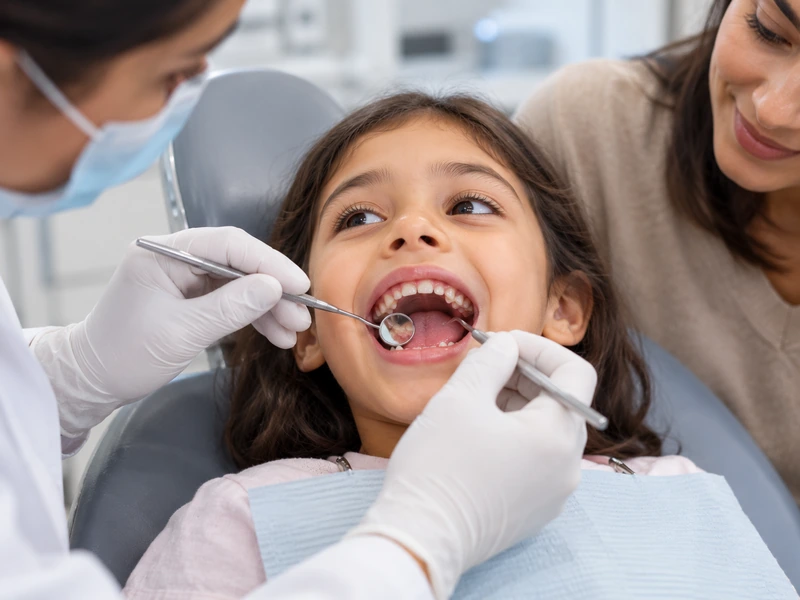
A short course with a simple appliance
Where something is worth correcting now, the appliance is fitted and worn for six to twelve months. Your child will find the first week odd — speech, eating and a general awareness of it — and then largely forget about it. Checks are every six to ten weeks. With an expander, there is usually a small turning routine for you to do at home, which is shown to you until you are confident with it.
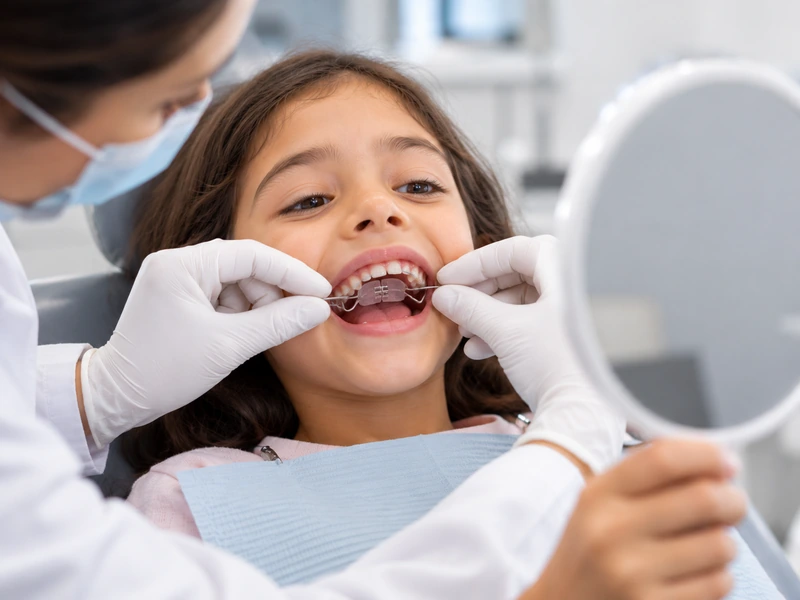
The years in between, and braces later
After a first phase, or after a first check that needed nothing, your child is seen every six to twelve months while the remaining adult teeth come through. It is not a holding pattern — it is watching for the point at which full treatment will be most effective. Braces usually follow in the early teens, and where a first phase was done they are often needed for less time.
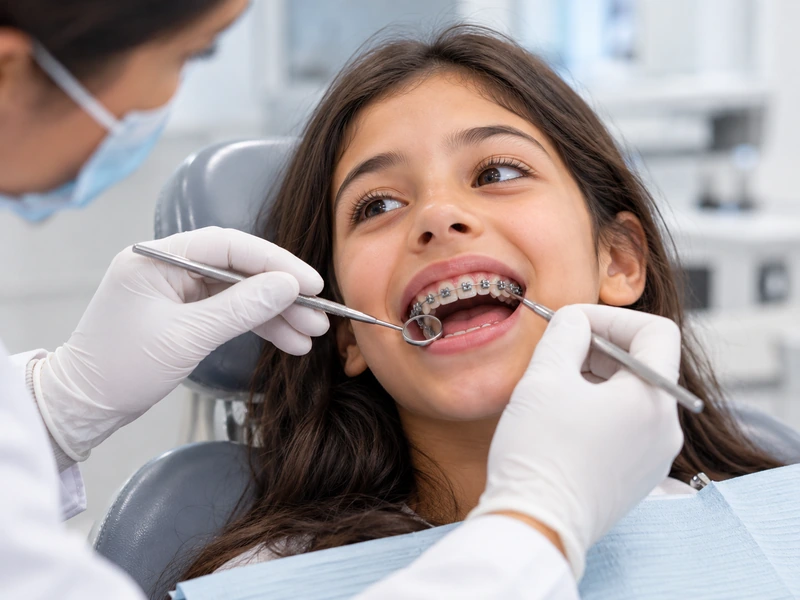
Recovery
Living With an Appliance
Most of this falls to you rather than to your child for the first week or two, and then it becomes their routine. Eight things make it go smoothly.
- 1
The first week is the hardest
Awkward speech, extra saliva and a lot of tongue exploring. It passes within days. Expect a quieter, grumpier child for a couple of evenings and then normality.
- 2
Soft food at first
Two or three days of pasta, curd rice, eggs and soup while the teeth are tender, then back to normal — minus the hard and sticky things below.
- 3
What breaks appliances
Hard sweets, chikki, ice, gum, and biting into whole apples and corn. Cut hard fruit into pieces. One broken appliance costs more time than a year of being careful.
- 4
Turning the expander
If your child has one, you will be shown exactly how and how often. Do it at the same time each day so it is not forgotten, and do not make up missed turns by doing two.
- 5
Cleaning around it
Brushing takes longer and needs supervising for the first few weeks, even with children who brush well. Food traps around an appliance in ways teeth alone do not.
- 6
Speech settles quickly
A lisp for the first week is normal, particularly with anything fitted behind the upper teeth. Reading aloud together for ten minutes a day sorts it faster than waiting.
- 7
Sport and school
No restrictions beyond a mouthguard for contact sport, which needs making to fit over the appliance. Teachers do not need to do anything; children adapt faster than parents expect.
- 8
If something comes loose
Call rather than waiting for the next visit. A loose appliance stops doing its job from that moment, and a few weeks lost in a growth window cannot be made up later.
Now or later
Treating Early vs Waiting
It is worth saying plainly: most children do not need early treatment, and a practice that recommends it for every crooked tooth is selling something. The majority are best watched until the adult teeth are through and then treated once, properly.
What early treatment can do is use growth that will not be available later. A narrow upper jaw can be widened while the join in the palate is still open, and that window closes in the early teens. A crossbite making the lower jaw shift sideways is worth correcting before the jaw grows around the shift. Front teeth that stick out badly are far more likely to be broken in a fall, and bringing them back reduces a real risk. A habit pushing the teeth forward is easier to break at eight than at fourteen. Those four are genuine, and in those cases waiting costs something that cannot be recovered.
Outside them, treating early usually means treating twice — a phase now and a full course later — for a result that one course in the early teens would have reached anyway. The right question at the first check is not whether the teeth are crooked, because at seven they usually are. It is whether anything is happening that will be harder or impossible to fix in five years' time. If the answer is no, coming back in a year is the correct advice.
What Happens at the First Visit
- 1ExaminationHow the teeth meet, how much room there is, and whether the jaws are growing evenly.
- 2X-rayThe adult teeth still under the gum — how many, where they point, whether any are blocked.
- 3What is developingWhat the records show is coming, and whether anything is worth acting on now.
- 4PlanTreat now, watch, or simply come back in a year — most often the last of those.
- 5AftercareIf an appliance is fitted, what it involves at home and what you will be asked to do.
Why us
Why Choose Us for Your Child
- A pedodontist, Dr. Himasree (MDS), and an orthodontist, Dr. Navya Krishna (MDS), are both part of our team.
- You are told whether early treatment is needed now, or whether waiting is better.
- Instruments sterilised and sealed for every patient, under a strict protocol.
- Open every day until 9 PM, including Sundays, so visits fit around school.
Tooth Pain & Repair
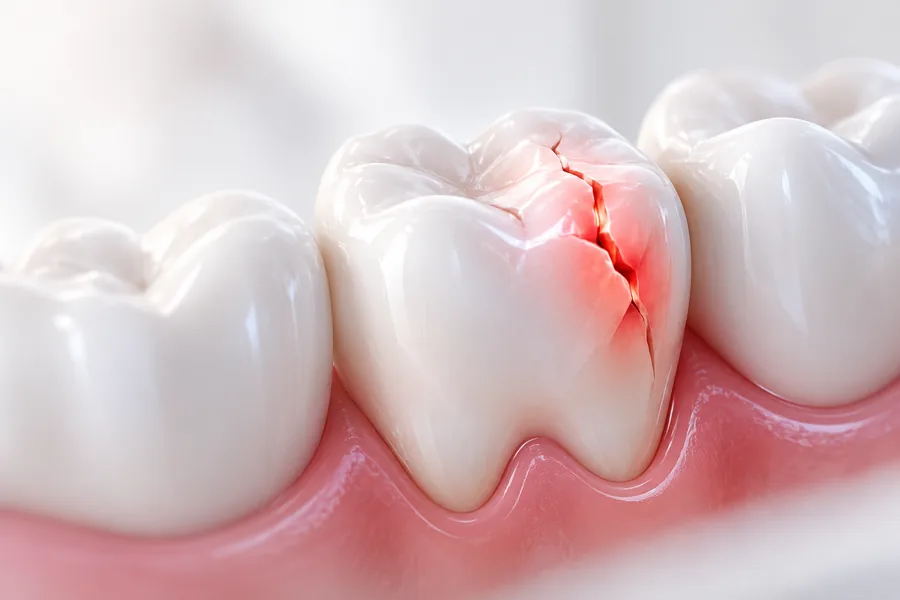
Relief from toothache and repair for decayed, cracked or broken teeth, from fillings and root canals to crowns.
- Root Canal Treatment
- Tooth Sensitivity Treatment
- Cavity Treatment
- Tooth Fillings
- Dental Crowns & Caps
- Wisdom Tooth Removal
- Emergency Dental Care
 learn more
Missing Teeth
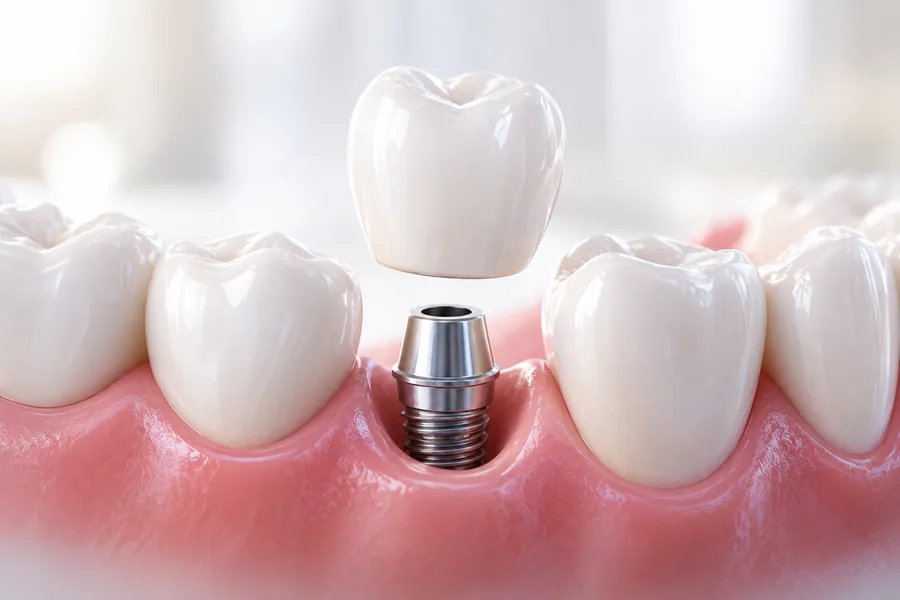
Implants, bridges and dentures to replace missing teeth, planned by our implantologist and prosthodontist.
 learn more
Straightening
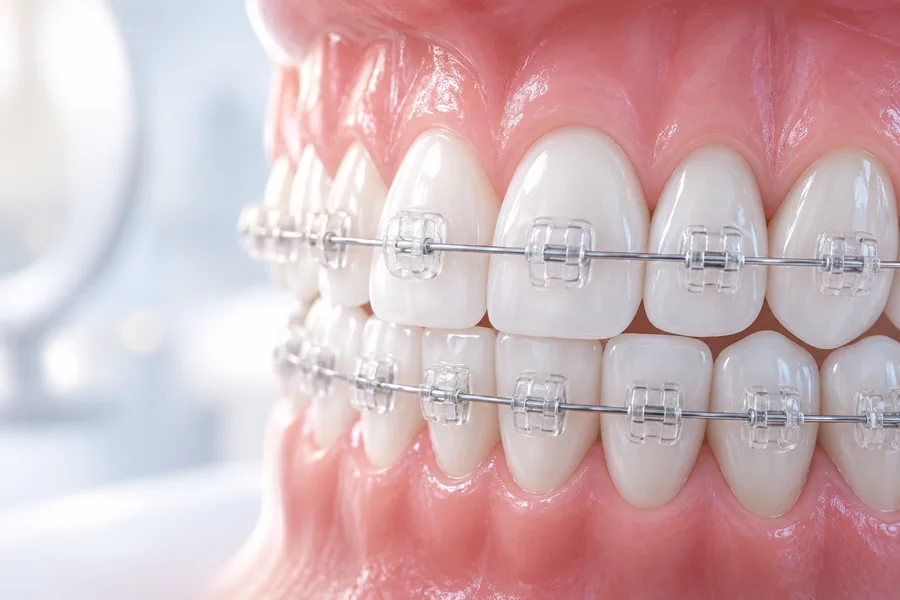
Braces and Illusion clear aligners for crooked or gapped teeth, planned by our orthodontist for children and adults.
 learn more
Cosmetic
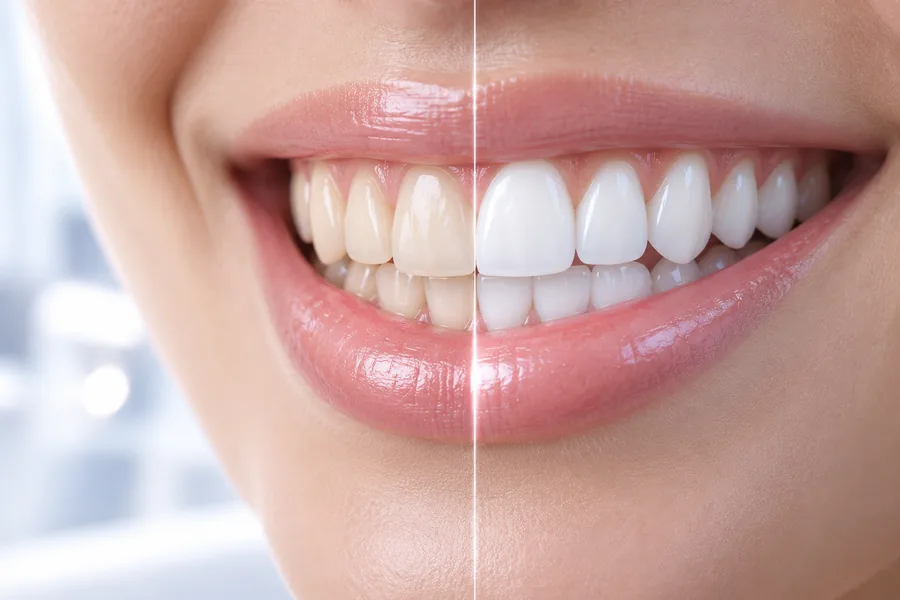
Whitening, veneers, bonding and smile makeovers to improve the colour and shape of your smile, led by our cosmetic dentist.
 learn more
Gums & Cleaning
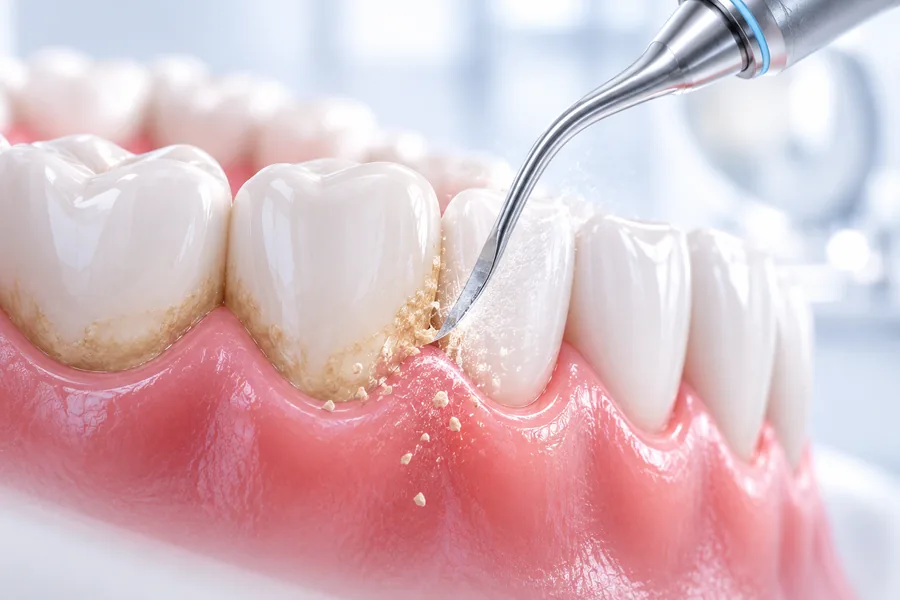
Cleaning, gum treatment and laser care for bleeding gums and bad breath, from our periodontist.
 learn more
Kids & Family
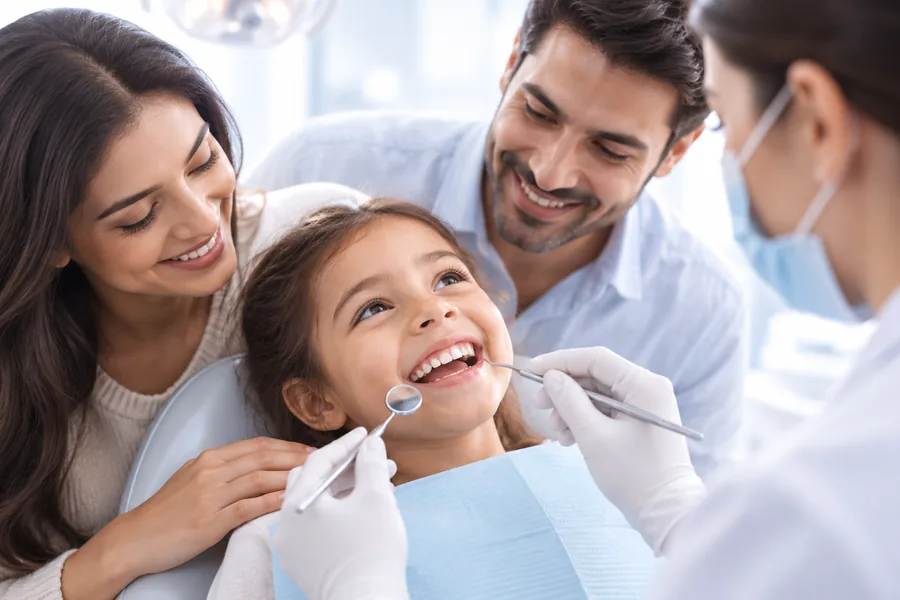
Gentle check-ups, fluoride and sealants for children with our pedodontist, and routine check-ups for the whole family.






Verified Google Reviews
Excellent
Based on 238 reviews
Harsha Vardhini
2026 · Google
I highly recommend Dr. Roja! She is incredibly kind, patient, and caring. I’ve had a root canal and multiple fillings done by her, and every procedure was completely painless. She explains everything clearly, makes you feel comfortable, and ensures you’re at ease throughout the treatment. Her gentle approach and professionalism make every visit a great experience. If you’re looking for a skilled dentist who truly cares about her patients, Dr. Roja is an excellent choice!
akk reddy
2026 · Google
I had a great experience with Dr. Roja madam. She is a very good doctor and extremely patient-friendly. I was suffering from a tooth cavity, and she suggested a root canal treatment. After starting the treatment, my tooth pain completely disappeared. The cap fitting was also very comfortable and flexible. Overall, I am very satisfied with the treatment and care provided. Thank you so much
Mamidisetti Siva
2026 · Google
I had a very good experience at this dental clinic. The treatment was excellent, and the staff were very friendly and supportive. Even after the treatment, they took great care by calling me, checking on my recovery, and asking me to come for follow-up visits. I really appreciate their concern and professionalism. Highly recommended.
BHARATH GUNDEBOINA
2026 · Google
Had a great experience with teeth replacement treatment. Dr. Roja mom explained everything clearly and the procedure was smooth and painless. The results look very natural and I’m extremely happy with my new smile. Highly recommended..thank you….
venkannababuk venki
2026 · Google
Madam provides very good dental treatment. She explains everything clearly and patiently whenever I have any doubts. I am very satisfied with the treatment and the way she cares for patients. Thank you, SR Dental.
Near you
Kids Braces & Early Treatment Near You in Gajularamaram
If you have been searching for kids braces near you, the appointment worth booking is a first orthodontic check at about age seven. It is short, it is usually reassuring, and its purpose is to find the small number of problems that are easier to fix now than later.
You do not need a referral, and a first check does not commit you to anything. Most children leave with nothing to do but come back in a year, and that is the result to hope for rather than a wasted visit.
77020 95262Gajularamaram
Contact
Reach out to schedule your next dental visit
Whether you have a question, need expert advice, or are ready to book your next appointment, our team is here to help.
Reach out to us on
- Phone Number 77020 95262
- Email address srdentalcare48@gmail.com
- Location Hospital Phase 2, Plot No:100/N, behind UMCC Road, Chandragiri Nagar, Ushodaya Colony, Indira Nagar, Gajularamaram, Hyderabad, Telangana, 500055
Working Hours
- Mon – Sun:
- 9:30 AM – 9:00 PM
FAQs
Frequently asked questions about kids braces & early treatment
Still have a dental question?
Send us a message and our dental team will help.
At what age should my child first see an orthodontist?
About seven. That is not when treatment usually starts — it is when the first adult molars and front teeth are through, which is the earliest point at which how the bite is developing can be judged. The great majority of first visits end with a plan to watch rather than to treat.
Does my child really need treatment now?
Usually not. Early treatment earns its place in a small number of situations — a narrow upper jaw, a crossbite making the jaw shift, front teeth sticking out far enough to be at risk of injury, or a habit pushing the teeth forward. Outside those, treating early most often means treating twice for the same result. You should expect to be told clearly which category your child is in.
Will my child still need braces later?
Quite possibly, and that is not a sign the first phase failed. Early treatment fixes a specific developing problem; it does not straighten the whole mouth, because most of the adult teeth are not there yet. What it does is make the later course shorter and more predictable, and occasionally avoid extractions that would otherwise have been needed.
Is an expander painful?
No. There is a feeling of pressure across the palate for a few minutes after each turn, and often a gap appears between the front teeth as the jaw widens — which closes on its own afterwards and is a sign it is working rather than a problem. Children adapt to it much faster than parents expect.
How long does an early phase last?
Six to twelve months for most appliances, sometimes less for a habit appliance. Then the appliance comes out and there is usually a gap of a few years before anything else is considered, with check-ups in between to watch the adult teeth come through.
What if we just wait and see?
For most children that is exactly the right plan, and it is what will be recommended. Where it costs something is in the handful of situations that depend on growth — a jaw can only be widened easily while it is still growing, and a bite that has been shifting for years becomes harder to correct. That is the point of the first check: to tell the two apart.