

Kids Dental Check-up in Gajularamaram
- 14+Years of experience
- 50,000+Patients treated
- 4.9Google rating
- 15–20 minutes
- every six months
- Mon – Sun: 9:30 AM – 9:00 PM
When Should a Child First See a Dentist?
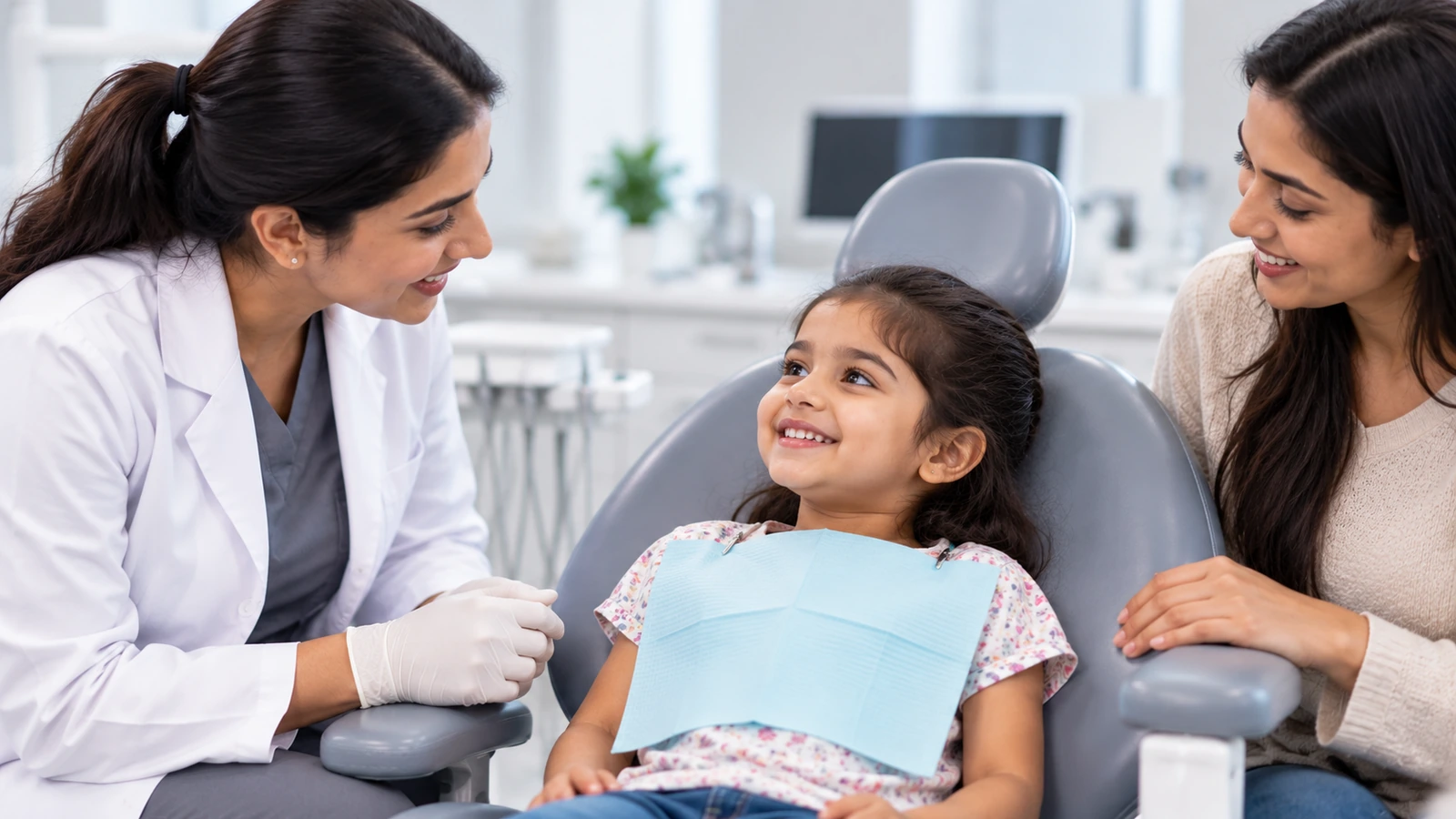
A child’s first dental visit should happen by their first birthday, or within six months of the first tooth coming through — which is considerably earlier than most families come, and for a reason that has little to do with the teeth themselves.
The early visits are short and mostly uneventful. The teeth are counted, the bite is looked at, fluoride varnish is painted on in under a minute, and the useful part of the appointment is often the conversation with the parent about bottles, brushing and snacks. Nothing is drilled and nothing hurts, and that is the point: a child who has sat in the chair three or four times while nothing happened is a child who will sit in it calmly when something does.
The alternative pattern is the common one. The first appointment comes at five or six because a tooth is hurting, the child is frightened before they arrive, and their first experience of a dentist involves an injection. It is a much harder start, for everybody, and it is largely avoidable by coming in once a year earlier than seems necessary.
The Visit Where Nothing Happens, and the Other Kind
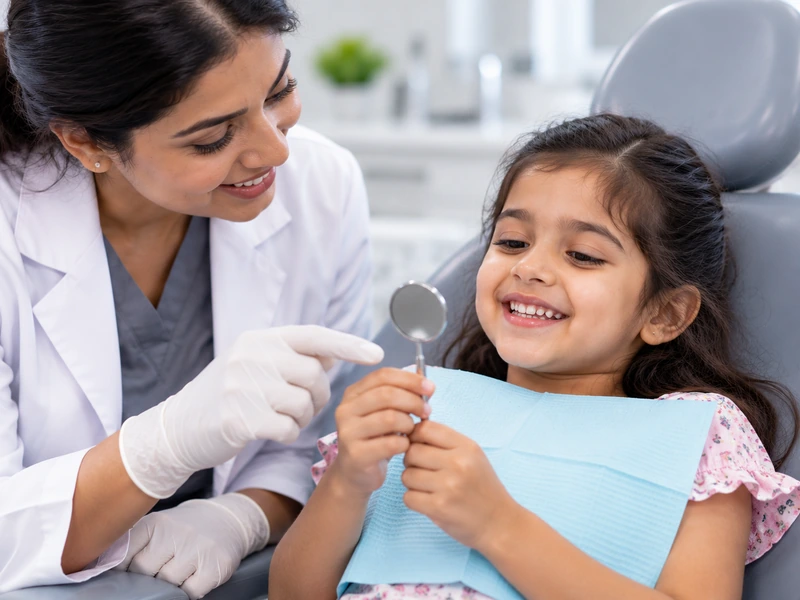
The Early Visit, Where Nothing Happens
The best first appointment is the one with no problem to solve. The child sits in the chair, the teeth are counted with a mirror, the parent is asked about brushing and bottles, and everyone leaves. It takes a quarter of an hour and achieves something that does not show up on any chart: a child who has been to a dentist and found it uneventful. That is what makes the next ten visits straightforward.

The Visit With a Problem Already
Most first visits are not the early kind — a parent rings because a tooth hurts or a mark has appeared, and the child arrives already worried. That changes the order rather than the outcome. Pain is settled first, the rest is taken in short appointments, and nothing is forced on a child who is not ready. It sometimes takes two or three visits before any treatment is done, and that is a reasonable use of them rather than a wasted one.
When to Bring Them In
Earlier than most people think, and for less reason than most people expect. None of the below needs to wait for pain.
- The first tooth has come throughOr they have reached their first birthday — whichever happens first. The first visit is a look and a conversation, nothing more.
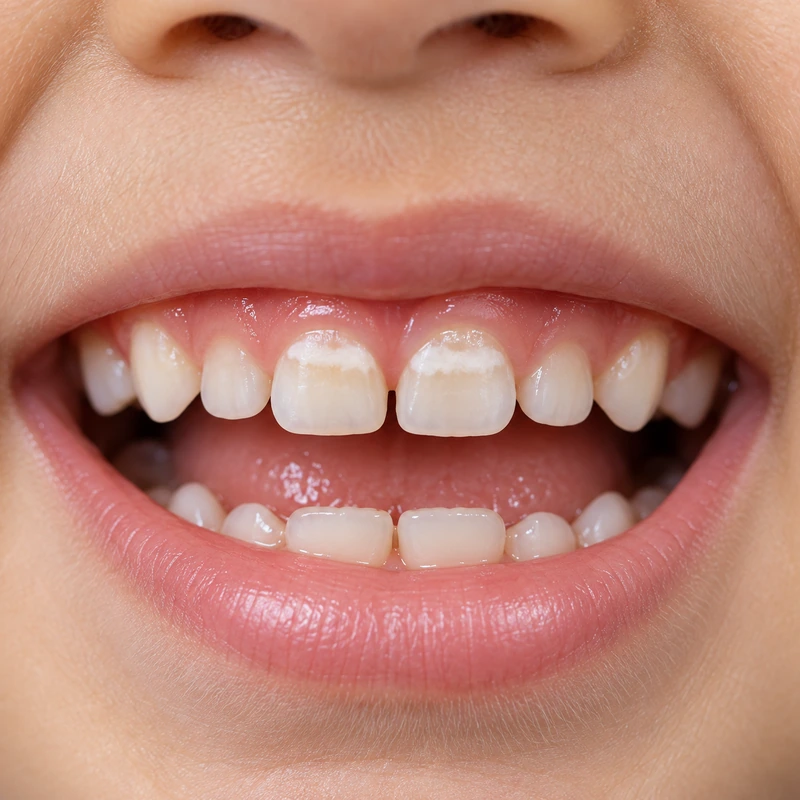
- A white or brown mark on a toothA chalky white line near the gum on a front tooth is early decay, and at that stage it can often be stopped rather than drilled.
- They fall asleep with a bottleMilk or juice pooling around the upper front teeth overnight is the single commonest cause of decay in toddlers.
- They flinch at something cold or sweetChildren rarely say a tooth hurts. They say they do not want that one, or they chew on one side.
- A tooth has been knocked in a fallEven when it looks fine. A knock can affect the permanent tooth forming above it, and that is worth checking.
- They are already frightenedWorth saying when you book rather than on arrival. It changes how the appointment is arranged, not whether they are welcome.
Options
What a Children's Check-up Includes
Short, and mostly prevention. The treatment part is the smallest part, and on a good day there is none of it.
 1
1The check itself
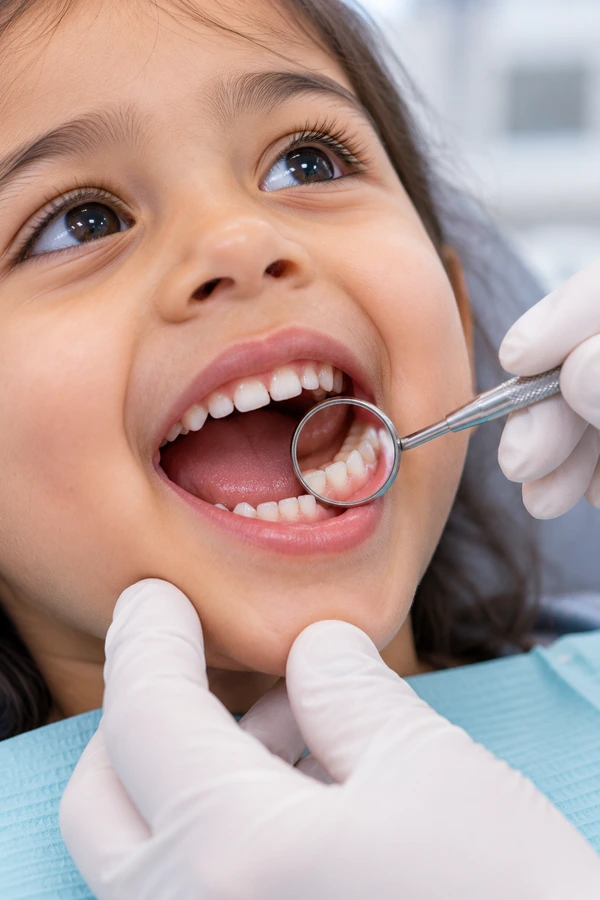
Counting the teeth and looking at every surface for early decay, checking how the bite is developing and whether the jaws have room, looking at the gums and the tongue, and seeing where the permanent teeth are heading. Quick, and done with a mirror rather than anything that buzzes.
 2
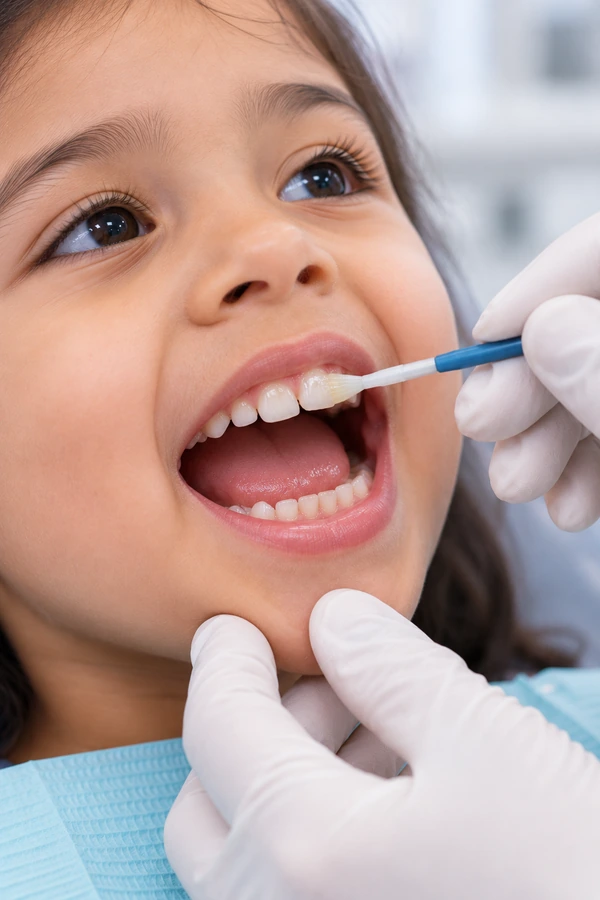
2Fluoride varnish
A sticky varnish painted onto the teeth in under a minute, usually twice a year. It strengthens enamel where it is weakest and can stop an early white-spot mark from becoming a cavity. Most children do not mind it at all. It has its own page alongside sealants.
 3
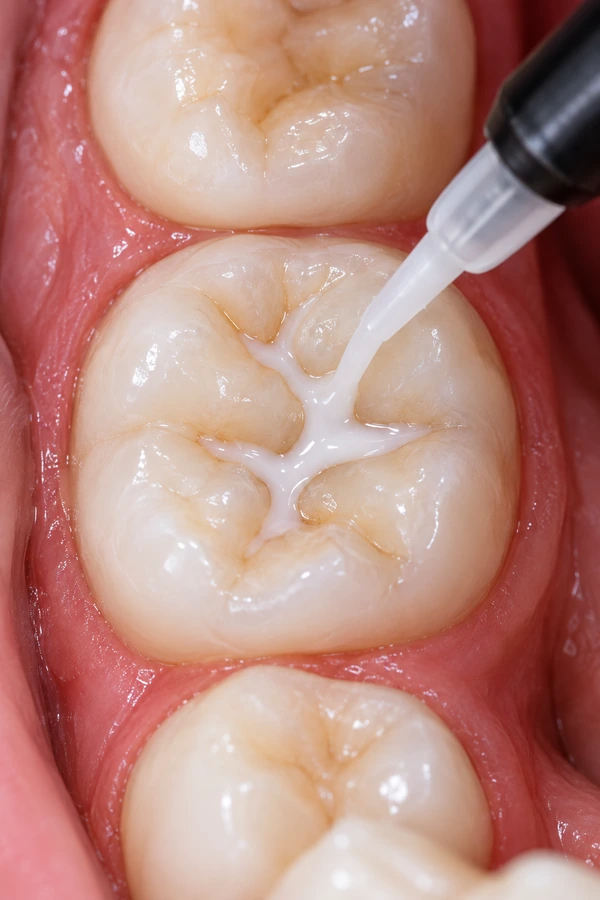
3Sealants on the back teeth
When the first permanent molars arrive at around six, the deep grooves in their biting surfaces are where decay almost always starts. A sealant flows into those grooves and sets, with nothing drilled and no injection. It is the most effective preventive thing available for a child's teeth.
 4
4Treatment, when something is found
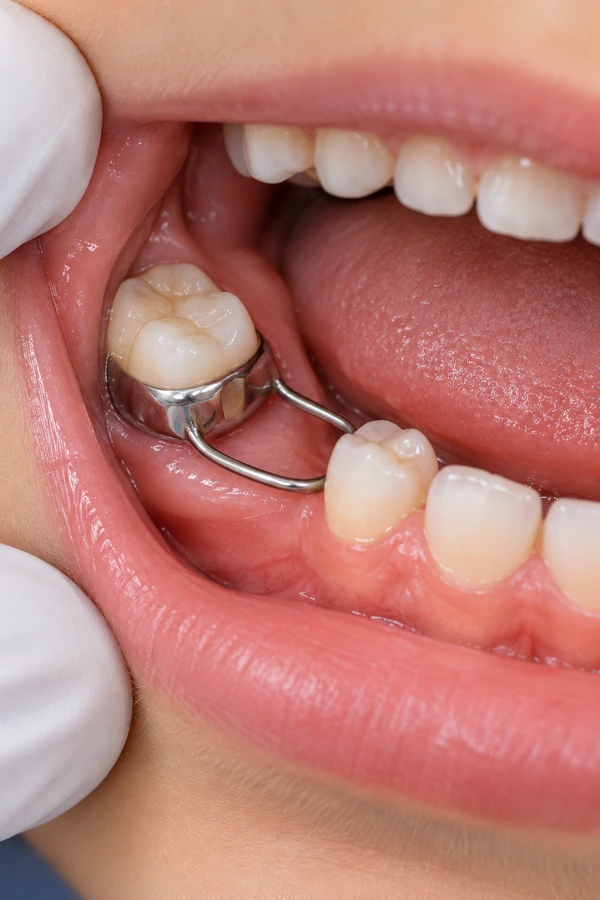
Small fillings in baby teeth where they are needed, and occasionally a space maintainer if a back baby tooth has been lost early — a small appliance that holds the gap open so the permanent tooth has somewhere to arrive. What is right depends on how many years that tooth still has to last.
How to Make a First Visit Go Well
What to say at home, and what not to
This part matters more than anything done in the surgery. Keep it ordinary and brief: they are going to have their teeth counted and a ride in the chair. Do not say "it won't hurt" — a child who was not thinking about pain now is, and the word arrived from you. Avoid needle, drill, pull and injection entirely, including in stories about your own appointments. Do not promise a reward for being brave, because bravery implies something to be brave about. Book a morning slot rather than the end of a school day, and if you can, bring them along to watch one of your own check-ups first. Children who arrive with no expectations do best.

Shown first, then done
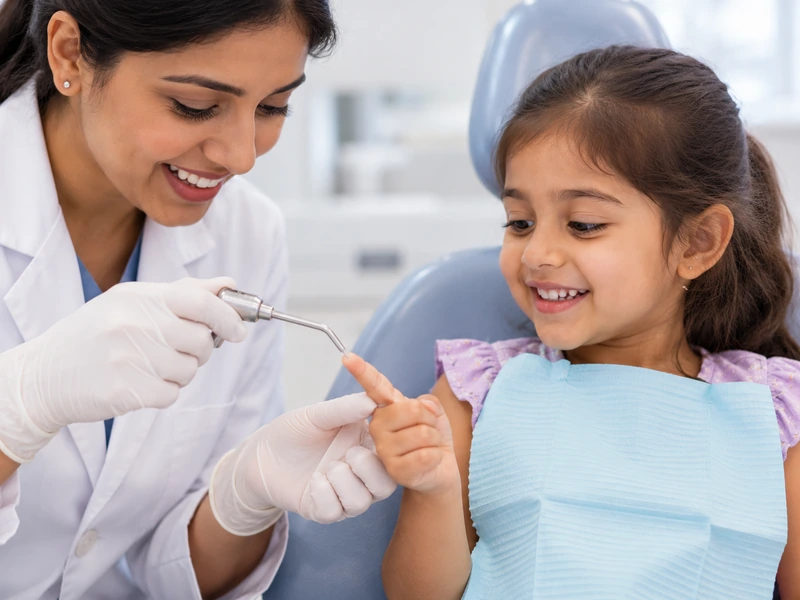
Everything is explained and demonstrated before it is used — the chair going up and down, the mirror, the little air blower on a finger first. Nothing appears in a child's mouth that they have not already seen. Your job is to be there and be calm; the hardest thing for most parents is not answering questions on the child's behalf, and not over-reassuring, which tells a child there is something to worry about. If they will not open their mouth on the first visit, that is an outcome too, and it is a better one than a struggle.
The visit's real output is at home
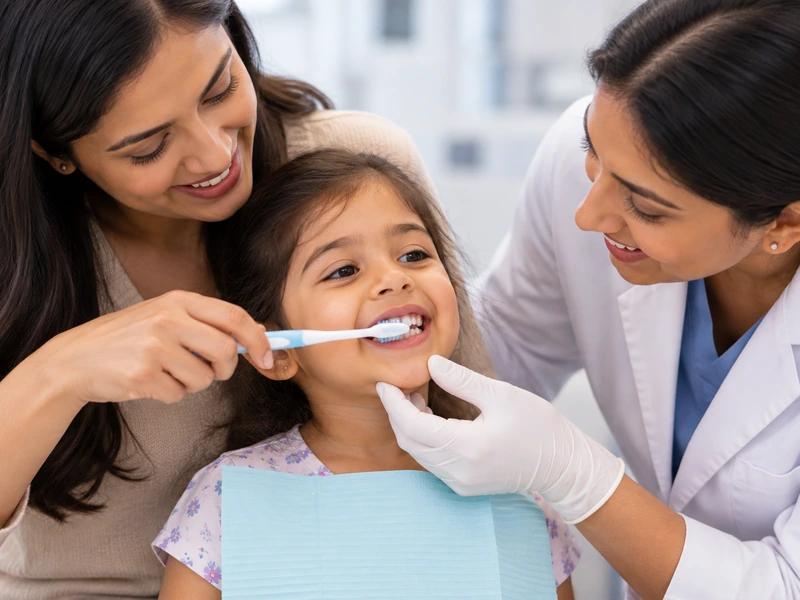
Brushing is shown on your child's own teeth, with you doing it, because a description of technique never survives the car park. You will be told how much toothpaste, which areas are being missed, what to do about night bottles or thumb sucking if either is an issue, and when to come back — usually six months, sometimes three where decay risk is high. And, with luck, a child who is willing to come back, which is the part that decides the next fifteen years.
Recovery
Between Visits
Four things account for almost everything that happens to a child's teeth, and none of them takes place in a dental chair.
- 1
Brush for them until around seven
Young children genuinely cannot brush well enough themselves — the rough test is that a child who cannot yet write neatly cannot yet brush properly. Let them start, then finish it for them. Twice a day, and the one before bed is the one that matters.
- 2
Spit, do not rinse
Rinsing with water washes away the fluoride that was the point of the toothpaste. Spit out and leave it. A smear for under-threes and a pea-sized amount after that, with a fluoride toothpaste rather than a children's novelty one.
- 3
It is when they eat, not how much
Every sugary or acidic thing starts an acid attack lasting up to an hour. Four sweets after a meal do less harm than four sweets spread across an afternoon, because grazing never lets the mouth recover. Snacks at set times, water in between.
- 4
Nothing but water after the last brush
No milk, no juice, no flavoured milk in a bottle at night. Saliva almost stops during sleep, so anything left around the teeth sits there for hours — which is why night bottles do so much damage so quickly.
Do they matter if they fall out?
Baby Teeth vs Permanent Teeth
It is a fair question and most parents think it without asking it. If a tooth is going to be lost anyway, why treat it?
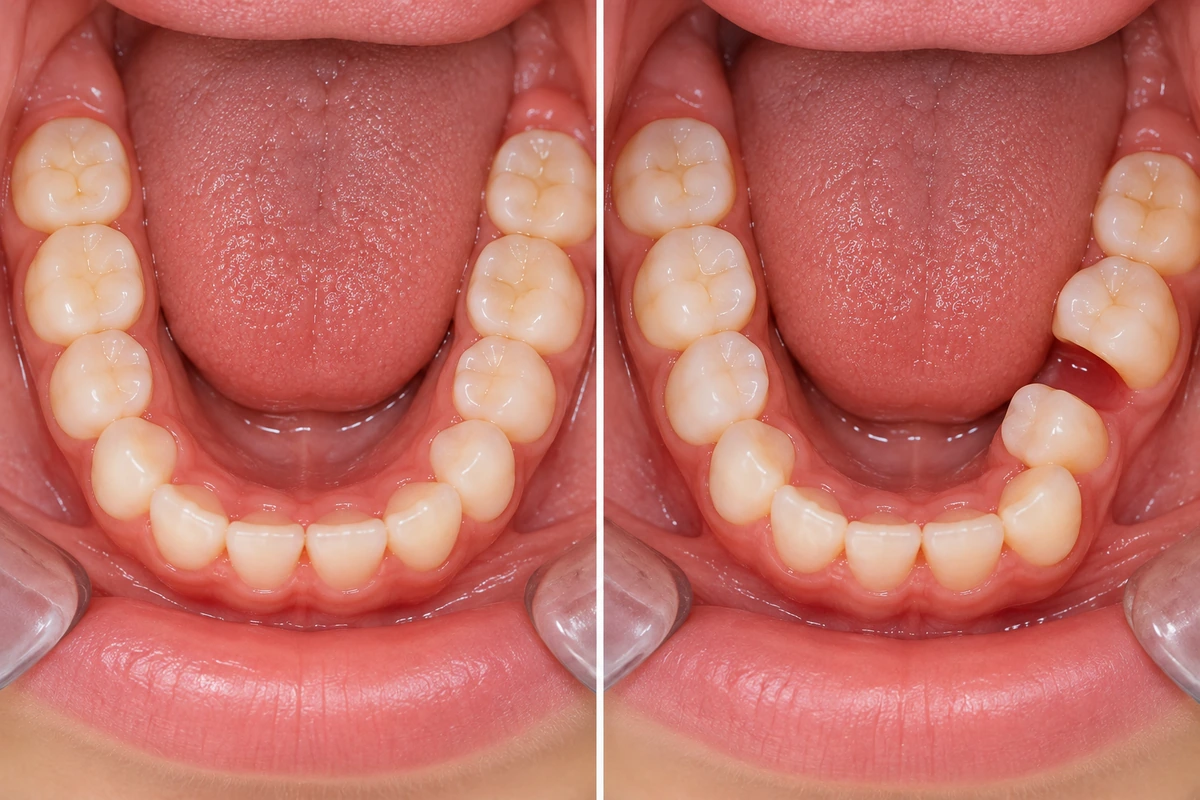
The first answer is space. Baby teeth hold the gap that the permanent tooth underneath will need, and the back ones hold it for a long time — some are not replaced until eleven or twelve. Lose one early and the teeth either side drift into the space, so the permanent tooth arrives with nowhere to go and comes through crooked or stays buried. A crowding problem that shows up at thirteen was often created at six. Where a tooth cannot be saved, a space maintainer is fitted for exactly this reason.
The second is that they hurt, and that infection in them does not stay in them. A baby tooth with an abscess sits directly above the permanent tooth forming in the bone, and that tooth can erupt marked or malformed as a result. A child with toothache also sleeps badly, eats on one side and misses school, none of which shows up on an X-ray.
The honest qualification is that not every baby tooth needs treating. One that is already loose and due out in a few months is judged quite differently from one that has five years left to serve, and sometimes the right answer genuinely is to leave it and watch. What matters is that somebody works out which of those two it is, rather than treating everything or nothing.
What Happens at Your Child's First Appointment
- 1Talking to youMedical history, habits, bottles, thumbs — and what your child has already been told.
- 2Meeting themNo instruments. A ride in the chair, and a look at the mirror before it is used.
- 3The checkTeeth counted, every surface looked at, and how the bite and jaws are developing.
- 4PlanWhether anything is needed, what can wait, and how soon they should be seen again.
- 5BrushingShown on their own teeth with you doing it, and what to change at home.
Why us
Why Choose Us for Your Child's Check-up
- A pedodontist, Dr. Himasree (MDS), a children's dentist, is part of our team.
- A gentle, unhurried visit, with everything explained to your child and to you.
- Instruments sterilised and sealed for every patient, under a strict protocol.
- Open every day until 9 PM, including Sundays, so visits fit around school.

Tooth Pain & Repair
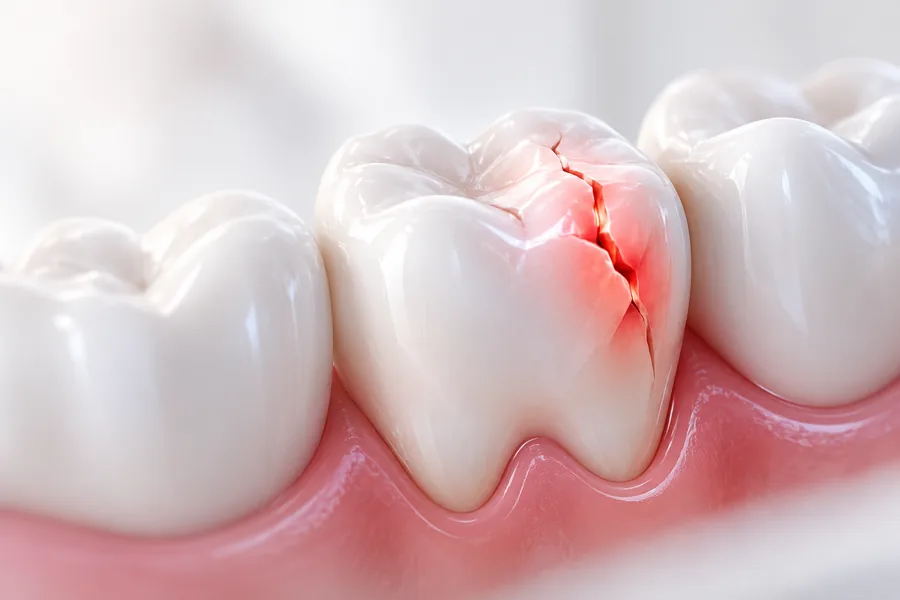
Relief from toothache and repair for decayed, cracked or broken teeth, from fillings and root canals to crowns.
- Root Canal Treatment
- Tooth Sensitivity Treatment
- Cavity Treatment
- Tooth Fillings
- Dental Crowns & Caps
- Wisdom Tooth Removal
- Emergency Dental Care
 learn more
Missing Teeth
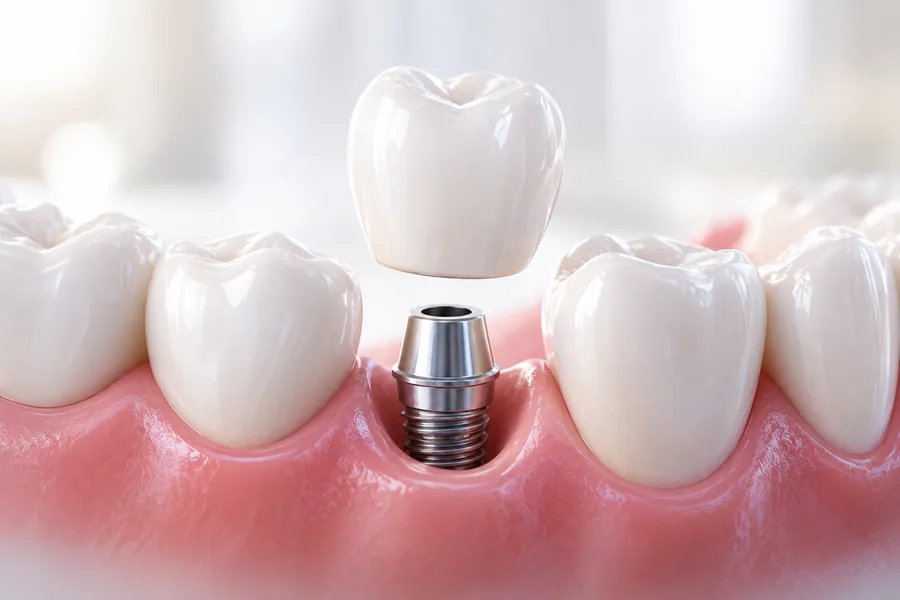
Implants, bridges and dentures to replace missing teeth, planned by our implantologist and prosthodontist.
 learn more
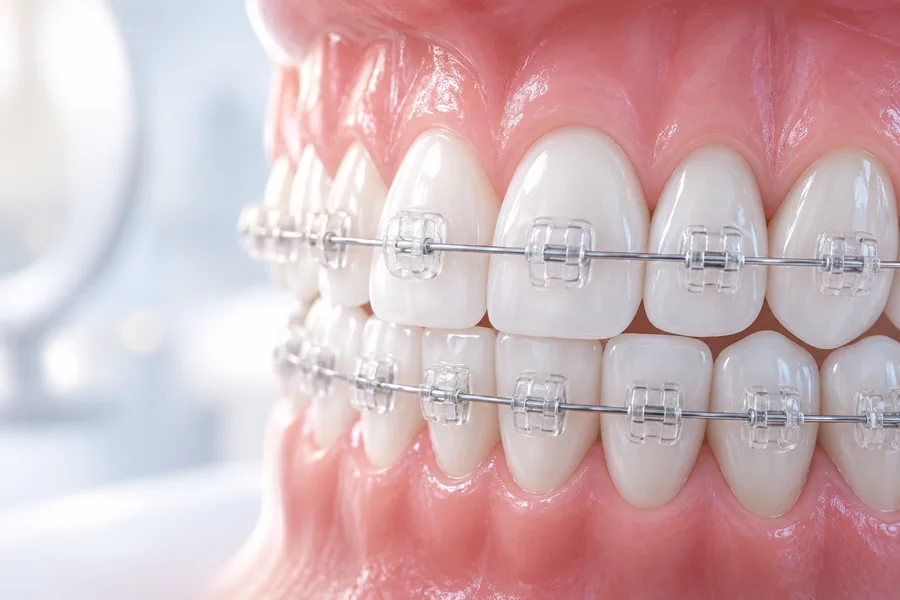
Straightening
Braces and Illusion clear aligners for crooked or gapped teeth, planned by our orthodontist for children and adults.
 learn more
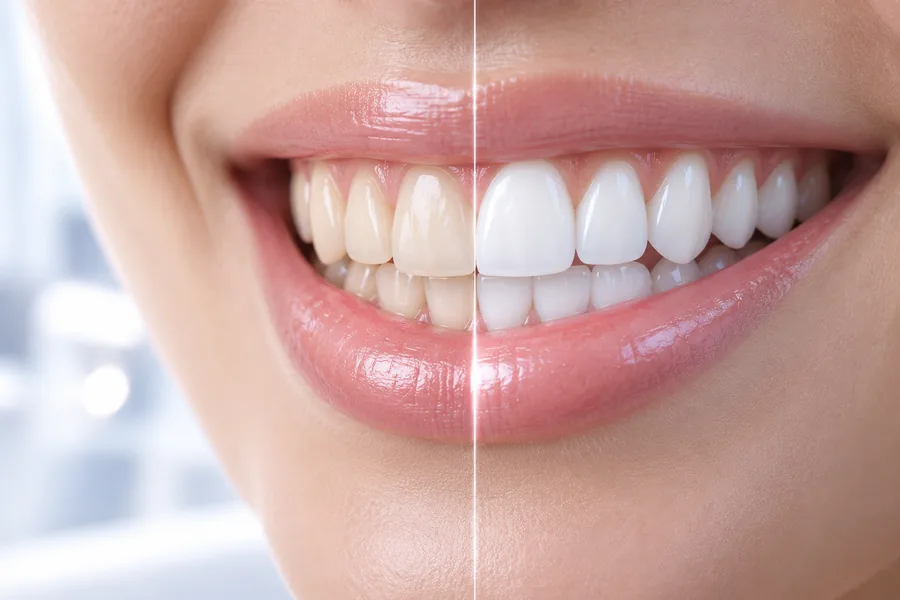
Cosmetic
Whitening, veneers, bonding and smile makeovers to improve the colour and shape of your smile, led by our cosmetic dentist.
 learn more
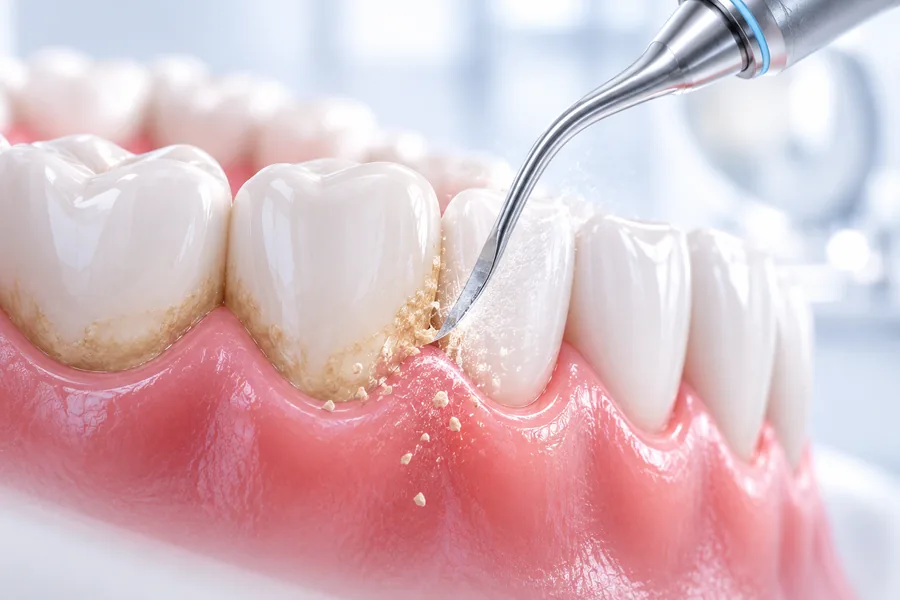
Gums & Cleaning
Cleaning, gum treatment and laser care for bleeding gums and bad breath, from our periodontist.
 learn more
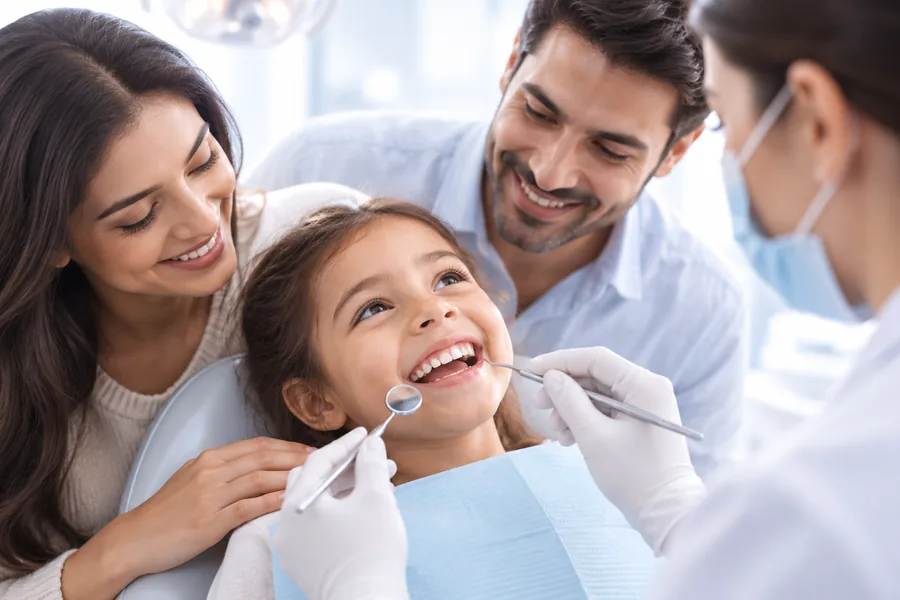
Kids & Family
Gentle check-ups, fluoride and sealants for children with our pedodontist, and routine check-ups for the whole family.






Verified Google Reviews
Excellent
Based on 238 reviews
Harsha Vardhini
2026 · Google
I highly recommend Dr. Roja! She is incredibly kind, patient, and caring. I’ve had a root canal and multiple fillings done by her, and every procedure was completely painless. She explains everything clearly, makes you feel comfortable, and ensures you’re at ease throughout the treatment. Her gentle approach and professionalism make every visit a great experience. If you’re looking for a skilled dentist who truly cares about her patients, Dr. Roja is an excellent choice!
akk reddy
2026 · Google
I had a great experience with Dr. Roja madam. She is a very good doctor and extremely patient-friendly. I was suffering from a tooth cavity, and she suggested a root canal treatment. After starting the treatment, my tooth pain completely disappeared. The cap fitting was also very comfortable and flexible. Overall, I am very satisfied with the treatment and care provided. Thank you so much
Mamidisetti Siva
2026 · Google
I had a very good experience at this dental clinic. The treatment was excellent, and the staff were very friendly and supportive. Even after the treatment, they took great care by calling me, checking on my recovery, and asking me to come for follow-up visits. I really appreciate their concern and professionalism. Highly recommended.
BHARATH GUNDEBOINA
2026 · Google
Had a great experience with teeth replacement treatment. Dr. Roja mom explained everything clearly and the procedure was smooth and painless. The results look very natural and I’m extremely happy with my new smile. Highly recommended..thank you….
venkannababuk venki
2026 · Google
Madam provides very good dental treatment. She explains everything clearly and patiently whenever I have any doubts. I am very satisfied with the treatment and the way she cares for patients. Thank you, SR Dental.
Near you
Kids Check-up Near You in Gajularamaram
If you have been searching for a children's dentist near you, the thing worth asking when you ring is how long a child's appointment is given. A first visit that is booked into a ten-minute gap between adults is a first visit that will be rushed, and being rushed is what a child remembers.
It is also worth booking before anything is wrong. Almost every difficult appointment in children's dentistry is a first appointment that happened because something hurt — and almost every easy one belongs to a child who came in once when nothing did.
77020 95262Gajularamaram
Contact
Reach out to schedule your next dental visit
Whether you have a question, need expert advice, or are ready to book your next appointment, our team is here to help.
Reach out to us on
- Phone Number 77020 95262
- Email address srdentalcare48@gmail.com
- Location Hospital Phase 2, Plot No:100/N, behind UMCC Road, Chandragiri Nagar, Ushodaya Colony, Indira Nagar, Gajularamaram, Hyderabad, Telangana, 500055
Working Hours
- Mon – Sun:
- 9:30 AM – 9:00 PM
FAQs
Frequently asked questions about kids check-up
Still have a dental question?
Send us a message and our dental team will help.
When should my child first see a dentist?
By their first birthday, or within six months of the first tooth appearing — whichever comes first. That sounds early and it is deliberately so, because the visit is not really about the teeth. It is about the child finding out that a dental surgery is an ordinary place, and about a parent getting advice on bottles, brushing and weaning while it can still prevent something rather than repair it.
Do baby teeth really need filling?
It depends on how long that tooth still has to do its job. A back baby tooth may not be replaced until eleven or twelve, so a cavity at six has years to get worse, and leaving it risks pain, infection and the space closing up. A front tooth already loose and due out shortly is a different judgement. The right answer is specific to the tooth and the child's age, and you should expect it to be explained in those terms rather than as a blanket rule.
My child is terrified of dentists. What can be done?
The first thing is to say so when booking, so the appointment is arranged for it rather than discovered halfway through. Beyond that it is time and order: nothing appears in the mouth that has not been shown first, sessions are short, and nothing is forced. Some children need two or three visits before anything is done, and those visits are not wasted — they are what makes the treatment possible. Fear that is worked around rather than pushed through generally does not come back.
Should I tell my child it will not hurt?
No — and this is the most common way a visit is made harder before it starts. A child who was not thinking about pain is thinking about it now, and the idea came from the person they trust most. Say they are going to have their teeth counted and sit in a chair that goes up and down. Avoid needle, drill and pull altogether, including in stories about your own dentistry, and skip the reward for being brave, because bravery implies something to fear.
How much toothpaste should they use, and which one?
A smear for children under three and a pea-sized amount after that, using a family fluoride toothpaste rather than a low-fluoride novelty one unless you have been advised otherwise. Brush twice a day, and have them spit rather than rinse — rinsing washes away the fluoride that was the entire point. Brush for them, or at least after them, until they are around seven.
Are dental X-rays safe for children?
Yes, and they are taken only when there is a reason — usually to see between back teeth that are touching, where decay cannot be seen by looking. A modern digital dental X-ray is a very small dose, comparable to a day or two of ordinary background radiation, and the reason to take one is that finding decay between teeth early is the difference between a small filling and a much larger problem.